01 / PRACTICAL TIPStart your photo record from a safe doorway
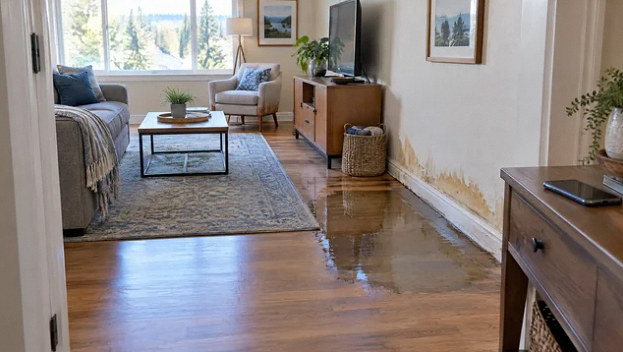
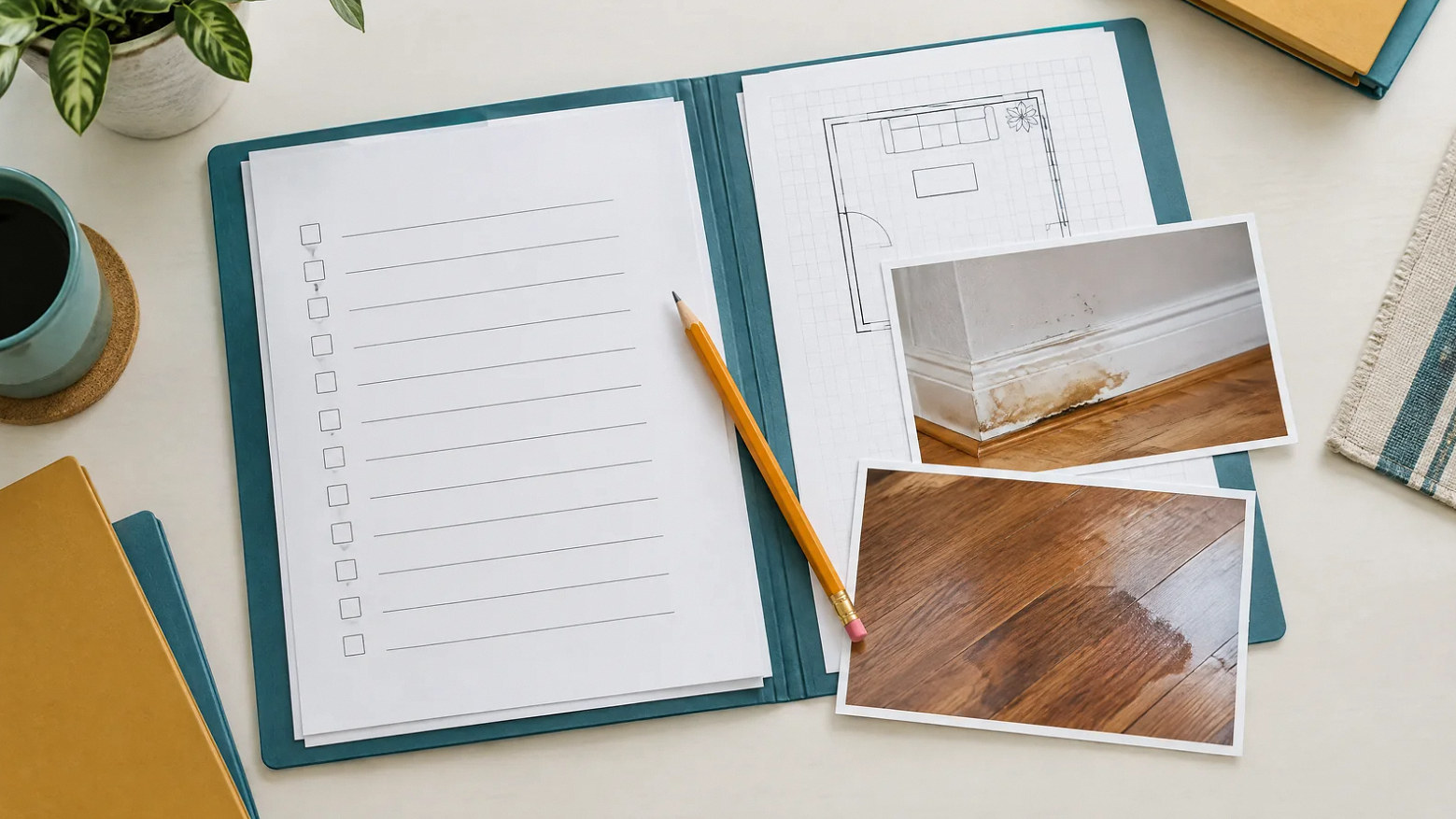
Take a wide photograph before close-ups, and label each group with the room and discovery time. Stay out of water near electrical equipment and away from unstable ceilings. If an area cannot be reached safely, mark it as uninspected and ask the responding team to document it.
Read the full explanation02 / PRACTICAL TIPKeep the source repair in the project record
Write down where the water appeared, who investigated the cause, and what was repaired. Ask what remains unresolved before finishes are replaced. A plumbing repair and a drying assessment answer different questions: stopping new water does not establish the condition of materials that are already wet.
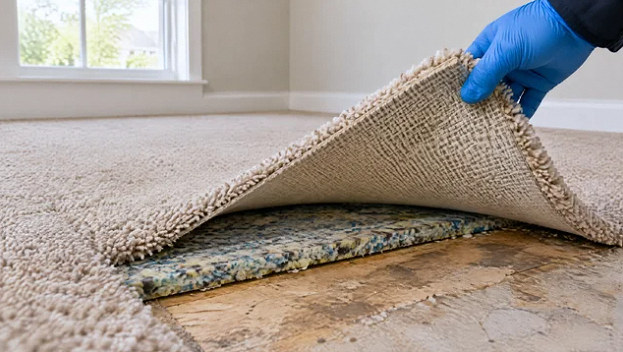
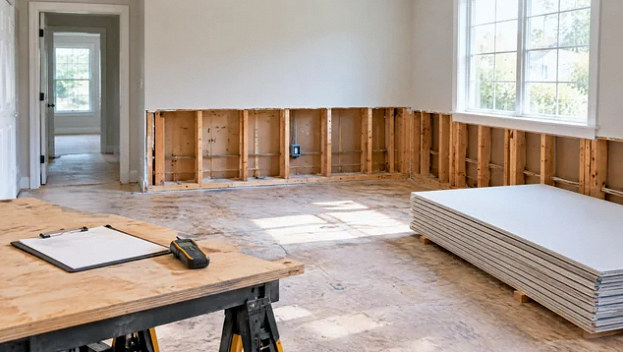
Read the full explanation03 / PRACTICAL TIPAsk what was checked beneath the surface
When a floor looks dry, ask which layers were evaluated beneath it. Record whether the assessment included the subfloor, adjacent wall bases, or cabinet areas affected by the water. Leave lifting, drilling, and removal to the responsible professionals; a visible finish alone cannot answer every question about the assembly.
Read the full explanation04 / PRACTICAL TIPGet clear instructions for windows and temperature
Ask the team to write down the intended window, door, HVAC, and thermostat settings for your current drying plan. Tell them if those conditions make the home difficult to use. Agree on an adjustment and record it, so the next monitoring visit can account for what actually happened.
Read the full explanation05 / PRACTICAL TIPRecord an interruption instead of guessing its effect
If a machine stops, alarms, or leaks, follow the response instructions provided for that equipment and contact the team. Record the approximate time and unit location. Do not reset electrical protection or rearrange machines to troubleshoot. The technician needs the interruption history when interpreting the next set of readings.
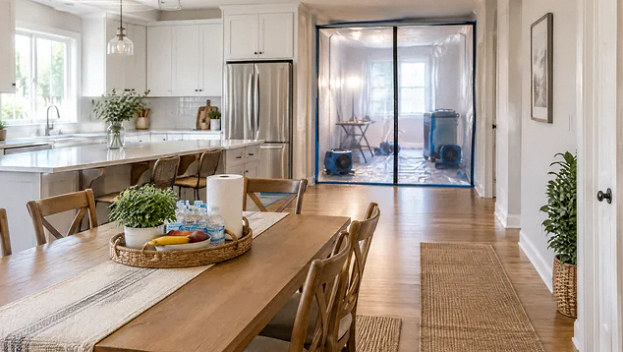
Read the full explanation06 / PRACTICAL TIPAsk what each machine is doing
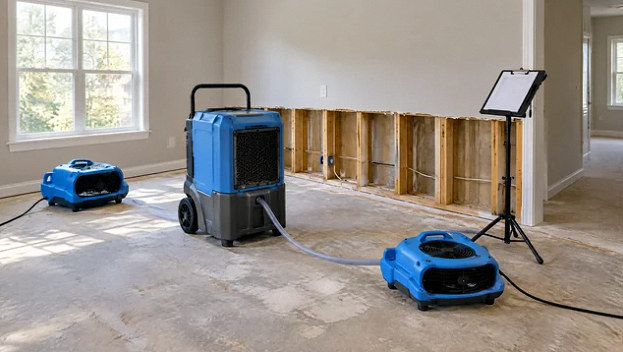
Ask the technician to identify each machine, explain its purpose, and show which openings, hoses, and access paths must remain clear. Include the alarm and shutdown instructions in your household notes. Before adding a household fan, have the team assess contamination; airflow can spread mold from an affected area.
Read the full explanation07 / PRACTICAL TIPResolve the moisture question before repainting
Put paint, trim, and finish choices on the repair list while the affected material is assessed. Ask what evidence supports covering it and whether cleanup or substrate repairs remain. A stain can be a useful location marker for the team; hiding it does not resolve the original moisture problem.
Read the full explanation08 / PRACTICAL TIPDescribe an odor without diagnosing it
Note where an odor is strongest, when you notice it, and whether it changes after rain, plumbing use, or equipment operation. Give that history to the team. Avoid covering it with fragrance before the visit. An odor deserves investigation, but its presence or absence cannot by itself establish the condition of hidden materials.
Read the full explanation09 / PRACTICAL TIPPlan an item's destination before moving it
Give affected belongings an inventory number and record where each item goes. Ask which items require professional handling before carrying them through unaffected rooms. Sewage or floodwater exposure changes the assessment. Keep photographs and disposal records, and raise questions about sentimental items early, while restoration options can still be discussed.
Read the full explanation10 / PRACTICAL TIPKeep the material and the meter scale with the number
When the technician shares a reading, record the material, location, date, and instrument scale beside it. Keep room humidity in a separate field. Ask how the result compares with the stated drying goal. A number without its measurement context is difficult to interpret and may not be a moisture percentage.
Read the full explanation11 / PRACTICAL TIPDiscuss sleep and access before the next night
Tell the team when heat, noise, work barriers, or loss of essential facilities makes staying home difficult. Ask for an occupancy discussion and an agreed equipment plan. If temporary lodging is being considered, ask the insurer about requirements and keep receipts; reimbursement depends on the policy and circumstances.
Read the full explanation12 / PRACTICAL TIPKeep each estimate version and its reason for changing
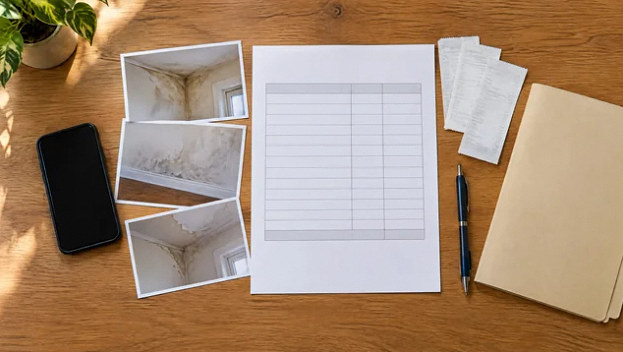
Save the original estimate and each revision with a date. Ask which newly observed condition or requested change explains the difference, and who must authorize it. Keep emergency work, drying, contents, and rebuilding identifiable in your records. A contractor's proposed scope and an insurer's coverage decision serve different purposes.
Read the full explanation