
AV systems · Stage power
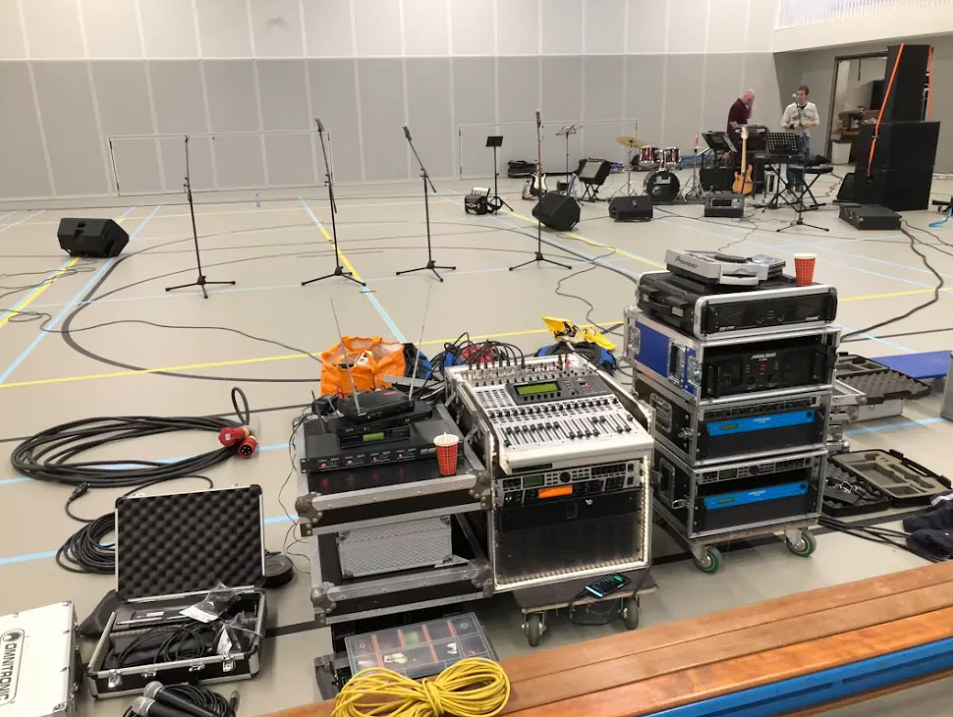
Stage power starts with the complete equipment load.
Coordinate power for sound, video, lighting and production equipment with the venue's existing distribution and the intended events.
Planning the system
A connector count does not establish available power.
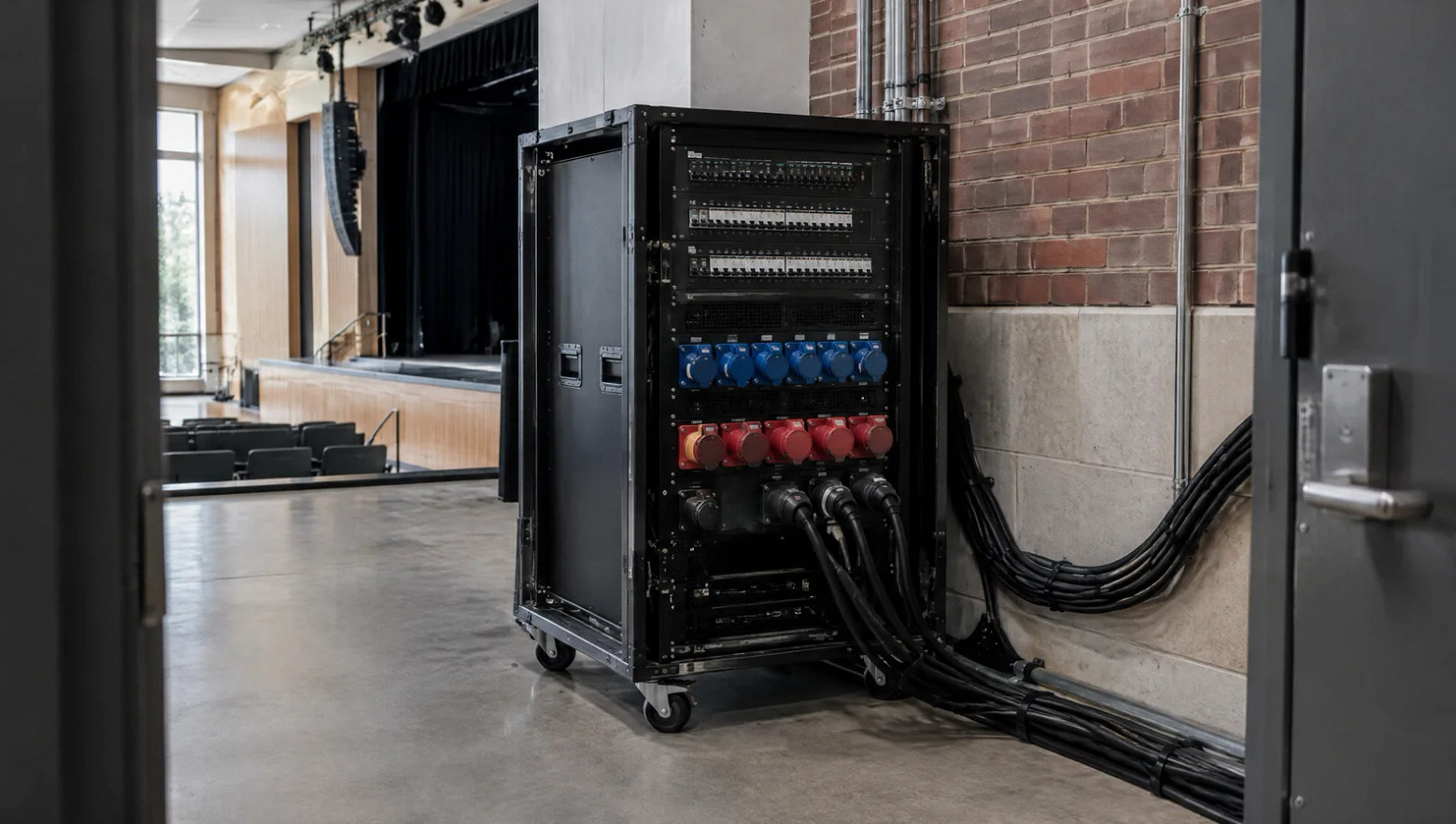
Stage power installation starts with equipment ratings, expected use and the existing supply. Amplifiers, video equipment and lighting need coordinated circuit and distribution planning before installation or an event depends on the connection points.
For an existing venue, identify the service and panel information, documented circuits and the equipment that must stay operational. The scope should distinguish permanent building work from temporary production distribution.
Connection, energization and testing responsibilities belong with qualified personnel and the approved project arrangements.
Project concepts
See the possibilities for your space
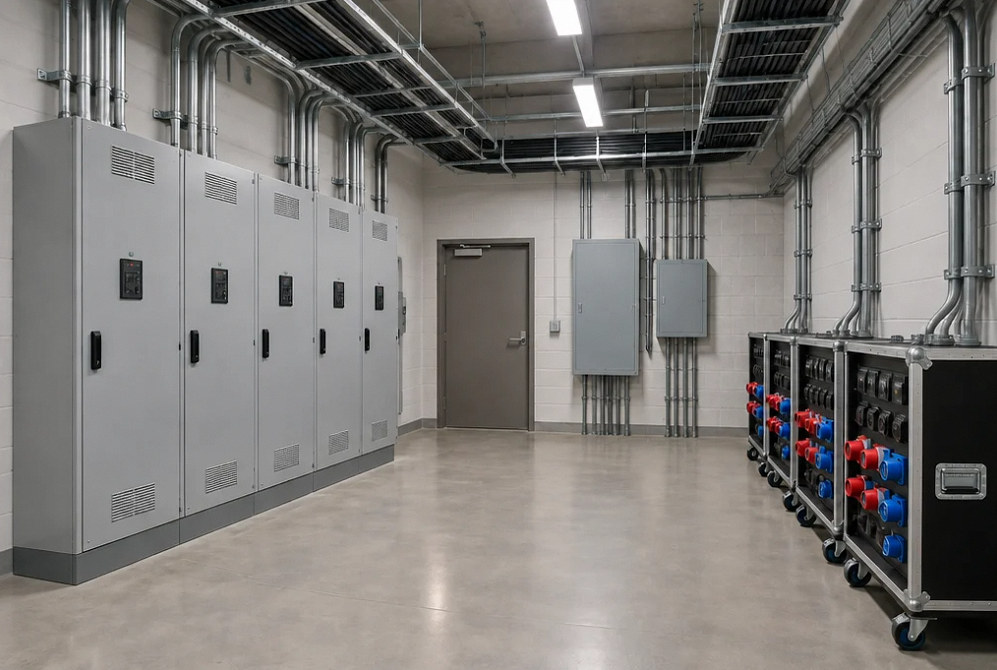
Drag the divider to compare before and after, or open a comparison for a closer look.
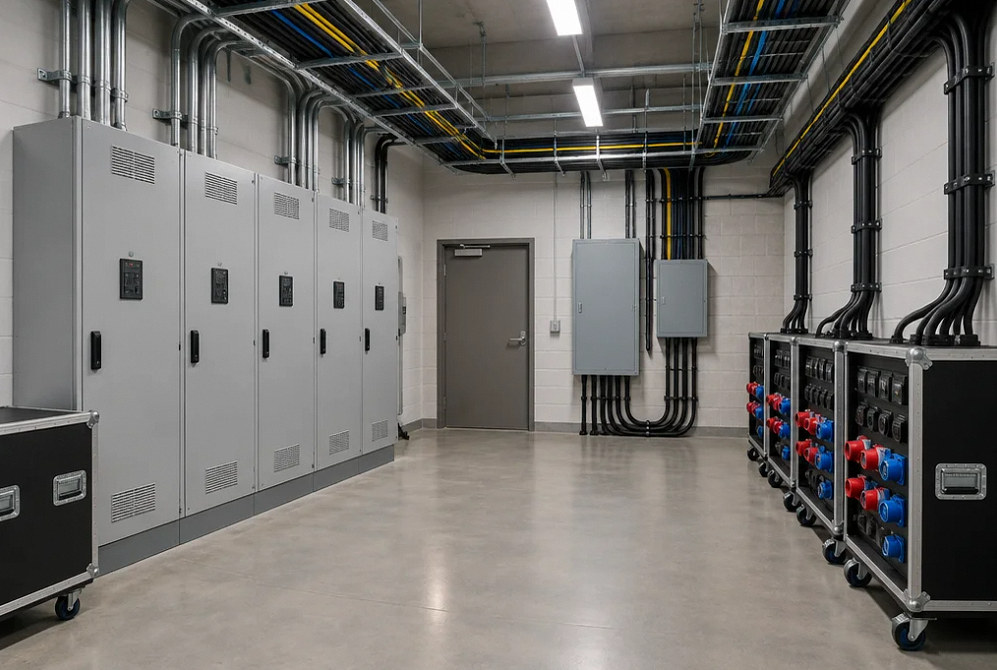
Drag to compare
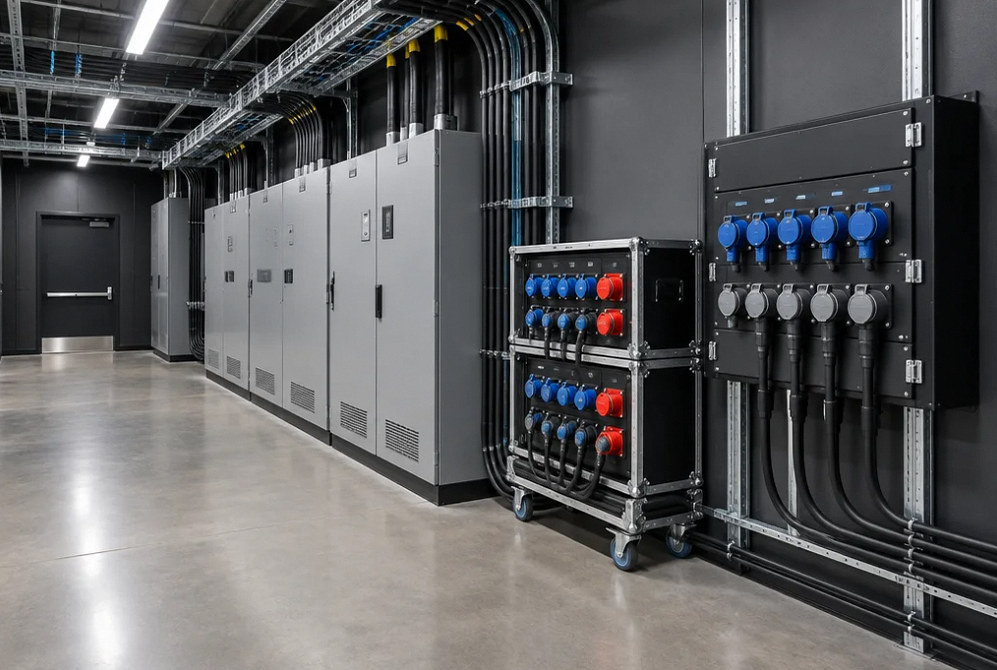
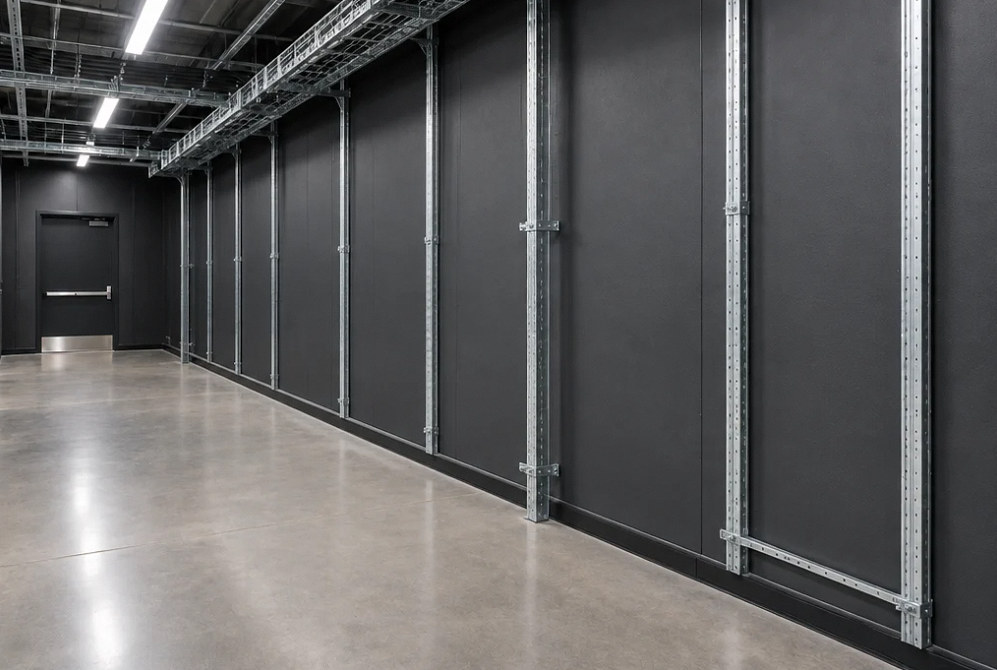
Drag to compare
Scope of work
Coordinate the supply and the production system.
Equipment-load review
Collect the proposed audio, lighting and video equipment schedules and identify changes from the venue's current use.
Existing distribution
Review service, panel and circuit information to determine what needs further assessment before new loads are connected.
Connection locations
Coordinate appropriate connection points and access with the stage, control booth and equipment-rack layouts.
Permanent vs. temporary work
Separate fixed building circuits from temporary production distribution, including responsibility for each connection and removal.
Trade coordination
Align power work with AV mounting, cable pathways and the construction or event sequence.
Inspection and handoff
Identify required permits and inspections, then document circuit assignments and operating boundaries for the venue team.
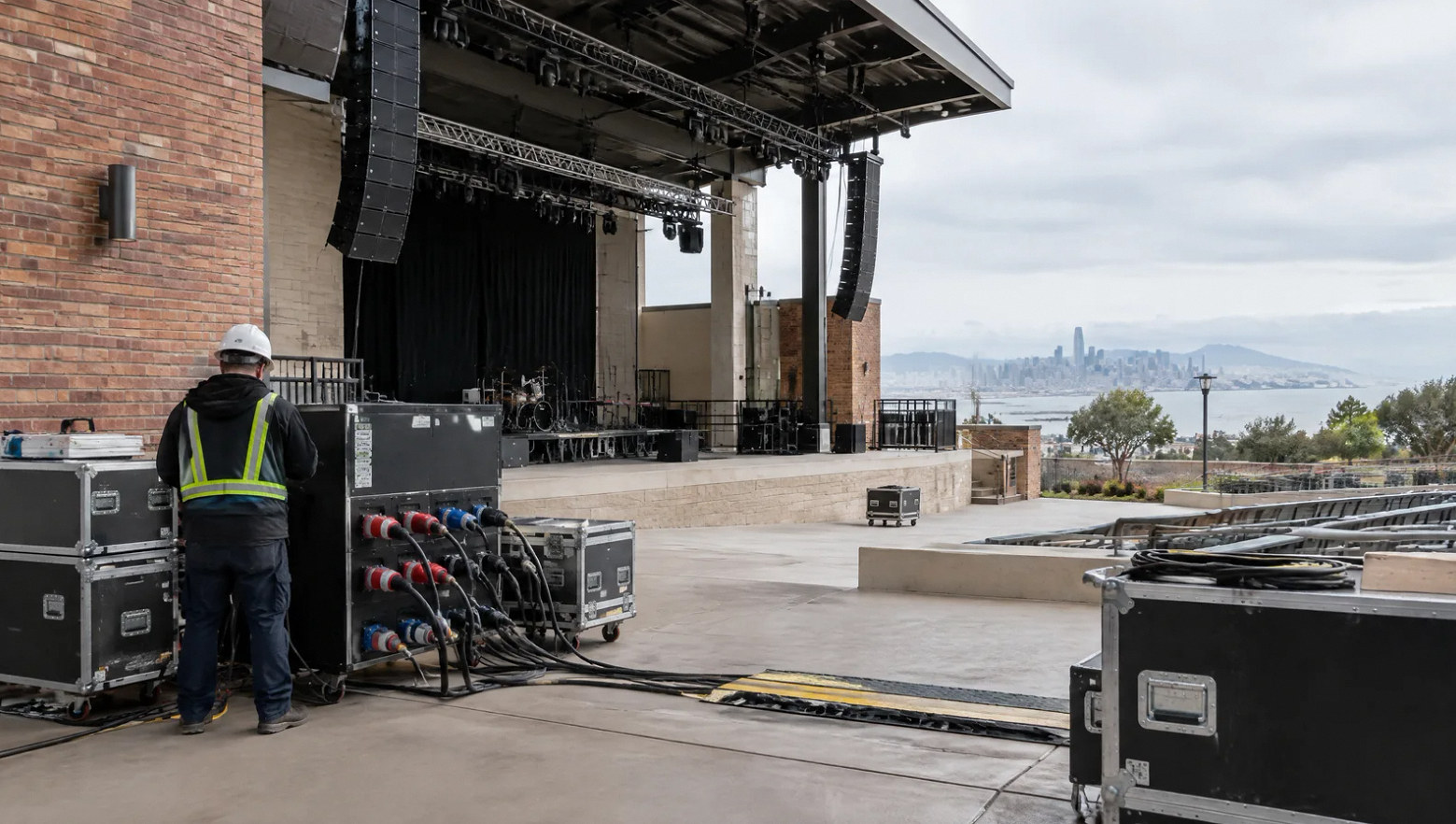
Keep production power understandable at the next event.
A useful venue record identifies the approved connection points and the equipment or areas they serve. Share that information with production teams before their equipment arrives.
Any change in the rig or operating requirements should be reviewed against the supply rather than assumed to fit the previous arrangement.
FAQ
Stage power planning questions.
Read the detailed guide: Outdoor Stage Power: A Permanent Feed Does Not Finish the Event Plan →
Plan your project
Share the venue information and the equipment schedule.
Tell us whether you are adding permanent circuits, changing the installed rig or coordinating production power for an event.
Equipment references
Power equipment to explore.
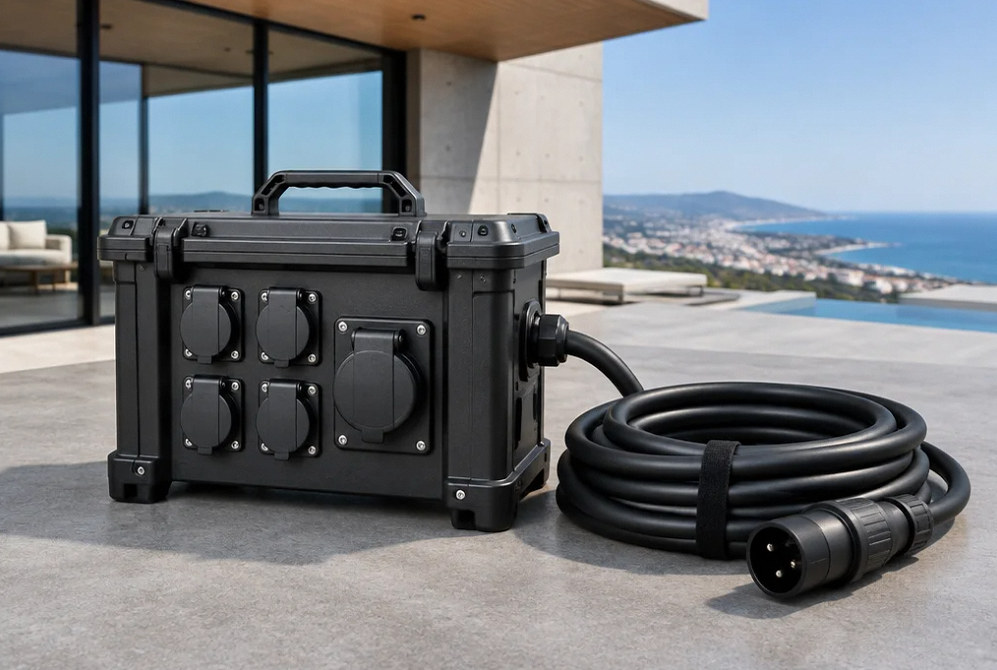
Manufacturer examples for project planning. Brand references do not indicate a dealer or certification relationship. Equipment compatibility and availability are confirmed during selection.
Contact Us
Request A Consultation
Local Services
We're in your city.
Choose your city and tell us what you need. We'll plan the project around your location.
Choose your city to include it with your project details.
Or call us to discuss your project:
(650) 550-0819Request received
Thank you. Your request has been received.
