
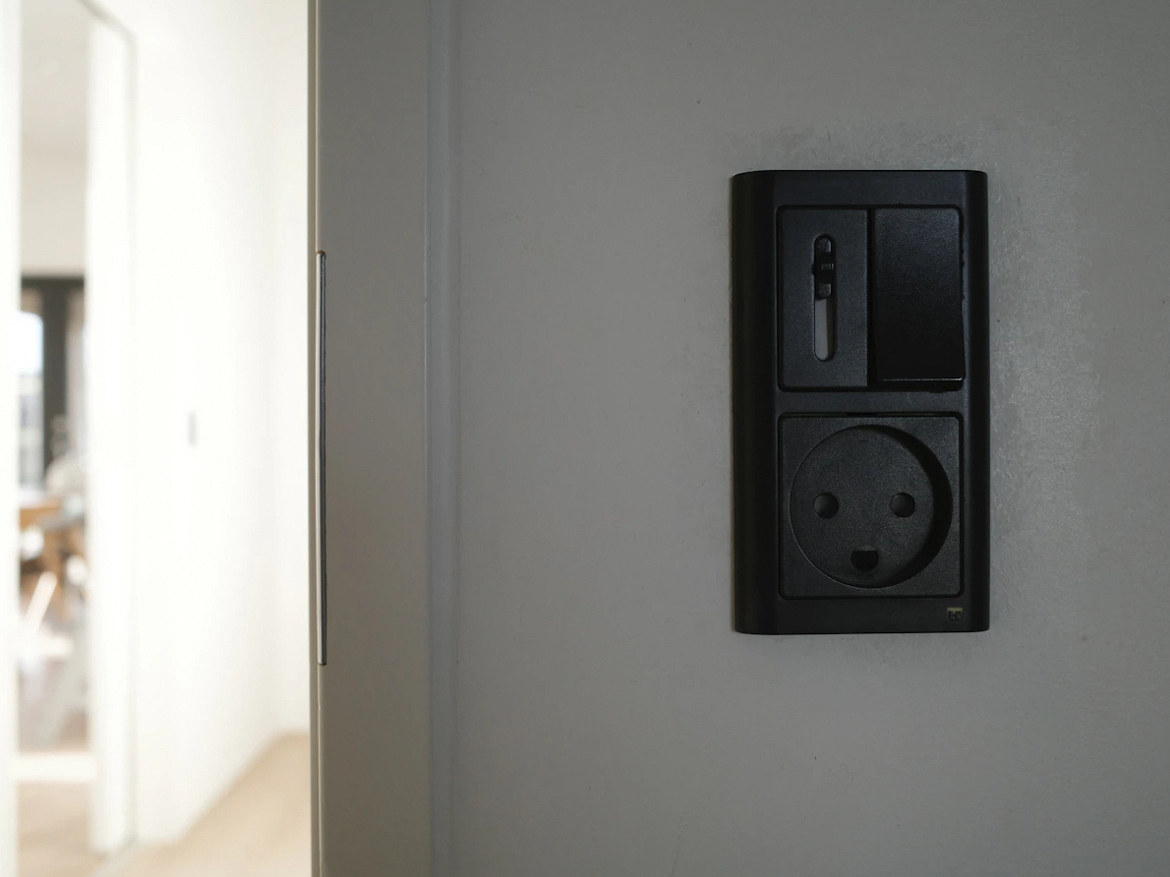
Outlets & Switches
From a Single USB Outlet to a 240V EV Circuit.
Code-current GFCI and AFCI everywhere we touch. Smart switches paired and tested before we leave. 240V circuits sized to your panel.
What & Why
Every touched circuit comes back to current code.
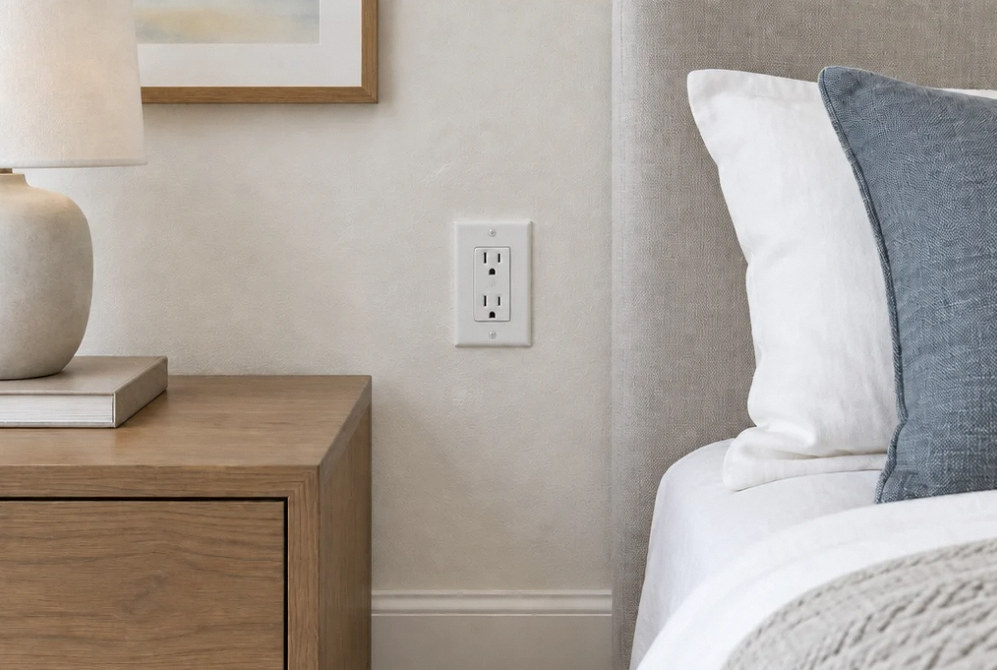
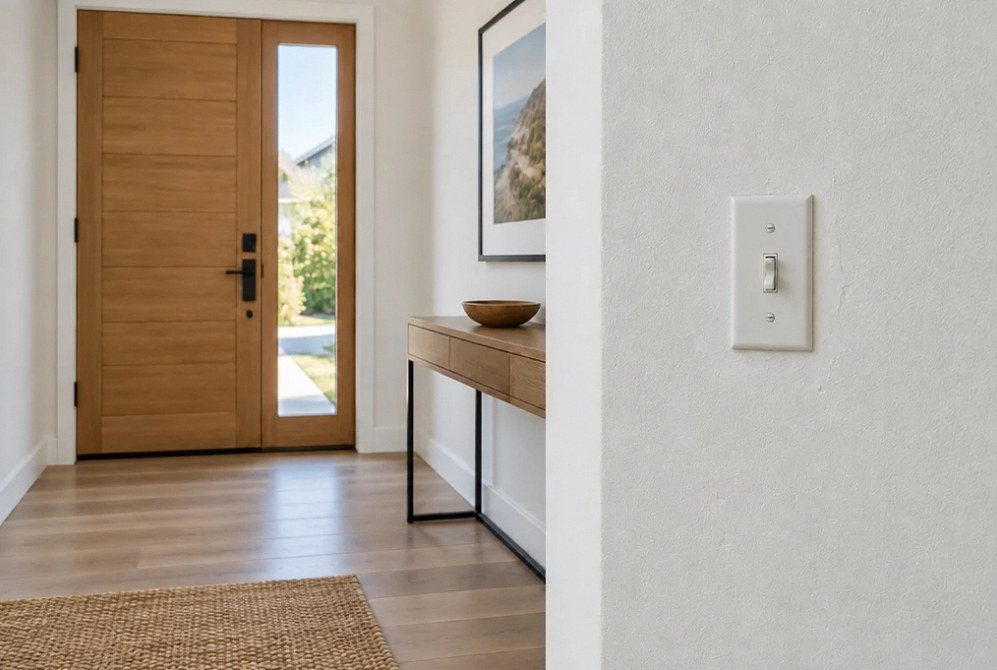
Adding a single outlet, swapping a buzzing switch, or running a new 240V circuit for an EV charger — when we touch it, we leave it code-current. That means GFCI on kitchens, baths, garages, and outdoors; AFCI on bedrooms; ground on every device.
Smart switches and dimmers paired to your hub. USB combos installed where you actually charge. 240V for the range, dryer, mini-split, or EV — sized from the panel down.
Typical Project Snapshot
Common ranges for Bay Area outlet and switch work. Exact numbers confirmed in your written quote.
Simple Swap
15–30 min per device
New Outlet (tap)
1–2 hours
New 20A Circuit
3–5 hours
240V Circuit
Half-day to full day
Code Coverage
GFCI + AFCI brought up to current code on every touched circuit
Project concepts
Explore the installation possibilities
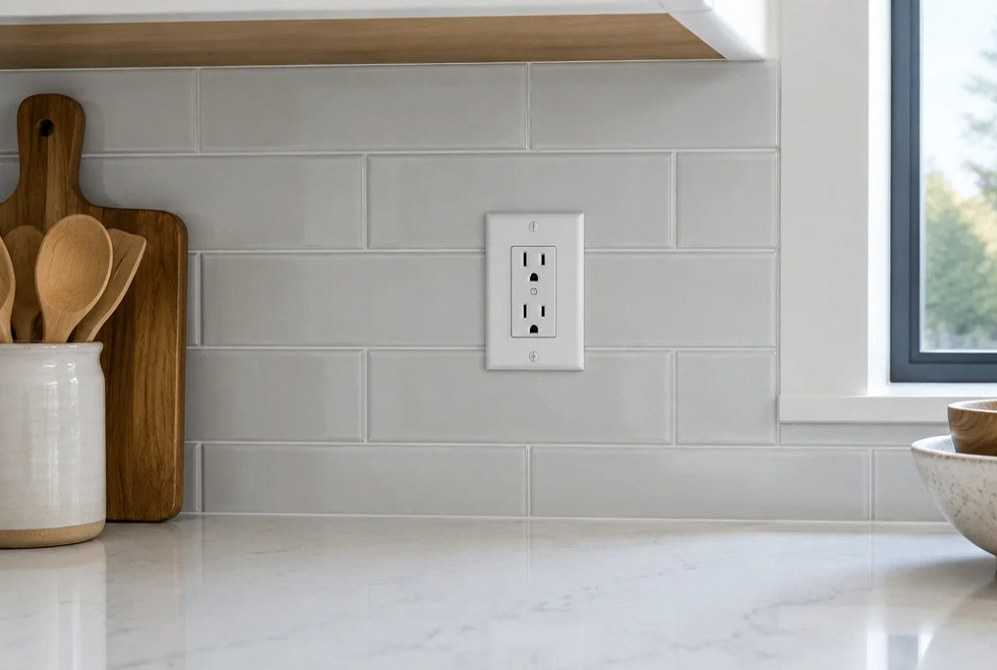
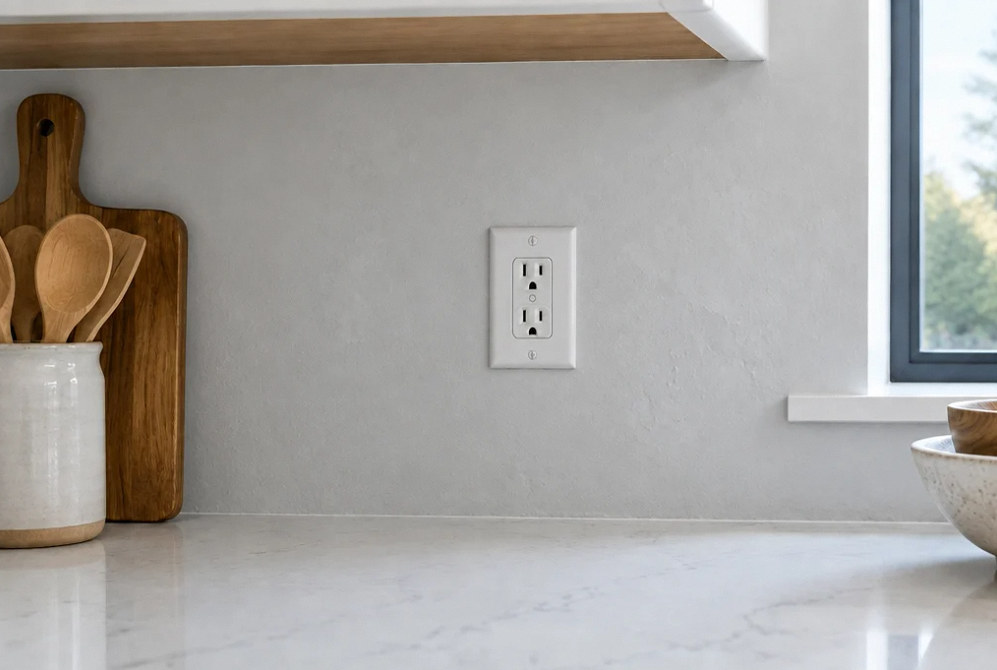
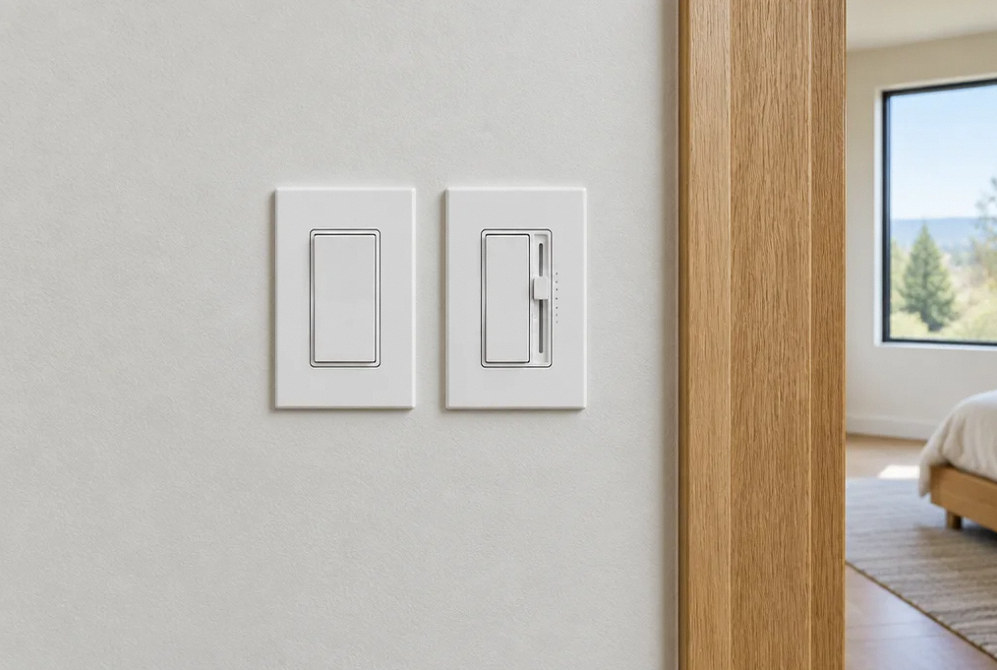
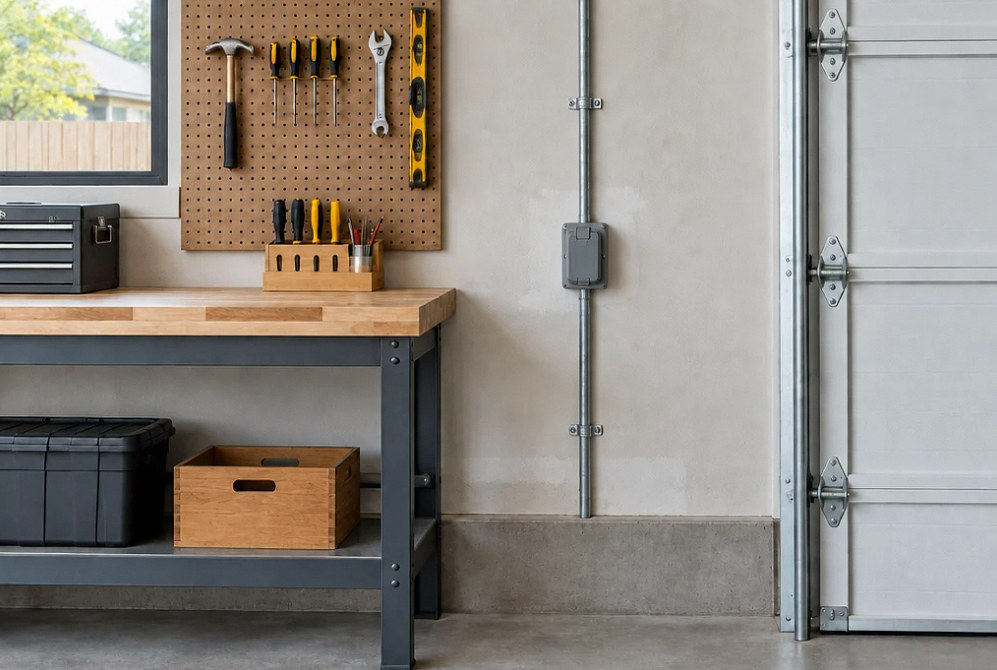
Drag the divider to compare before and after, or open a comparison for a closer look.
Drag to compare
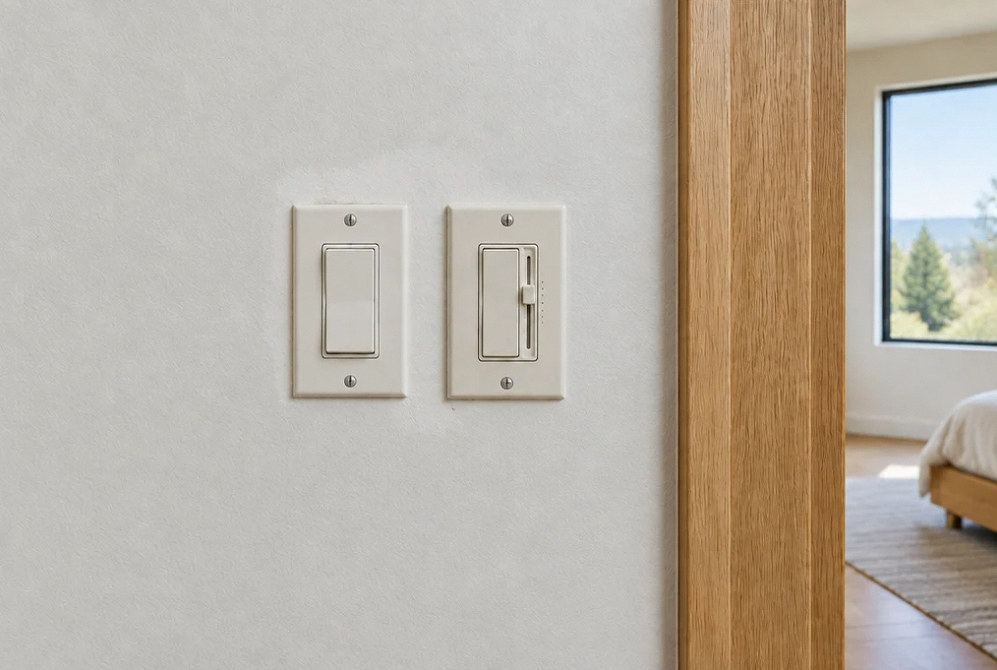
Drag to compare
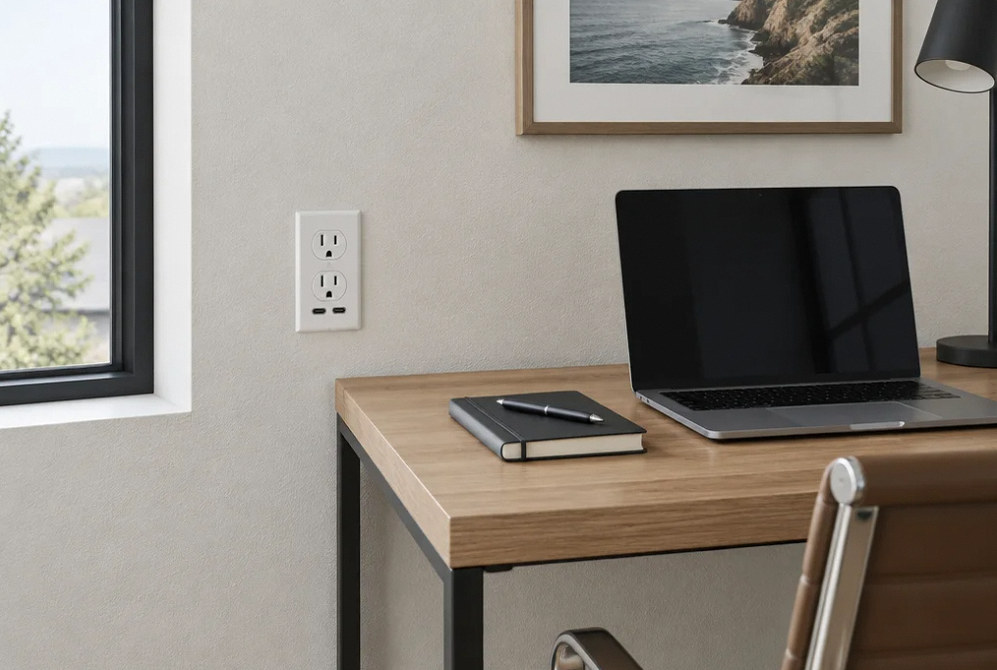
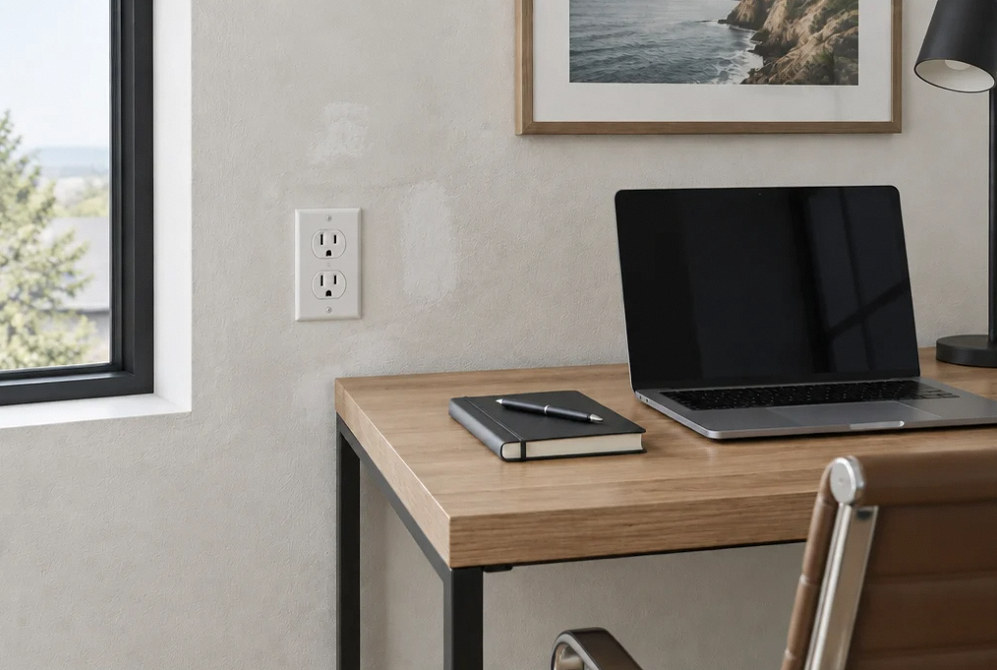
Drag to compare
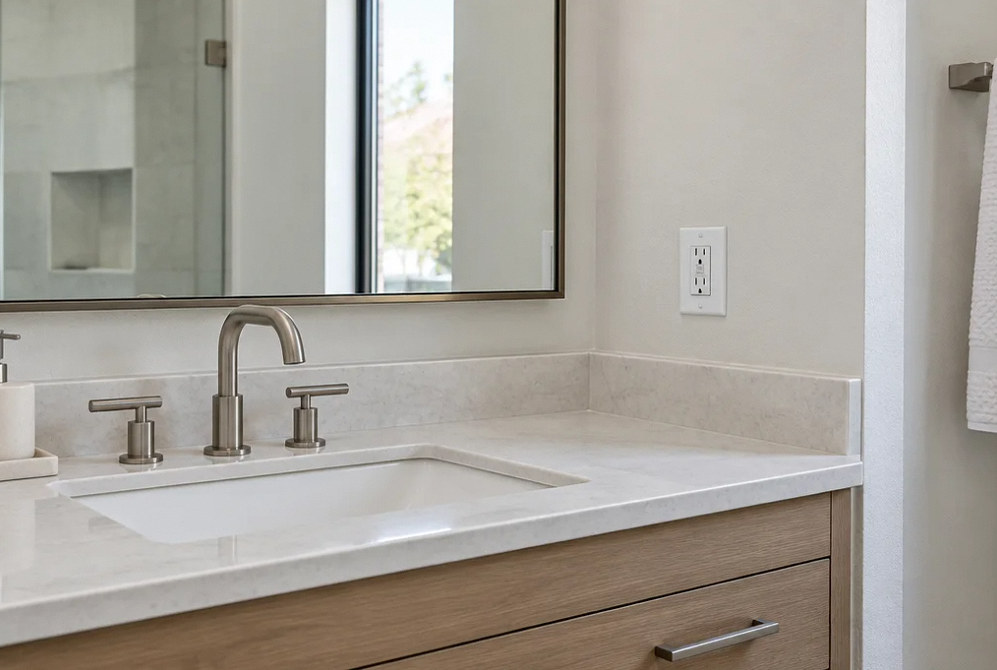
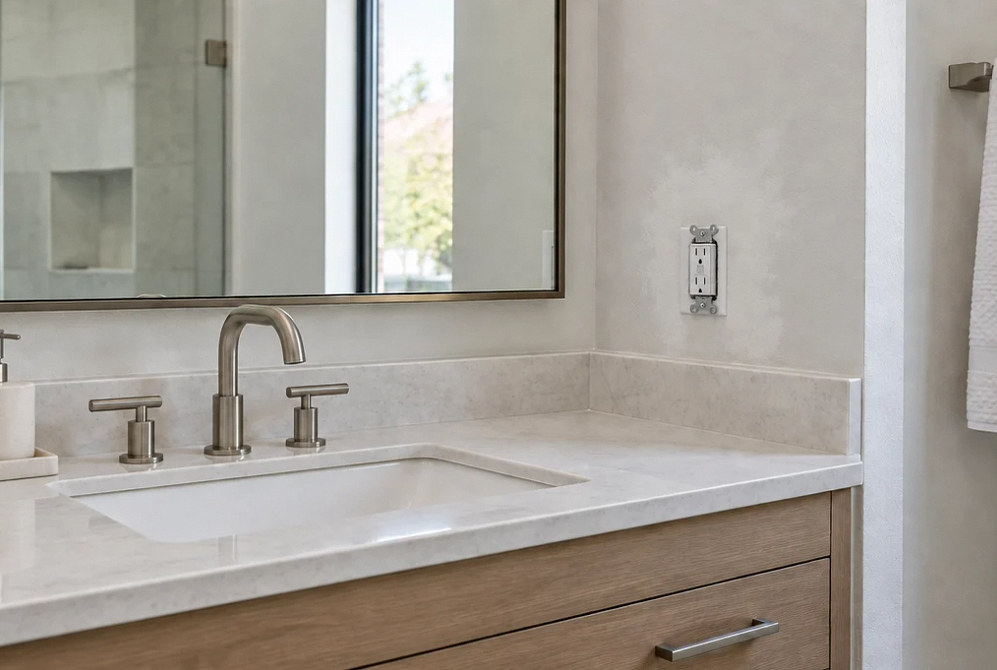
Drag to compare
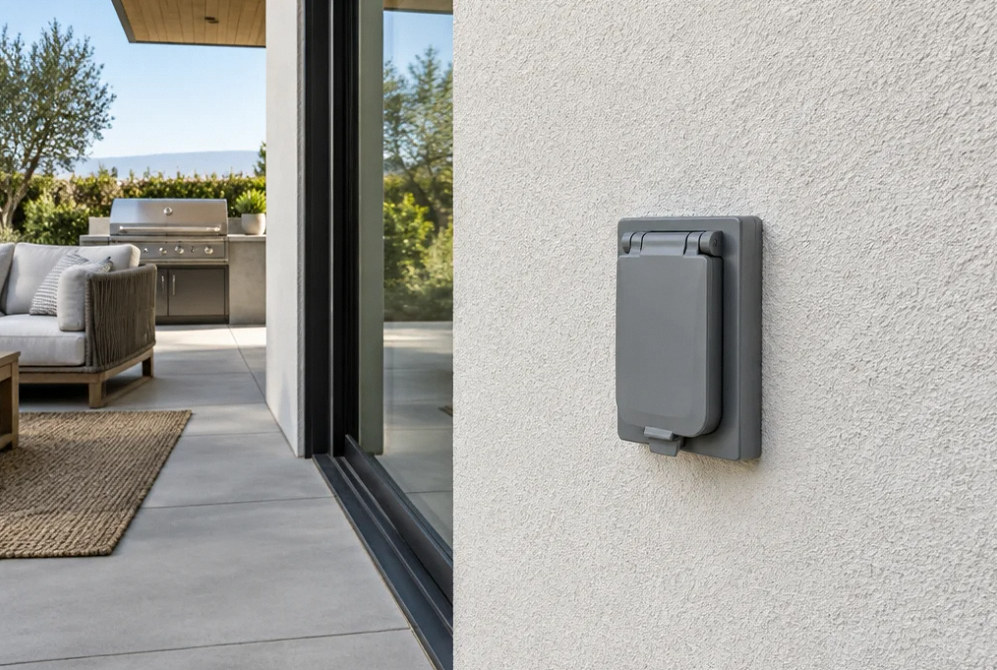
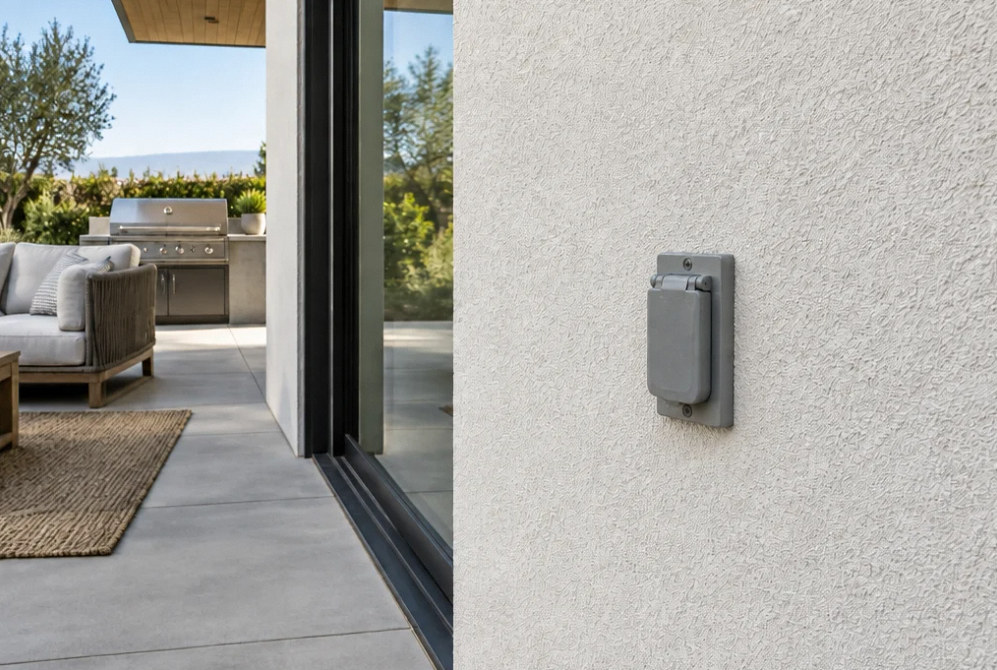
Drag to compare
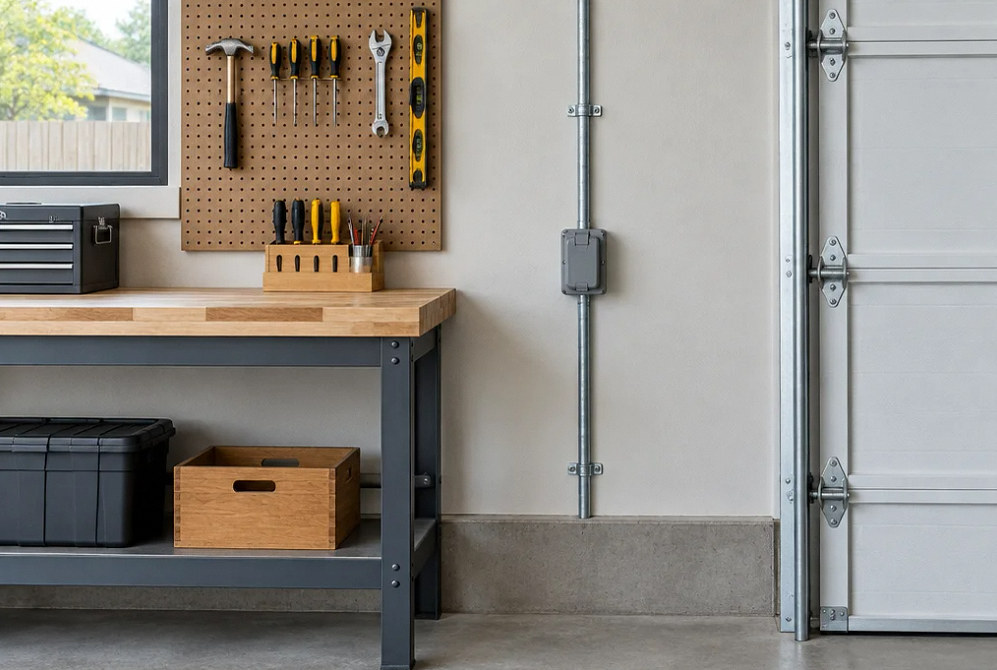
Drag to compare
What's Included
Six things, every job.
From a single new USB outlet to a full kitchen reset.
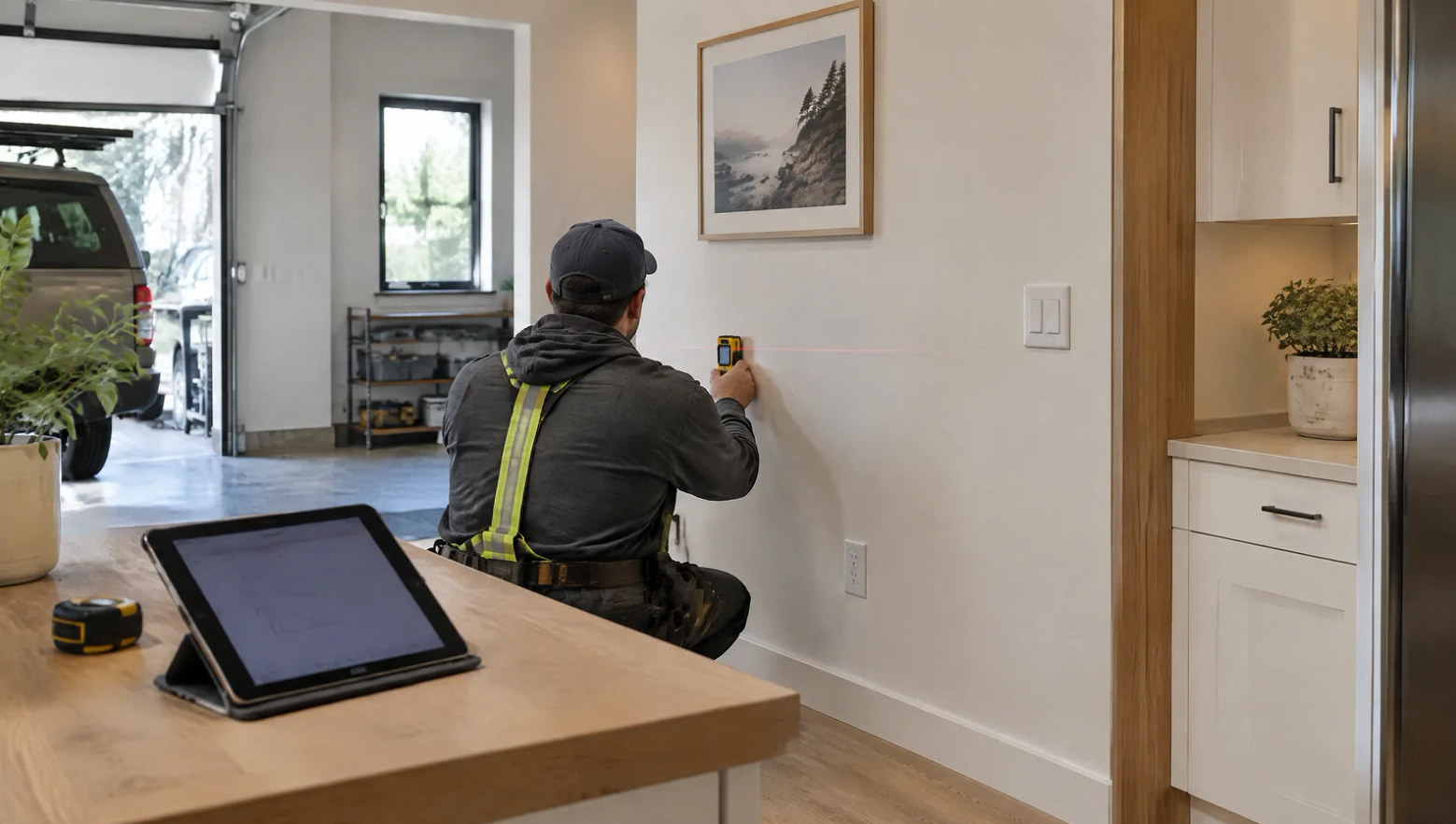
Site Walk & Load Check
Existing panel capacity reviewed, circuit map updated, GFCI/AFCI status of touched circuits checked.
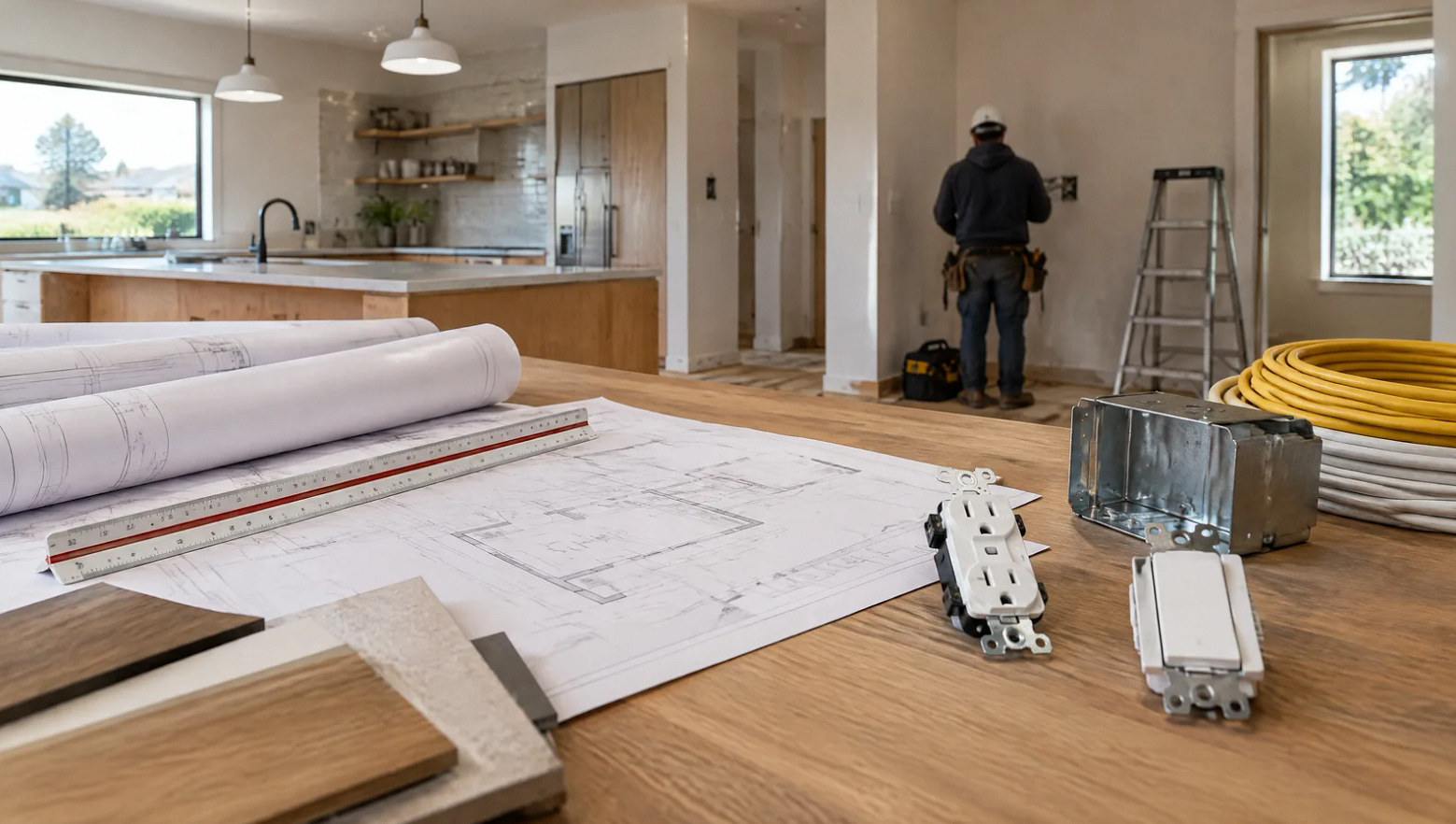
Wire & Box Sourcing
Copper THHN or Romex, correct gauge per circuit ampacity, fire-rated boxes, GFCI/AFCI breakers on-site before tear-in.
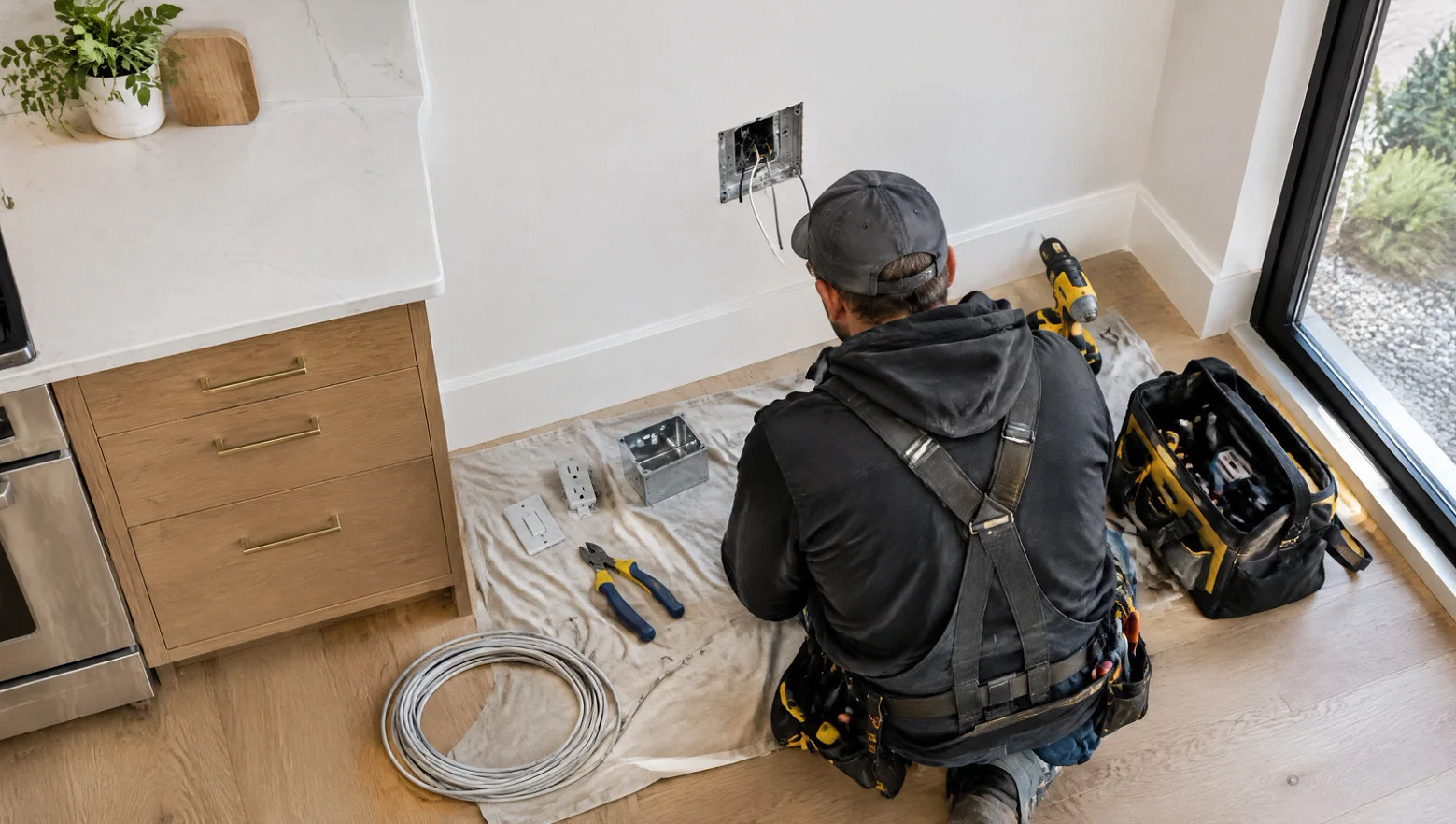
Tap, Cut & Pull
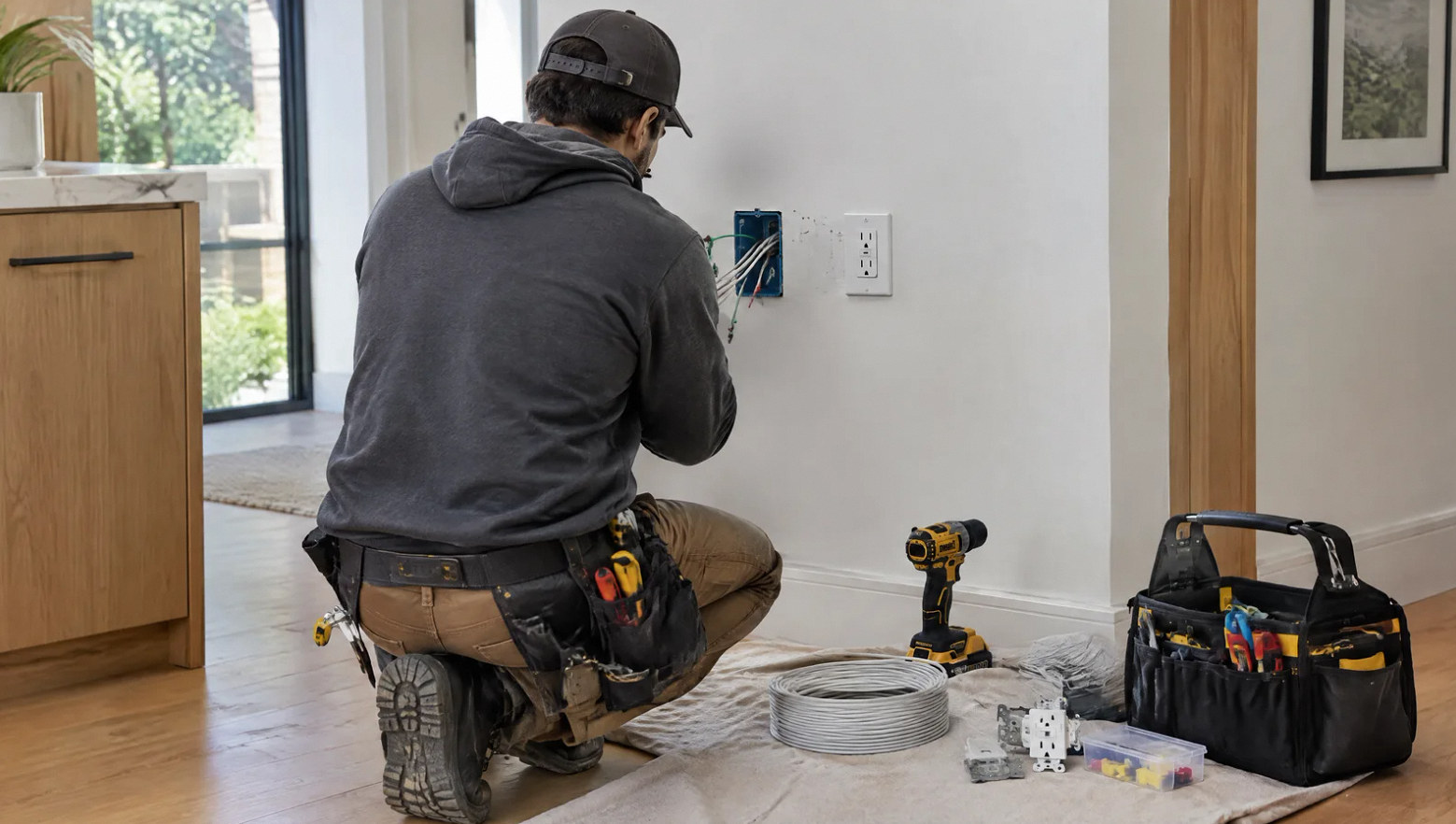
New outlet location cut, wire pulled through stud bays, drywall openings minimized. Existing finish protected with drop cloths.
Device Install
Receptacle, USB combo, dimmer, smart switch, or 240V outlet wired and torqued to spec. GFCI/AFCI added where code requires.
Test & Verify
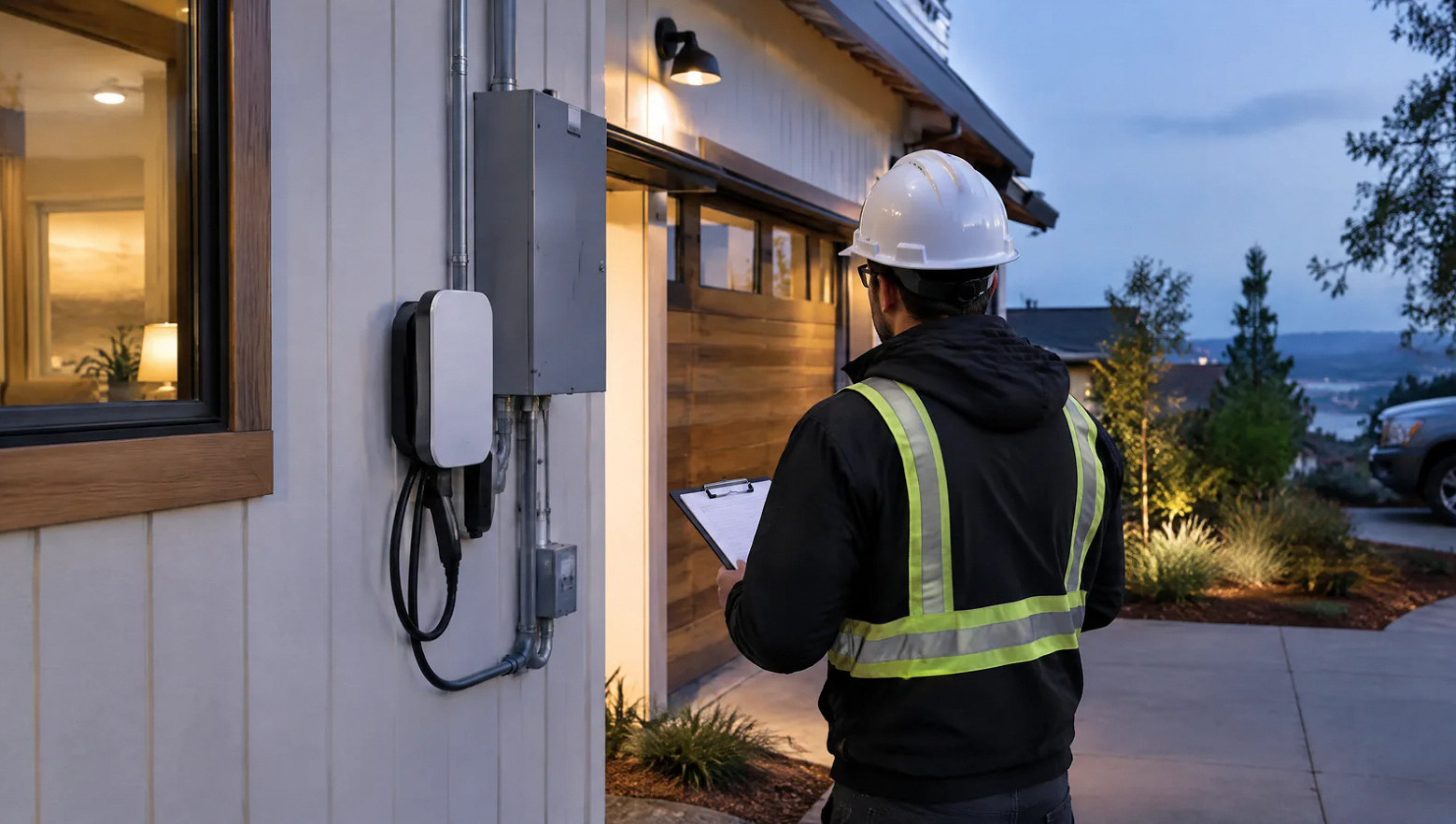
Polarity, ground, GFCI trip-test, AFCI trip-test, load test on 240V circuits. Smart devices paired to your hub.
Cleanup & Walkthrough
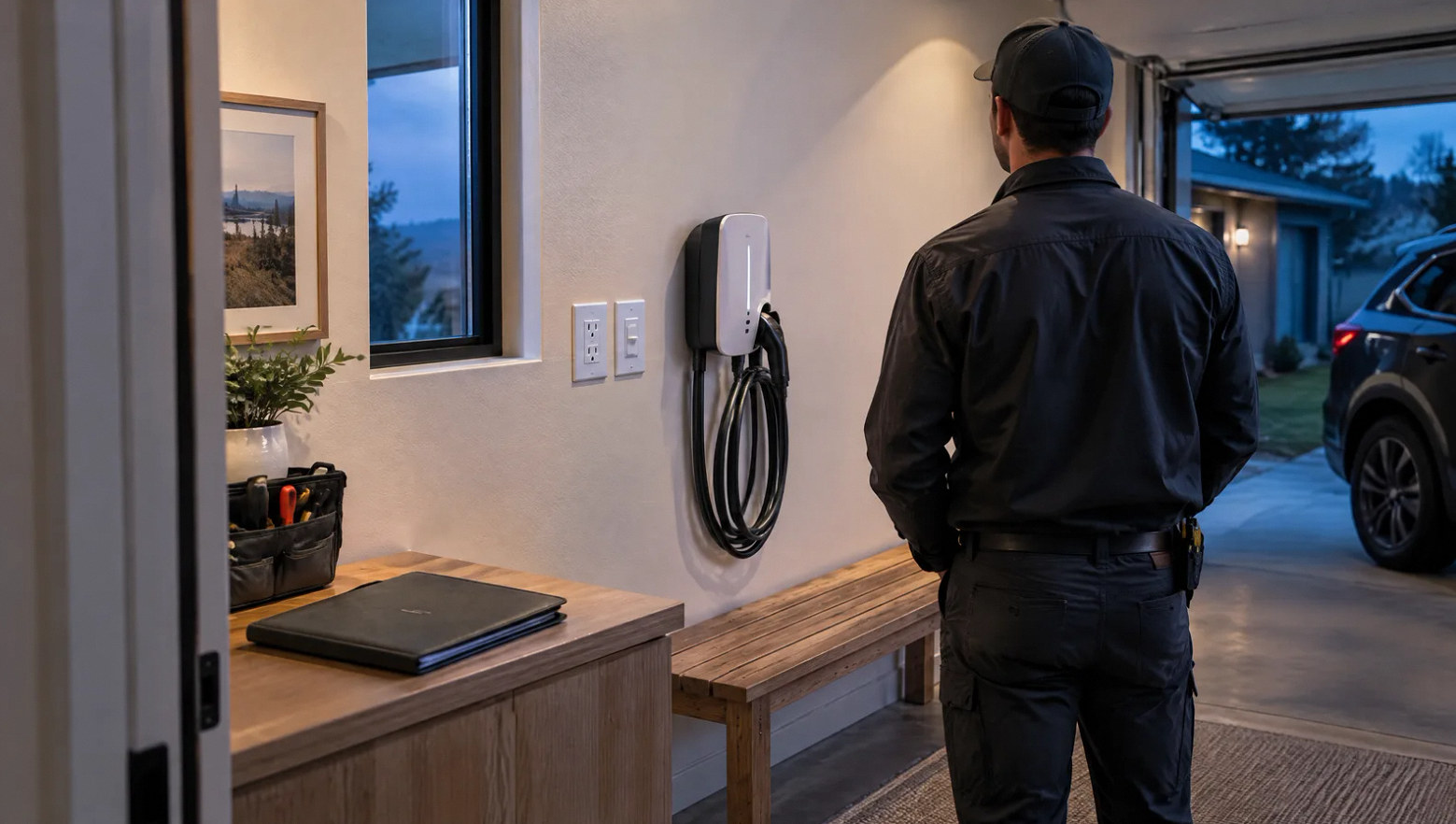
Drywall cuts patched (no finish paint), debris removed, devices labeled at the panel, and we walk you through the controls.
When You Need It
Six common reasons to call.
Two-Prong Outlets Still in Use
Ungrounded outlets cannot use surge protectors or GFCI safely. Upgrade closes a real safety gap.
Outlets Loose or Sparking
A loose receptacle is the most common residential fire-cause we encounter. Replace immediately.
Burnt or Discolored Faceplate
Brown rings or melted plastic mean arcing inside the wall. Stop using it and call.
Need a 240V Outlet
New range, EV charger, level-2 dryer, mini-split — all need a dedicated 240V circuit and outlet.
Smart-Home Integration
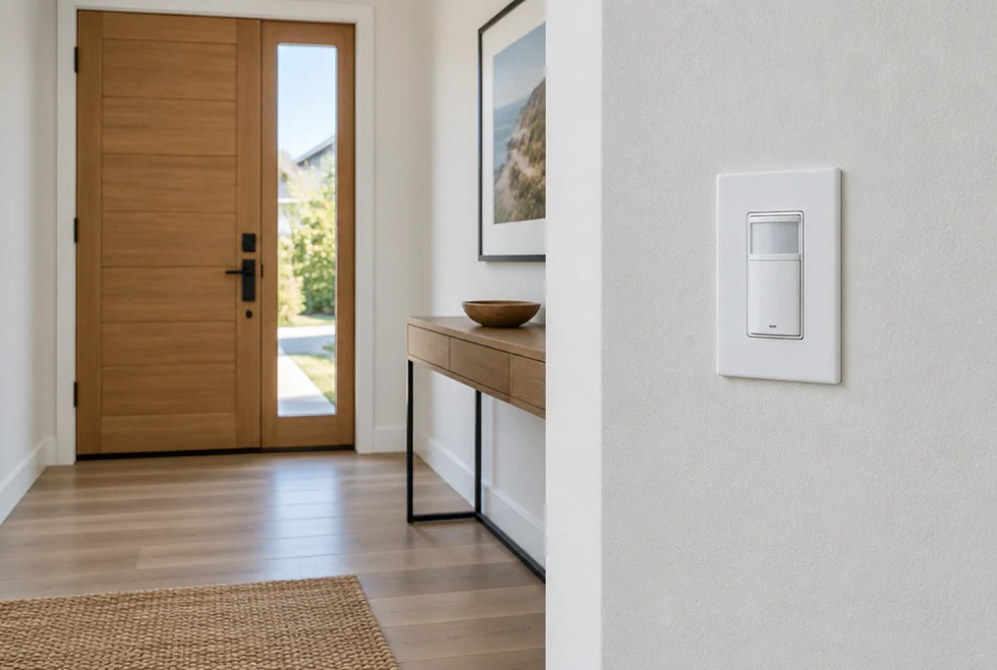
Lutron, Decora, occupancy sensors, motion floods — we wire and pair on the same visit.
Permit-Triggering Remodel
Kitchens, baths, and garages must meet current GFCI/AFCI code when permits are pulled.
Project concepts
Installation details
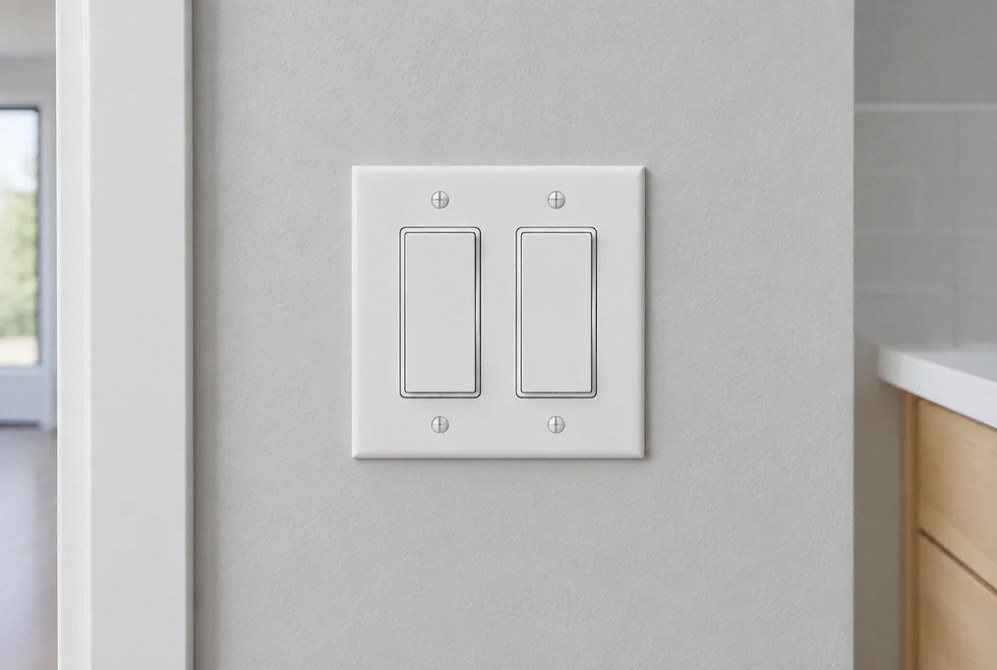
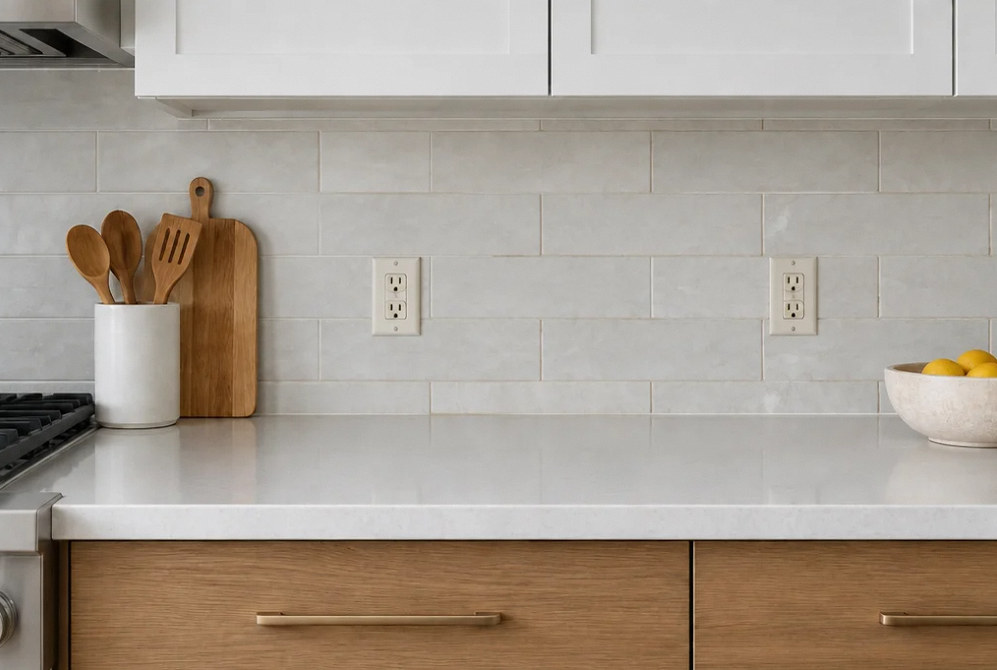
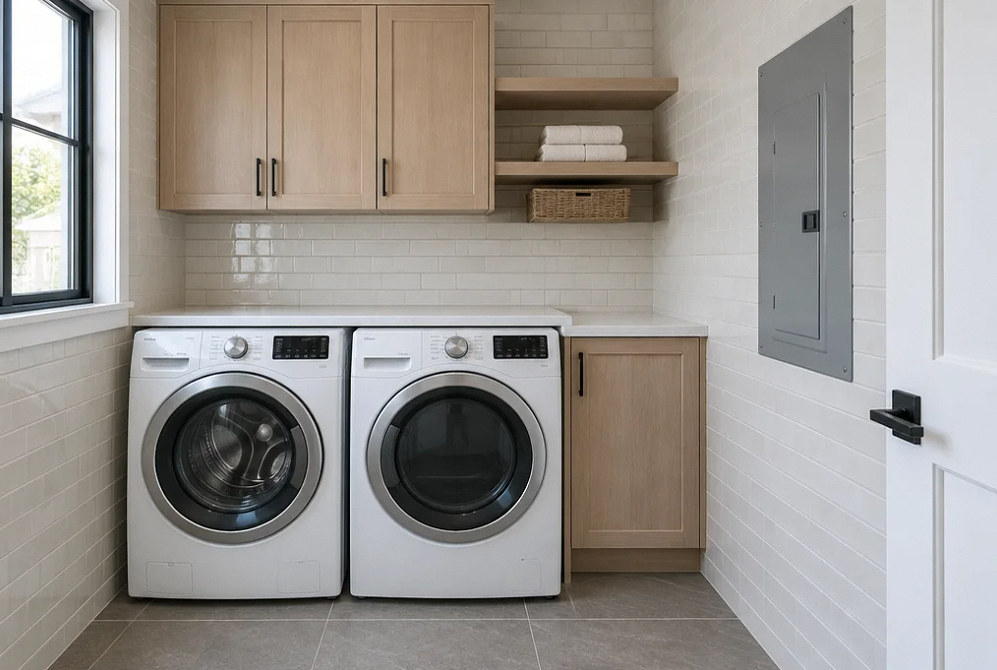
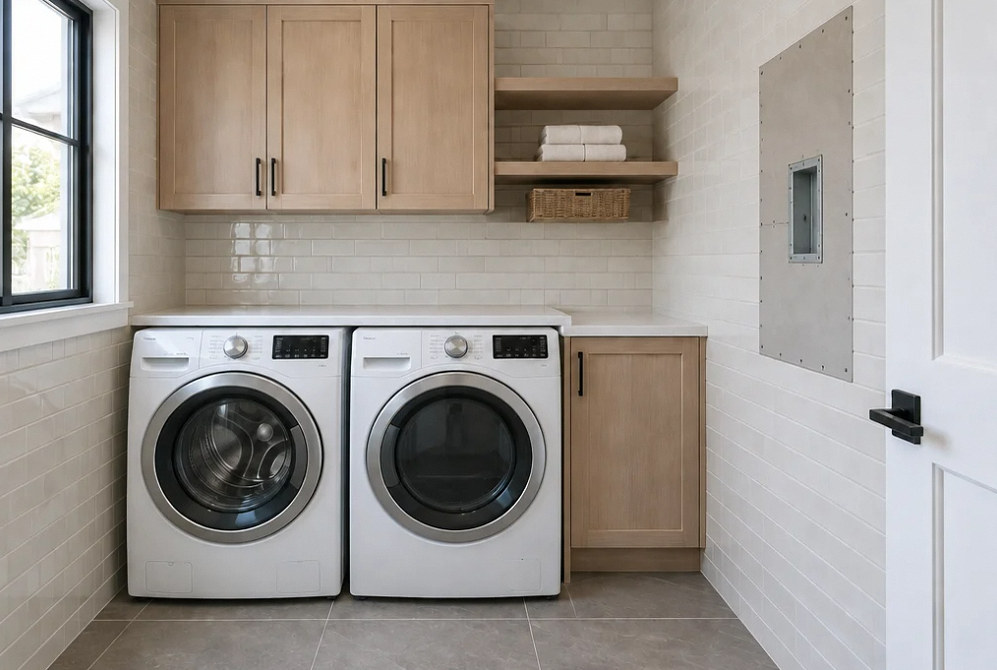
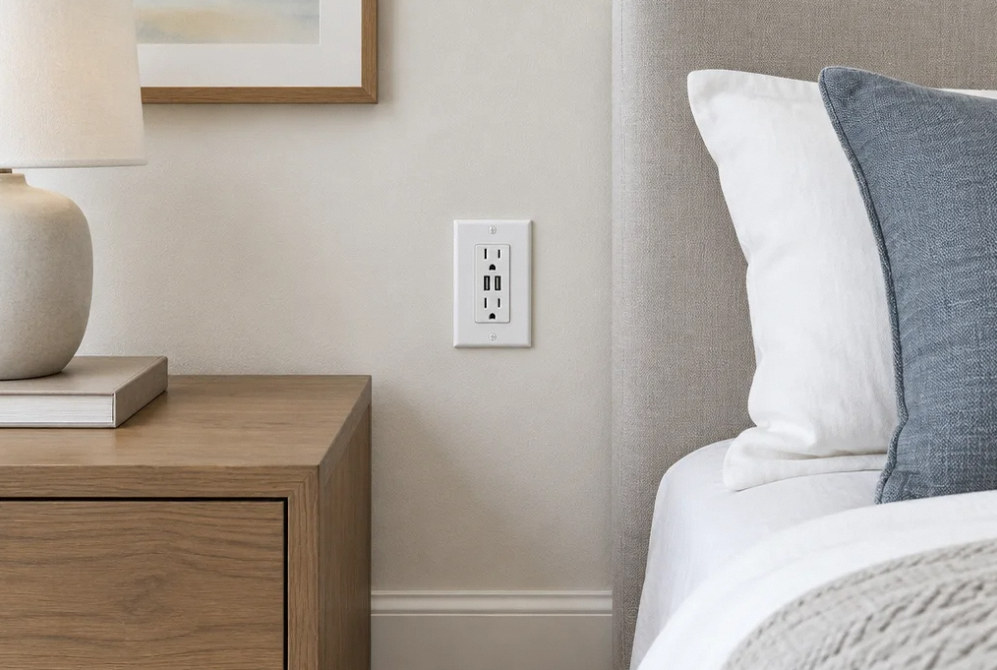
Drag the divider to compare before and after, or open a comparison for a closer look.
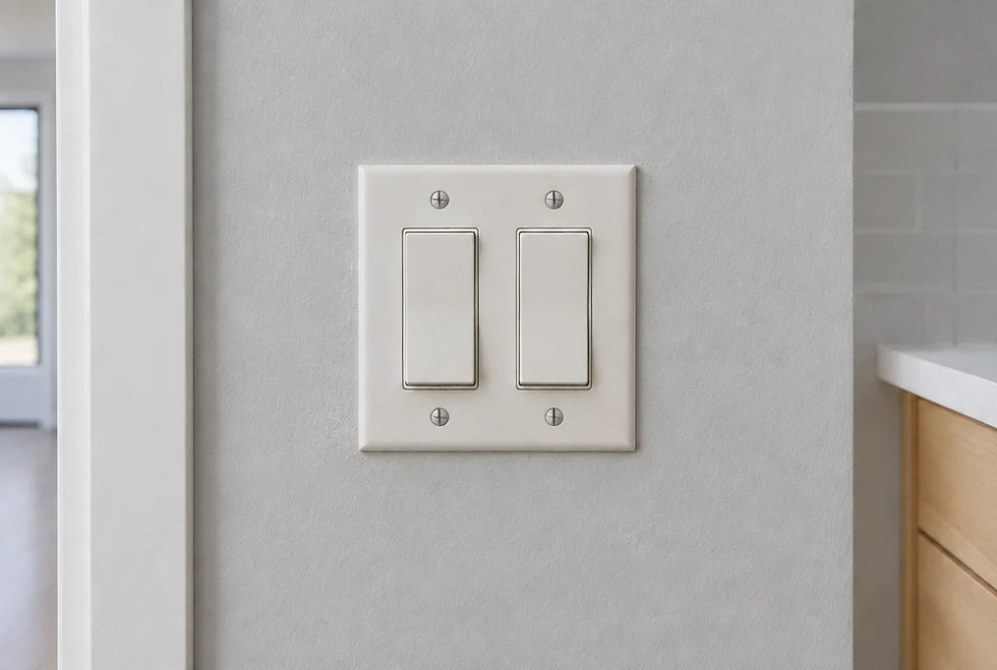
Drag to compare
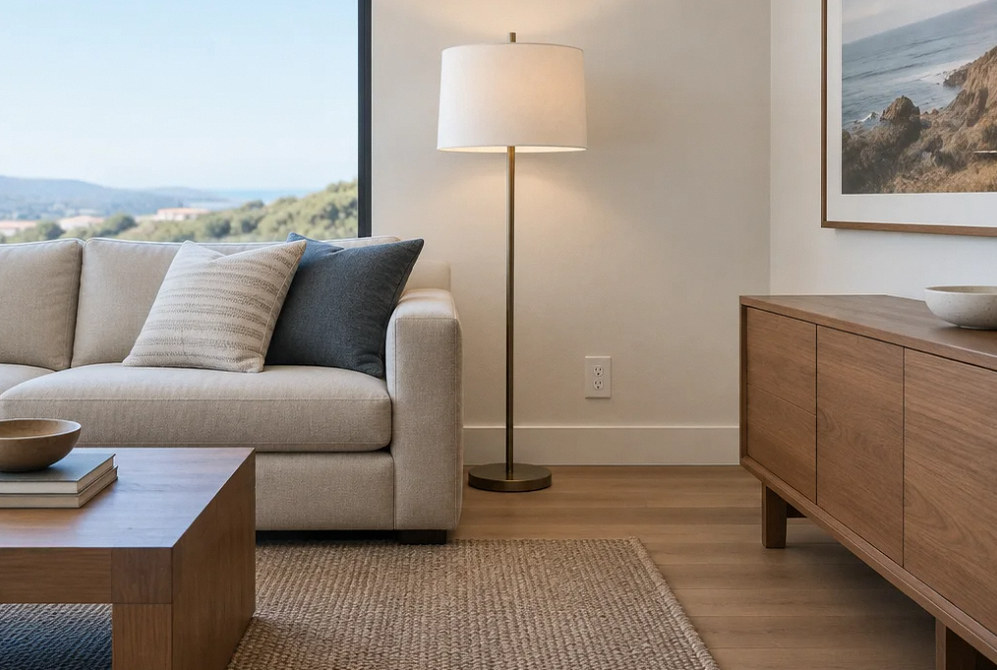
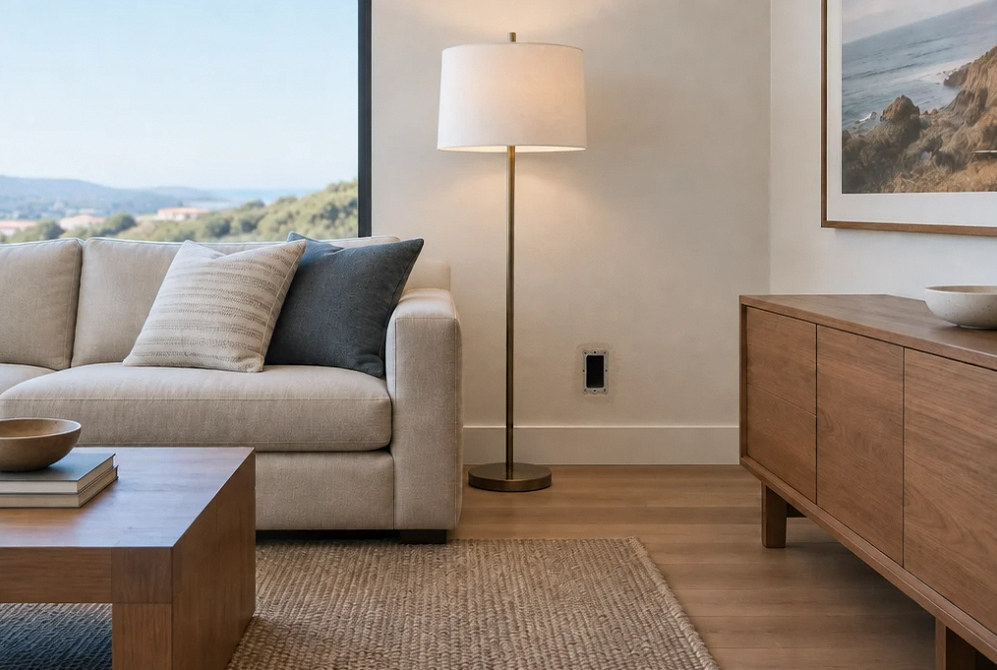
Drag to compare
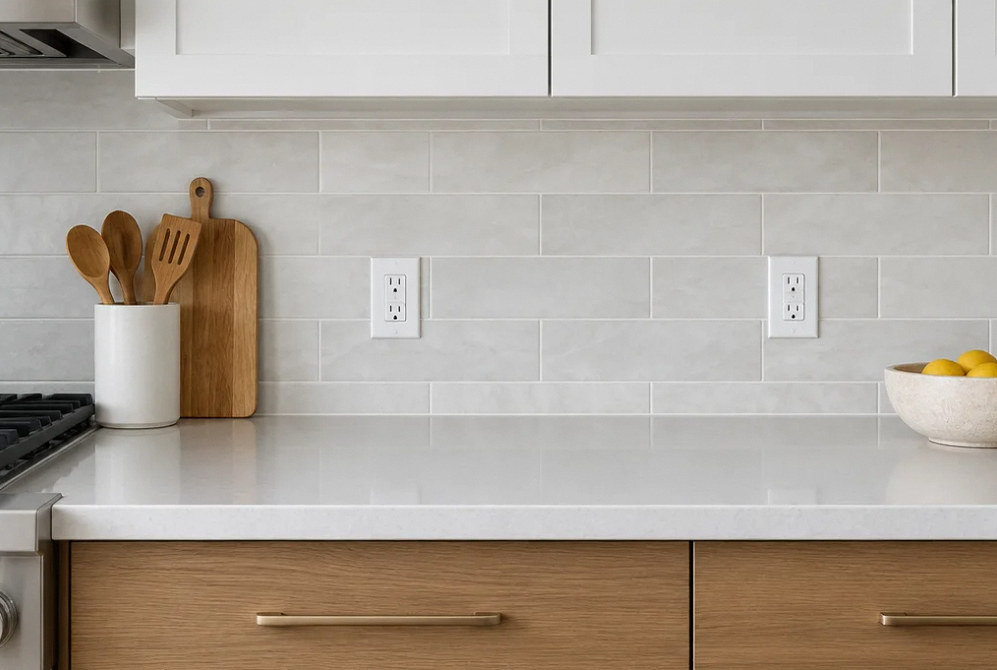
Drag to compare
Drag to compare
Drag to compare
Drag to compare
Pricing Context
What outlet & switch work typically costs in the Bay Area.
Every job gets a written fixed-fee quote.
Devices, smart-hub gear, and high-end finishes (designer faceplates) are billed at cost or supplied by you.
FAQ
Outlet & switch questions, straight answers.
Ready When You Are
Get a fixed quote for your outlet work.
Quote within 3 business days.
Questions worth a closer look
From a short answer to a practical plan.
Explore the causes, tradeoffs and records behind these common project questions.
What should a burnt-outlet repair establish beyond replacing the device?
The electrician should establish the cause and associated damage, identify the repaired or isolated components, and explain any restrictions. Smoke, arcing, persistent burning odor, or suspected fire requires an immediate emergency response.
Read the full guide: Burning odor or buzzing at electrical equipment: respond before researching the cause ↗Contact Us
Request A Consultation
Local Services
We're in your city.
Choose your city and tell us what you need. We'll plan the project around your location.
Choose your city to include it with your project details.
Or call us to discuss your project:
(650) 550-0819Request received
Thank you. Your request has been received.
