
Rebates & Incentives
Check Energy Incentives Before You Commit to the Work
Incentives depend on the property, customer, equipment and timing. Start with the current program rules, then define an electrical scope that preserves any required application sequence. An estimate should not assume an award that has not been approved.
What & Why
Current rules matter more than an old rebate headline.
Reviewed October 3, 2026: the IRS lists June 30, 2026 as the final qualifying placed-in-service date for the federal alternative-fuel refueling property credit. The Residential Clean Energy Credit is unavailable for property placed in service after December 31, 2025. Those credits should not be presented as discounts for a new installation completed now.
Utility and local programs have their own conditions. PG&E currently describes Standard and Rebate Plus residential EV charging options. Rebate Plus includes preapproval and use of its Trade Ally Network. Confirm the selected contractor and equipment under the program; YKCA participation in that network is not represented here.
Useful information for the first conversation
Property and utility
The installation address and actual electric utility
Project timing
What has been ordered, installed or paid for
Equipment
Exact model and eligible-equipment listing
Application status
Reservation or approval letter and its conditions
Project Scope
Define the work and the handoff.
The written scope should identify equipment, responsibilities and the conditions that affect completion.
Identify the program
Use the program administrator’s current page for the correct property and project category.
Check the applicant
Confirm account, residence, ownership and any income or other eligibility requirements directly with the administrator.
Check equipment eligibility
Match the proposed model to the current approved list. Similar product names are not enough.
Preserve the required sequence
Check whether approval, a reservation or a designated contractor is required before purchase or installation.
Prepare the project records
Keep itemized invoices, model information and completion records. Submit sensitive eligibility documents through the administrator’s secure process.
Separate award from contract price
State the full installation price and treat an unapproved incentive separately. Identify who submits the claim and follows up.
Project concepts
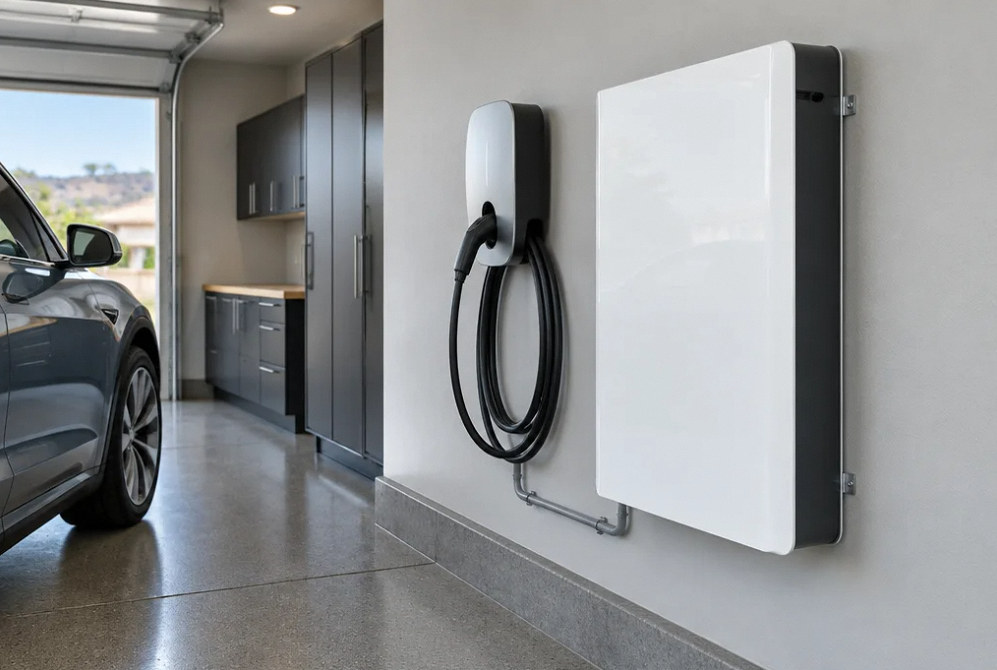
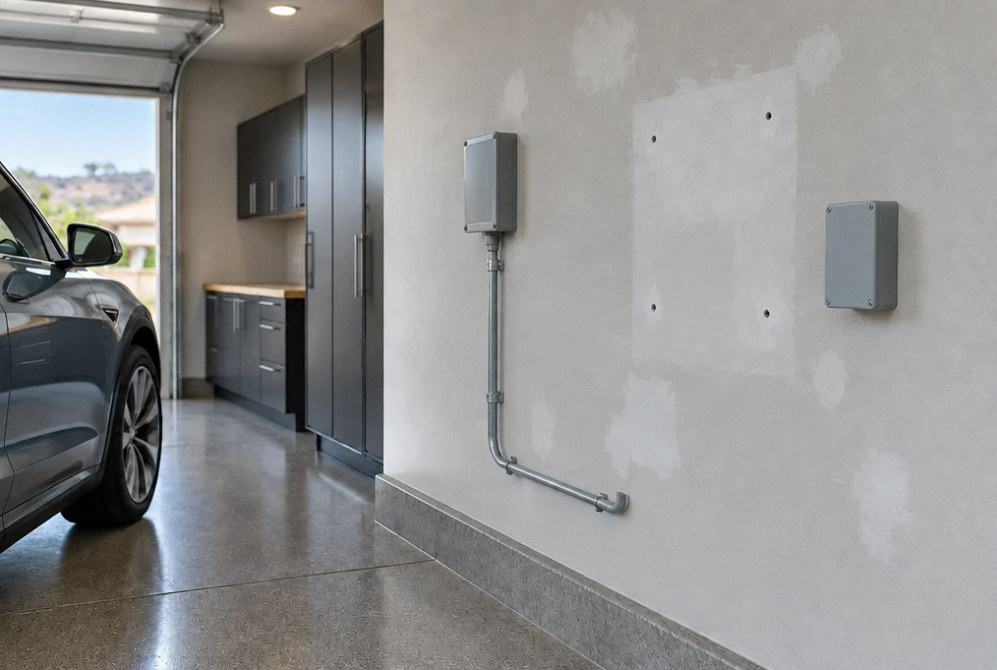
See the possibilities for your space
Drag the divider to compare before and after, or open a comparison for a closer look.
Drag to compare
Before You Choose
Where to start the eligibility check.
Use these distinctions to review the proposal and identify what still needs a decision.
| Planning item | What to establish |
|---|---|
| PG&E residential EV charging | Review the Standard or Rebate Plus path, current equipment list and required application sequence. |
| Utility and local electrification programs | Check the serving utility and program administrator for eligible equipment, funding and dates. |
| Federal credits for earlier installations | Use the IRS rules for the actual placed-in-service date and discuss the filing with your tax professional. |
Estimate Planning
What shapes the project estimate?
Compare the same scope, identify exclusions and keep unresolved work visible before authorizing construction.
- The electrical work required with or without an incentive
- Any equipment or contractor restrictions in the chosen program
- Documentation and application support expressly included
- Work that falls outside the administrator’s eligible-cost definition
FAQ
Rebates & Incentives: questions before work begins.
Can I still assume a federal 30% solar or battery credit for a new project?
For a homeowner-owned solar or battery system placed in service after December 31, 2025, do not assume the section 25D credit. Earlier installations require their own review. A provider-owned lease or power-purchase agreement may involve separate section 48E eligibility for the provider; that is not a homeowner credit, and the customer’s benefit must be stated in the contract.
Is the federal home EV charging credit available for an installation completed now?
The IRS lists qualifying placed-in-service dates only through June 30, 2026. Do not subtract that credit from a new project completed after that date. Earlier projects still need their own eligibility review.
Do I need approval before installation?
It depends on the program. PG&E Rebate Plus describes preapproval and a Trade Ally contractor process. Other paths have different application requirements; check before ordering or starting work.
Can two programs pay for the same work?
Only when both programs permit the combination and the allocation follows their cost rules and caps. A project cannot receive both TECH and HEEHRA under the rule effective July 15, 2025. For other combinations, obtain written confirmation and show each contribution and the owner’s remaining share without double-counting costs.
Should I send tax returns or income records with the project inquiry?
No. Use the program administrator’s approved secure application process for sensitive eligibility documents. For the electrical discussion, share the program name and relevant approval conditions.
Related electrical services
Technical references · reviewed October 3, 2026
- IRS: Alternative Fuel Vehicle Refueling Property Credit ↗
- IRS: Residential Clean Energy Credit ↗
- PG&E: Residential EV Charging Rebate ↗
- PG&E: Rebates and Incentives ↗
- IRS: Notice 2026-15, section 48E property and prohibited foreign entity rules ↗
- TECH Clean California: current HEEHRA closure, reservations, stacking and payment ↗
Your Next Step
Check the program before choosing the equipment.
Share the program name and any approval conditions. Keep the electrical scope and the administrator’s eligibility decision clearly documented.
