
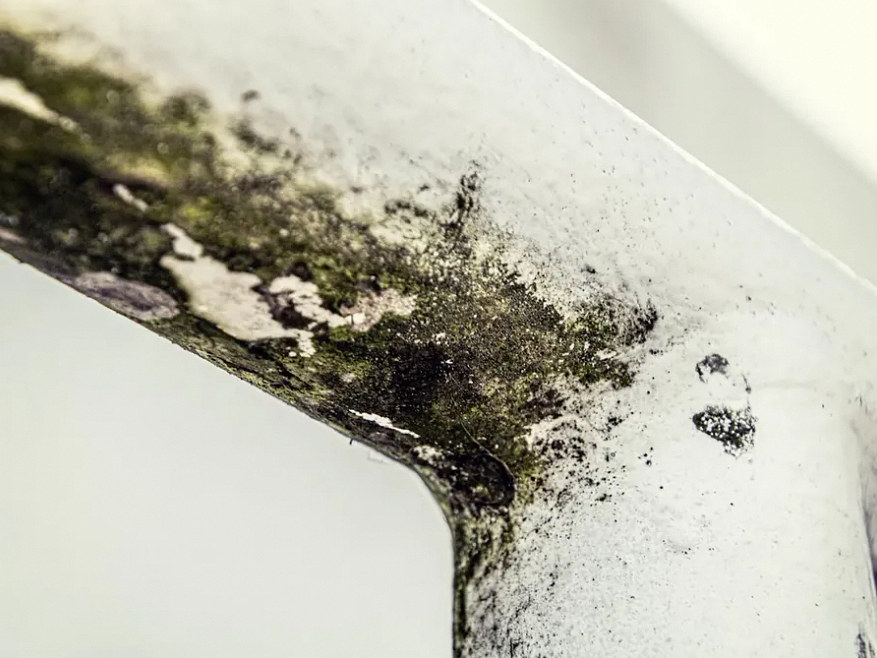

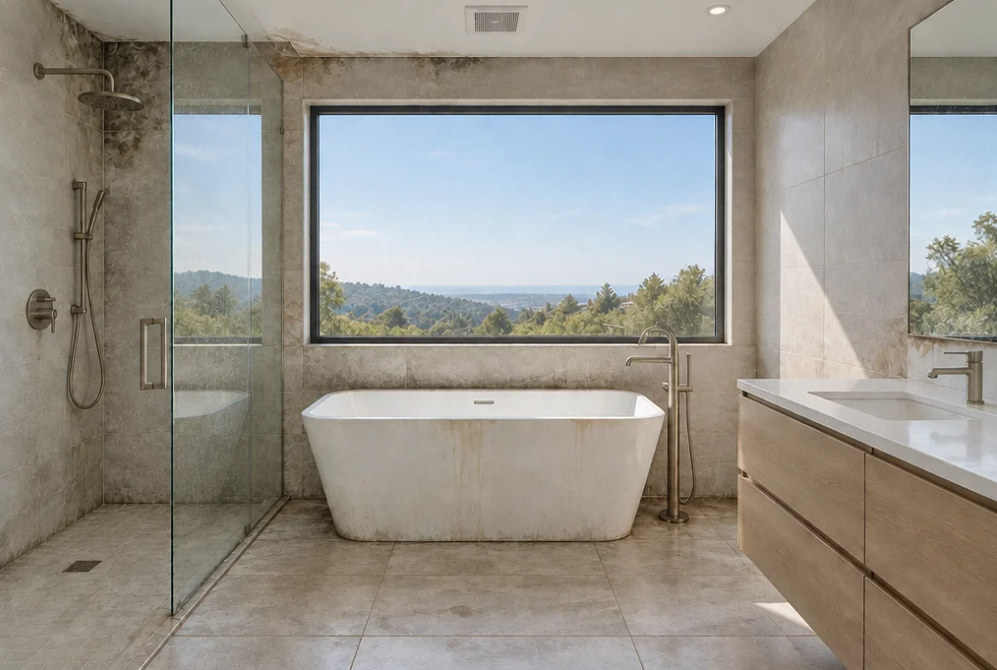
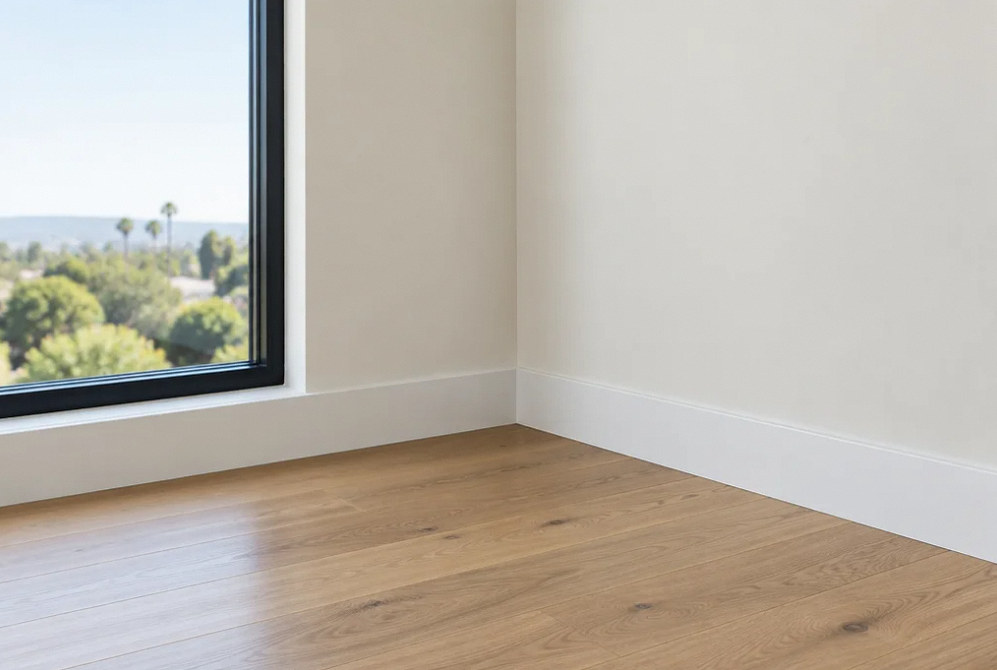
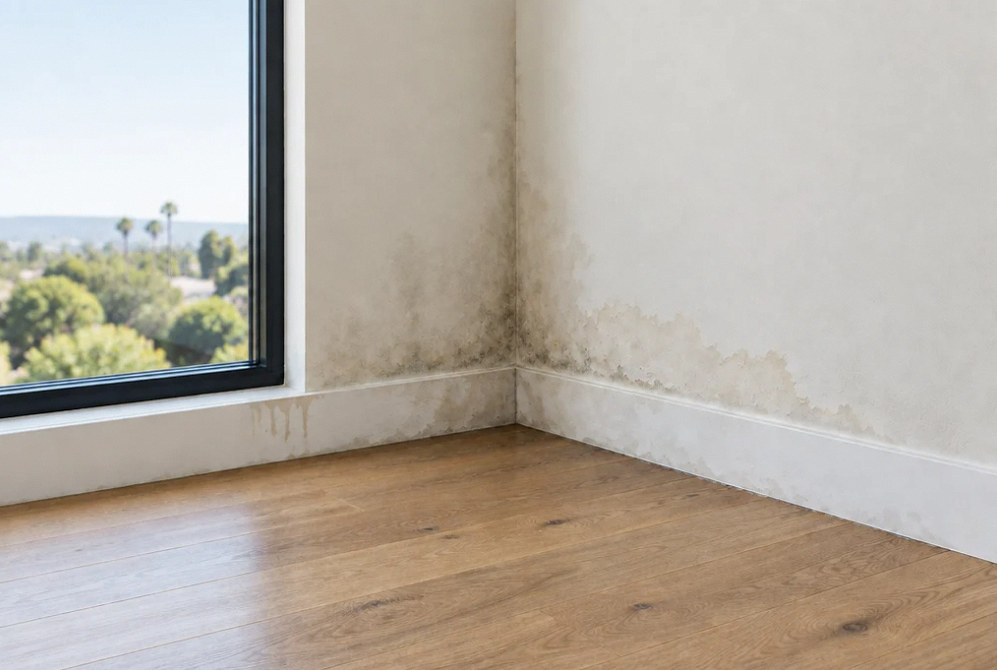
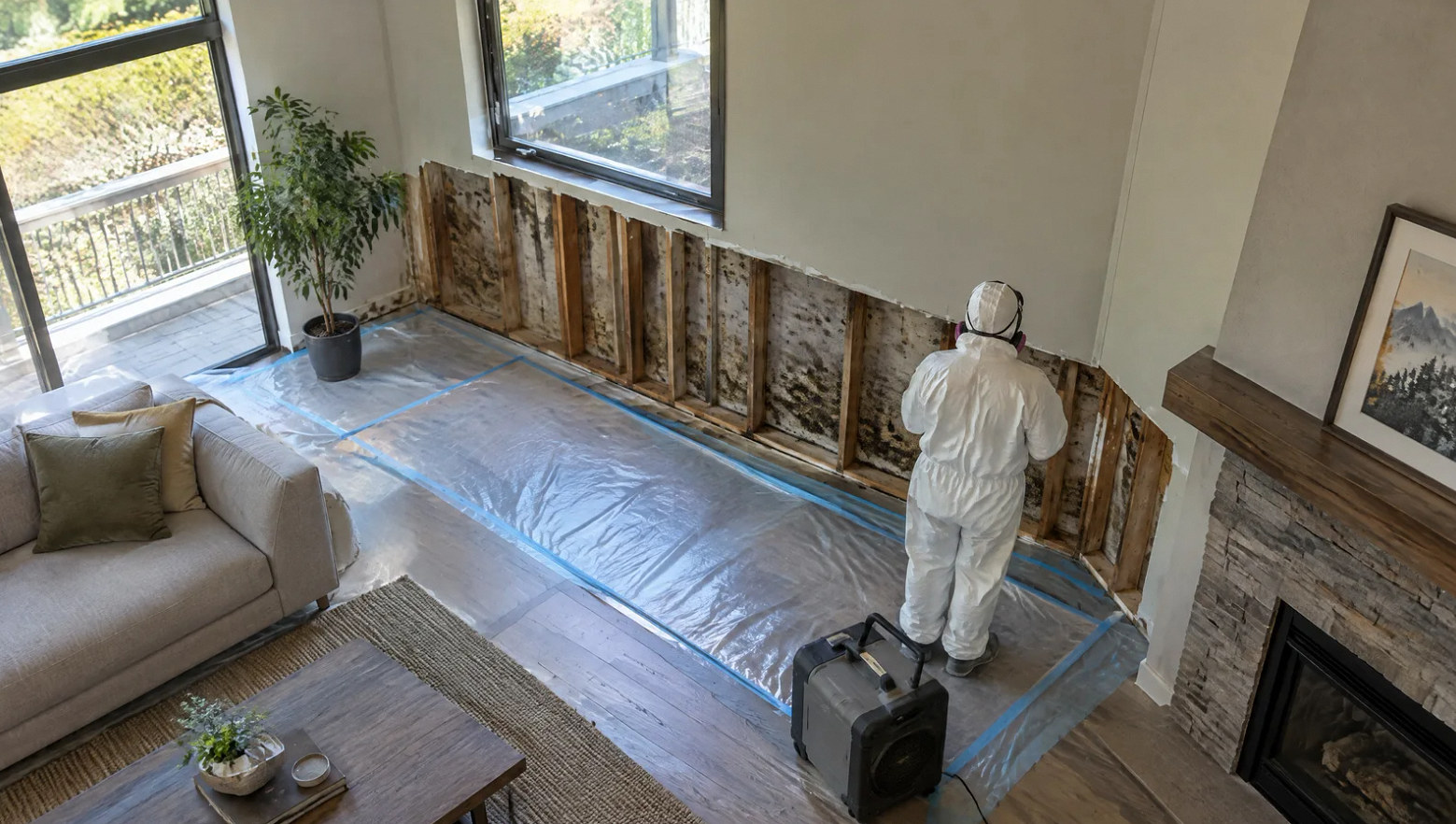
Mold growth on a wall surface behind removed finish material

Mold Remediation

Three Quotes, Five Times Apart. Here Is How To Read Them.

Mold is the least regulated corner of this trade and the easiest place to be sold something cosmetic. Four questions separate real remediation from a spray and a promise, and they work on us too.

Free inspection on restoration work · Licensed C-10 & General B · Answered 24/7

Ask every bidder the same four questions.

Including us. The answers explain the price gap far better than the price does.

How much material comes out, and how does it leave the building?

Ask which materials can be cleaned and which need removal. Mold can be difficult or impossible to remove fully from porous materials, so some may need to be discarded. The scope should explain those decisions and how removed material will be contained to limit spread.

Is the area contained and under negative pressure?

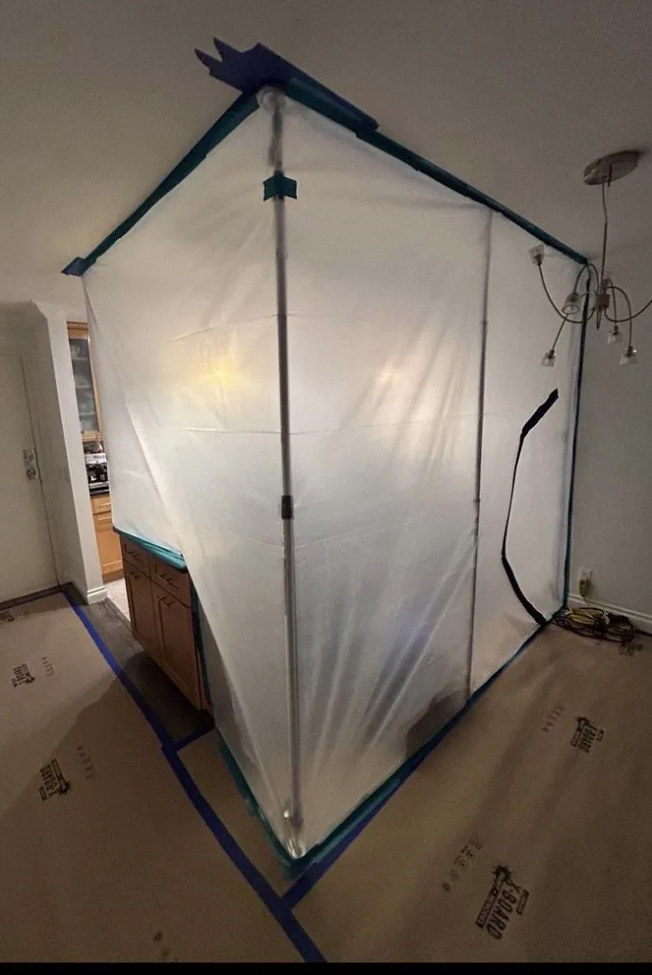
Ask how the work area will be isolated and whether controlled exhaust and negative pressure are appropriate for the scope. A recirculating air scrubber does not automatically create negative pressure. The plan should address the paths by which dust could reach occupied spaces.

What is being done about the water?

Mold is a symptom. If the pinhole leak, the failed pan, the missing exhaust fan, or the negative grade outside stays as it is, the mold comes back and the second remediation is on you. The source correction should be a line on the estimate, not an assumption.

Who says it is finished?

Agree on completion criteria before work begins: correction of the moisture problem, removal of mold, and follow-up checks. Ask whether independent assessment or sampling is appropriate for this project, who will perform it, and what question it will answer. Sampling is not required for every mold cleanup.

Why this keeps happening in Bay Area houses.

Mold needs moisture, a food source, and time. Drywall paper and wood framing supply the food, and this housing stock supplies the moisture in ways that are specific to the region. Older homes with no bathroom exhaust or a fan that vents into the attic instead of outside. Crawl spaces under post-war construction with bare soil and no vapor barrier. Coastal humidity through Santa Cruz County and the west side of San Francisco, where interior surfaces stay cool enough to condense.

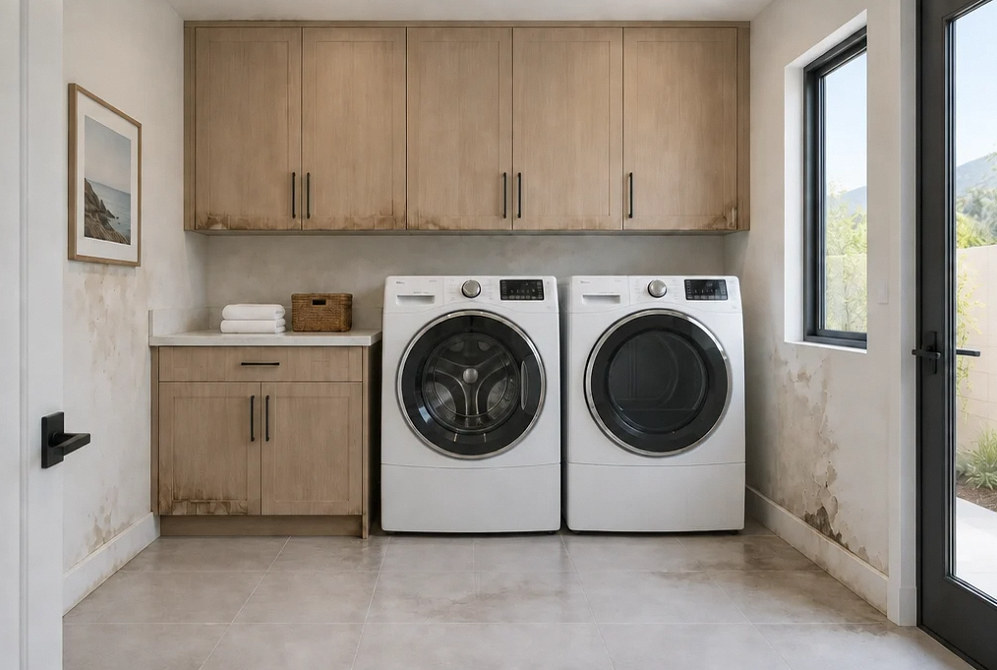
Then there are the slow leaks: the pinhole in copper behind a shower wall, the supply line to a fridge, the pan under a second-floor washer. None of them announce themselves, and all of them run for months.

Which is why finding the water is step one and not step four. A remediation performed without correcting the source is a job you will buy twice, and the second time the material behind it has usually gone further.

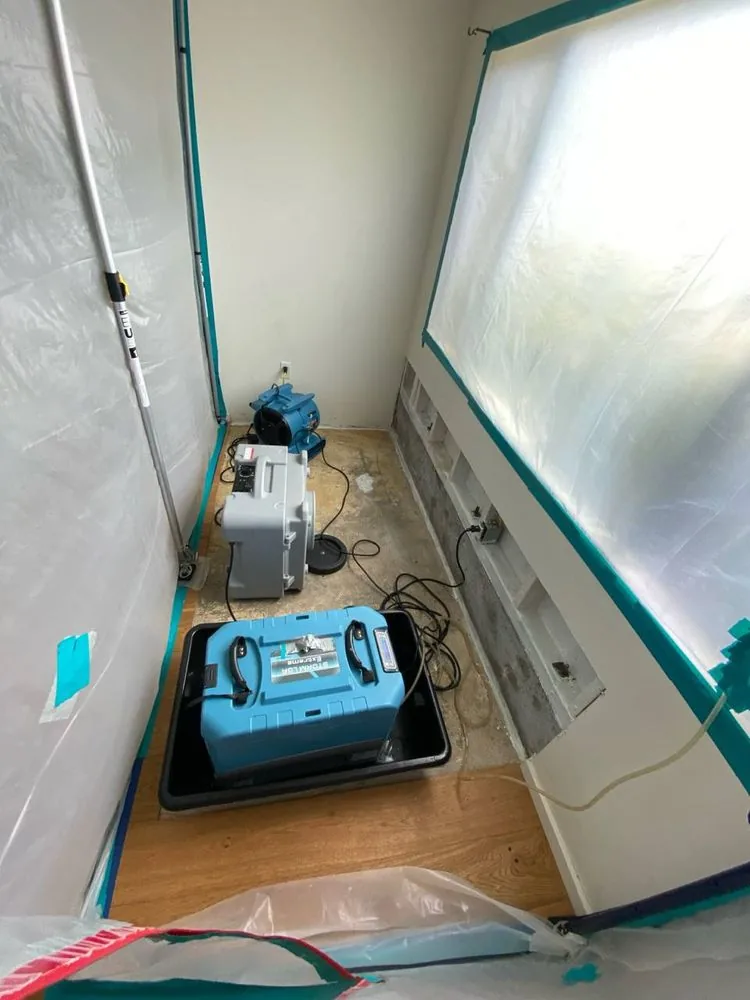
Containment sheeting and negative air machine set up before removal

Appropriate containment and airflow controls are checked before disturbing materials.

The order the work has to happen in.

Skipping or reordering any of these is where remediation jobs fail, and it is usually step one or step four that gets dropped.

  1. 01

    Find the water first

    Use moisture measurements and other appropriate inspection methods to locate affected materials and investigate the water source. A thermal image shows temperature differences that need interpretation and confirmation. Correcting the moisture problem is essential to reducing recurrence.

  2. 02

    Contain, then disturb

    Choose protection and containment for the extent of work, contamination and occupants. Where negative pressure is specified, verify the exhaust arrangement and airflow before disturbing materials. A recirculating air scrubber alone does not establish negative pressure.

  3. 03

    Remove and clean

    Remove materials that cannot be adequately cleaned and restored. Choose cleaning and debris-handling methods for the material and extent of contamination, and document what is retained or removed.

  4. 04

    Correct the source

    Use the appropriately licensed trade for each source repair, whether it concerns plumbing, ventilation, grading or another building component. The estimate should identify included repairs, separately coordinated work and any required inspections.

  5. 05

    Completion assessment

    Review the agreed completion criteria. If independent assessment or sampling is part of the project, use a qualified professional and document the findings and their limits.

  6. 06

    Rebuild

    Insulation, drywall, texture, paint, trim, and any electrical that came out, under the same contract once the agreed completion criteria and required inspections are satisfied.

Three Quotes, Five Times Apart. Here Is How To Read Them. — illustrative service image

The Part Nobody Enjoys

Mold coverage is usually capped, and sometimes absent.

Many California homeowners policies limit mold remediation to a fixed sublimit, often a fraction of what the same policy would pay for the water loss that caused it, and some exclude it outright. Where mold follows a covered sudden water loss you are generally in better shape than where it followed months of seepage. Read your policy or ask your agent before you assume, and get the drying done fast, because the fastest way to keep a mold problem small is to never let it start.

How we document a claim

Mold questions

EPA says sampling is usually unnecessary when mold growth is visible. When sampling is proposed, ask what decision the results will inform and how they will be interpreted. Use a professional experienced in mold sampling; health concerns should also be discussed with a healthcare professional.

An independent assessor can provide a separate opinion about the scope or completion of the work. If that review is included, agree on the assessor and criteria before work starts. Sampling needs a defined purpose and does not replace assessment of the moisture problem and cleanup.

Killing or masking mold is not the same as removing contamination and correcting the moisture problem. Cleaning, removal of materials that cannot be adequately restored and source correction depend on the conditions. Chemical treatment alone does not demonstrate completion; any product must be suitable for the task and used according to its label.

We are contractors, not physicians, and any restoration company that answers that question for you is out of its lane. Reactions vary enormously between individuals, and the person to ask is a doctor. What we can do is remove the material and fix the water, and document exactly what was there and what was done, which is what a doctor or an attorney can then actually use.

California requires sellers to disclose known material facts about a property, and a past mold problem and its remediation is generally that. This is worth hearing as good news: documented remediation with records of the agreed completion assessment provides more useful information than an unexplained repair or a stain somebody painted over. Keep the paperwork.

Compare the actual scopes: affected areas, material removal, cleaning methods, source correction, protection of occupied spaces and completion criteria. Ask each bidder to identify exclusions and assumptions. A lower price alone does not establish inadequate work, and a higher price does not prove that every proposed step is necessary.

Next on the same job.

24/7 Emergency Response

Anything sold as a spray-only fix is selling you the appearance of one.

Licensed C-10 & General B · CSLB #1158693 · General Liability Insured

Restoration work

A closer look at the work

A work area enclosed with protective sheeting and air filtration equipment.

Mold remediation · Detailed answers

Questions worth resolving before work begins.

Why does bathroom mold return after new paint and a fan?

The moisture condition may not have been identified or corrected, and the material may still need appropriate cleanup. Inspect the installed exhaust path, normal humidity pattern and possible leaks before selecting another coating.

Read the full guide: Bathroom Ceiling Mold Keeps Returning: Inspect Moisture Before Repainting
Why are my mold quotes so different?

They may cover different locations, materials, moisture repairs, protection or completion reviews. Normalize those items before comparing totals. Ask for the evidence behind major differences instead of assuming the cheapest or longest proposal is correct.

Read the full guide: Mold Remediation Quotes Differ: Compare the Work Before the Price
Can fogging alone establish that mold remediation is complete?

No. Ask what contamination was removed, how the moisture source was corrected and what inspection demonstrates the result. A record of product application alone leaves those questions unanswered.

Read the full guide: Mold Fogging and Paint: What the Invoice Does Not Prove
Does attic mold mean all insulation needs replacement?

Not automatically. Ask which material is affected, the condition observed and why cleaning or retention would be unsuitable. Separate necessary replacement from an optional whole-attic upgrade.

Read the full guide: Attic Mold and a Misrouted Bathroom Fan: What Belongs in the Repair
What should I receive before rebuilding after mold remediation?

Request the completed scope and changes, source-repair record, photographs and the agreed completion review. Keep any unresolved findings or access limitations explicit before new finishes conceal the area.

Read the full guide: After Mold Remediation: What to Check Before the Walls Close

All mold remediation guides

Water damage • Homeowner resources

Practical help for the decisions ahead.

01 / KEEP IN MIND

Ask what each machine is doing

Ask the technician to identify each machine, explain its purpose, and show which openings, hoses, and access paths must remain clear. Include the alarm and shutdown instructions in your household notes. Before adding a household fan, have the team assess contamination; airflow can spread mold from an affected area.

Read the explanation

02 / KEEP IN MIND

Resolve the moisture question before repainting

Put paint, trim, and finish choices on the repair list while the affected material is assessed. Ask what evidence supports covering it and whether cleanup or substrate repairs remain. A stain can be a useful location marker for the team; hiding it does not resolve the original moisture problem.

Read the explanation
03 / KEEP IN MIND

Describe an odor without diagnosing it

Note where an odor is strongest, when you notice it, and whether it changes after rain, plumbing use, or equipment operation. Give that history to the team. Avoid covering it with fragrance before the visit. An odor deserves investigation, but its presence or absence cannot by itself establish the condition of hidden materials.

Read the explanation

Contact Us

Request A Consultation

Local Services

We're in your city.

Choose your city and tell us what you need. We'll plan the project around your location.

Choose your city to include it with your project details.

Or call us to discuss your project:

(650) 550-0819

Send your project details to YKCA.

Project: Three Quotes, Five Times Apart. Here Is How To Read Them.

Request received

Thank you. Your request has been received.

×

Contact Us

For More Info!