
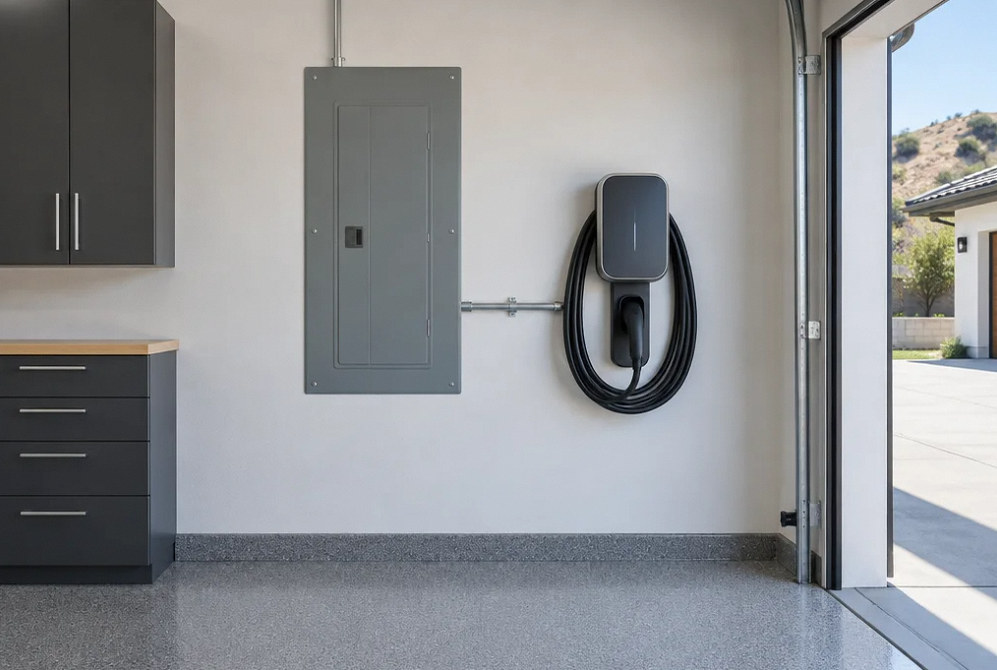
Electrical Load Calculations
Know What the Electrical Supply Can Support
Before adding an EV charger, heat pump, range or additional living space, establish the electrical demand and the equipment it will use. YKCA can prepare the load assessment needed to compare a circuit addition, load management or a service change.
What & Why
A full panel and a fully loaded service are different questions.
The number printed on a main breaker does not describe the home’s available capacity by itself. A useful assessment identifies the existing supply, installed loads, planned equipment and the calculation or measurement method appropriate to the project.
The result should explain its assumptions and connect them to a decision. Where an upgrade is proposed, identify the constraint it resolves. Where controls or a lower-power configuration are proposed, document their operating limits and compatibility.
Useful information for the first conversation
Existing supply
Service and panel information available without removing covers
Planned loads
Selected models and electrical specifications
Current loads
Appliances, EV charging and other significant equipment
Purpose
Permit, service planning or comparison of project options
Project Scope
Define the work and the handoff.
The written scope should identify equipment, responsibilities and the conditions that affect completion.
Record existing equipment
Identify the supply arrangement, panels and significant loads. Flag information that needs site verification.
Define the proposed addition
Use equipment specifications rather than a generic appliance label or an assumed maximum charger setting.
Choose the assessment method
Apply the method accepted for the project and document its inputs. Any demand records need the proper context and review.
Separate capacity from space
Record breaker-space or distribution constraints independently from the calculated demand on the supply.
Compare practical options
Evaluate the proposed configuration, suitable controls or a justified service change without treating every future idea as a committed load.
Deliver the assumptions
Provide a record of equipment, inputs and conclusions suitable for the agreed purpose, and identify changes that would require a new review.
Project concepts
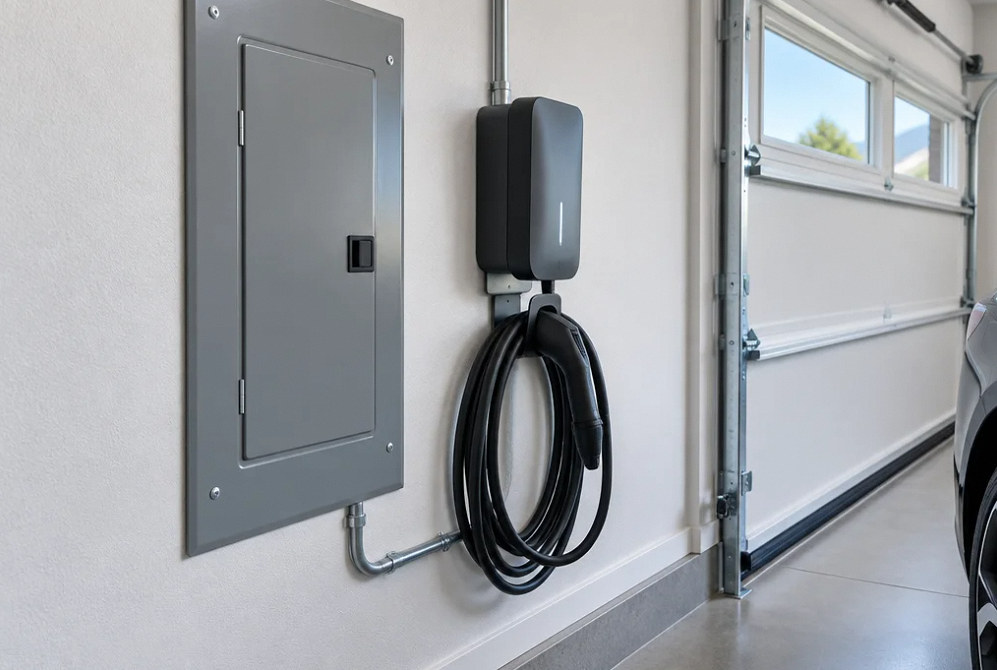
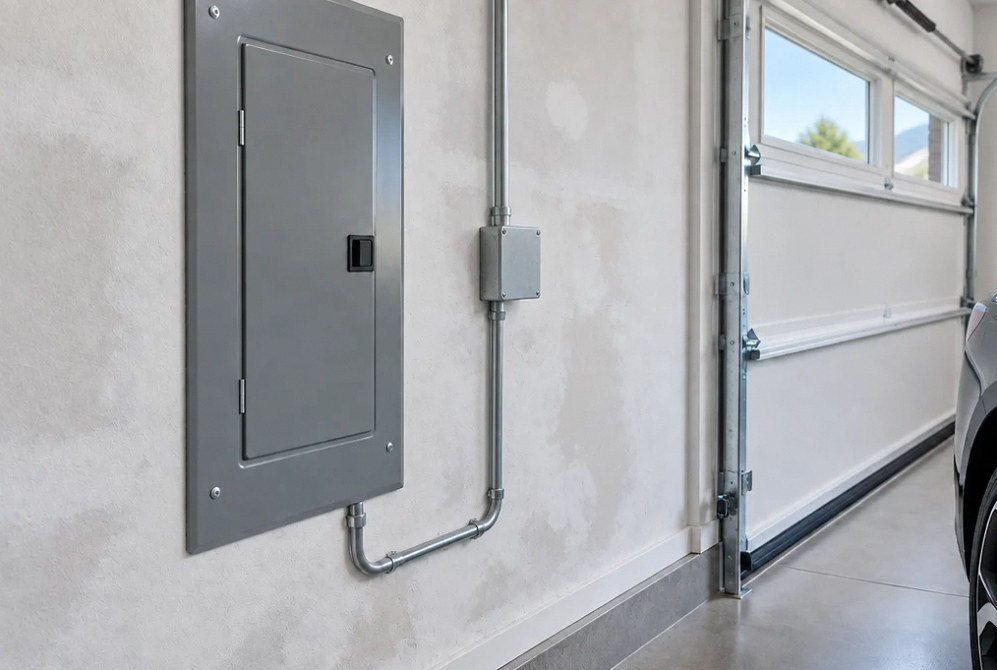
See the possibilities for your space
Drag the divider to compare before and after, or open a comparison for a closer look.
Drag to compare
Before You Choose
The assessment should answer these questions.
Use these distinctions to review the proposal and identify what still needs a decision.
| Planning item | What to establish |
|---|---|
| Can the proposed load be added? | The selected configuration and the basis for the conclusion. |
| What limits the project? | Service demand, equipment rating, panel condition, spaces or another identified constraint. |
| What alternatives were considered? | Different equipment, controls or service work with their limitations. |
| What could change the answer? | A higher charger setting, different appliance, added load or changed design. |
Estimate Planning
What shapes the project estimate?
Compare the same scope, identify exclusions and keep unresolved work visible before authorizing construction.
- Number of panels, meters and equipment requiring review
- Availability and reliability of equipment records
- Site investigation or demand information required
- Permit documents, revisions and scope of the final report
FAQ
Electrical Load Calculations: questions before work begins.
Can I add all the breaker numbers to find the load?
No. Breaker ratings describe circuit protection. An applicable Article 220 method uses the home’s load inventory, required allowances and demand factors, or qualifying measured-demand records. Ask for the method and inputs used; breaker space and equipment condition need separate review.
Does a load calculation mean I need a panel upgrade?
No. Its purpose is to inform the choice. A circuit addition, a different equipment selection or appropriate capacity management may be considered alongside an upgrade.
Can a utility bill replace the assessment?
A monthly energy bill cannot. Suitable demand records may support the section 220.87 assessment, normally using one year of data. A 30-day recording option may be unavailable with renewable generation or peak-load shaving. Before ordering a short study, have a qualified professional verify the adopted code and permit requirements, including recording, occupancy and seasonal-load conditions, and account for the proposed new load.
Should I include appliances I might add later?
Separate confirmed additions from possible future work. The report can identify its assumptions and review a defined future scenario without treating every possibility as an immediate requirement.
Is the same calculation valid after I change the charger or HVAC model?
Only if the change remains within its documented assumptions. Compare electrical input, auxiliary heat, simultaneous operation and any managed limits, including other additions made since the report. A qualified reviewer can confirm equivalence or identify the calculation, circuit and permit updates needed before installation.
Related electrical services
Technical references · reviewed October 3, 2026
- U.S. Department of Energy: Electrification Under Panel and Service Constraints ↗
- Truckee: residential forms index, including the electrical load worksheet ↗
- LBNL: Characterizing electrical panel capacity, breaker space, and loads in U.S. single-family homes ↗
- Daly City: building handouts, including EMS plan review and inspection guidelines ↗
- AEMC: 2016 manufacturer Customer Support Tip on load recording; historical guidance, not adopted California code ↗
Your Next Step
Discuss your electrical load calculations project.
Share the property, existing equipment and the result you need. We can define the next practical step.
