
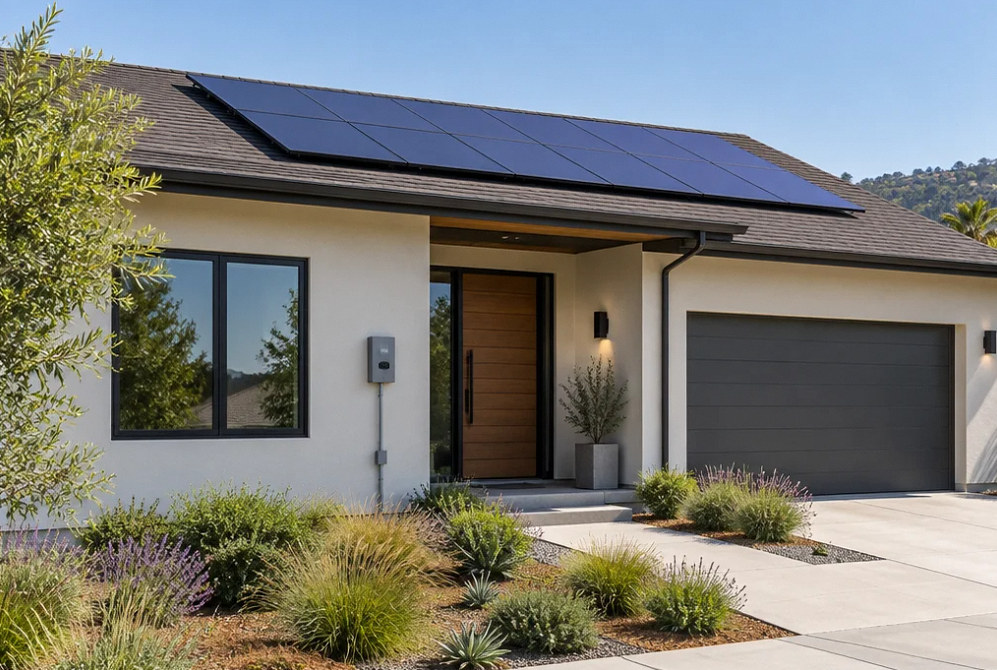
Solar Interconnection
Solar Electrical Interconnection, From Panel Review to Utility Approval
Solar panels on the roof are one part of the project. YKCA helps define the electrical connection between the generating system and your property, with a clear division of work between the solar installer, electrician, building department and serving utility.
What & Why
Make the connection plan part of the solar plan.
The connection method depends on the actual service equipment, inverter output and proposed system. Review these together before assuming a spare breaker position means the panel can accept solar.
For PG&E customers, the contractor's application, local inspection and PG&E's permission to operate are separate milestones. Properties served by another utility need that utility's process. Identify who owns each step and where the completed records will be kept.
Start with the system records
Serving utility
Utility name, meter location and current application status
Solar design
Inverter models, output and the electrical diagram
Existing service
Panel labels, main disconnect and any approved plans
Project boundary
New system, expansion, battery addition or unfinished connection
Project Scope
Six parts of a coordinated electrical connection.
An interconnection proposal should state the electrical work and document responsibilities, including items supplied by the solar contractor.
Existing service review
Evaluate the panel, service equipment, ratings and condition. Determine what needs to change and what can remain after the proposed generation is considered.
Inverter and equipment records
Confirm model numbers, ratings and required supporting documents. Reconcile any difference between the plans, application and equipment on site.
Connection design
Define the approved point of connection, protective devices, disconnects, labeling and routes. Keep possible panel changes separate from a confirmed upgrade scope.
Permit coordination
Identify the local permit and inspection requirements. Assign preparation and correction of the electrical documents rather than leaving a gap between trades.
Utility application
Identify the applicant, submission status and open utility comments. Include storage in the review when it is part of the system.
Completion records
Collect the final installation records, inspection result and utility authorization. Show the owner what remains pending before the system is treated as ready for normal operation.
Project concepts
See the possibilities for your space
Drag the divider to compare before and after, or open a comparison for a closer look.
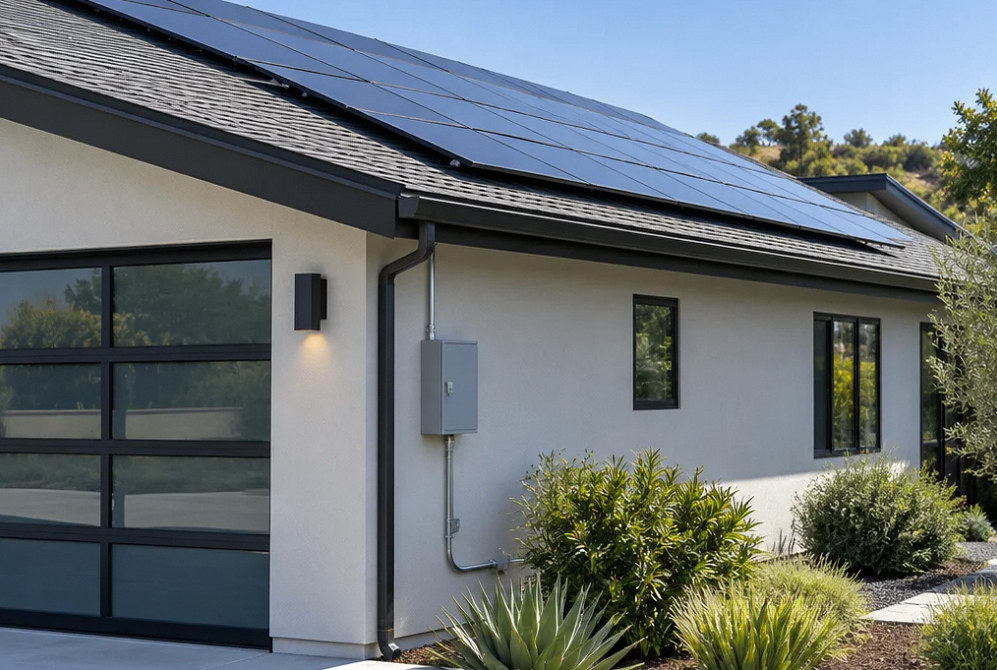
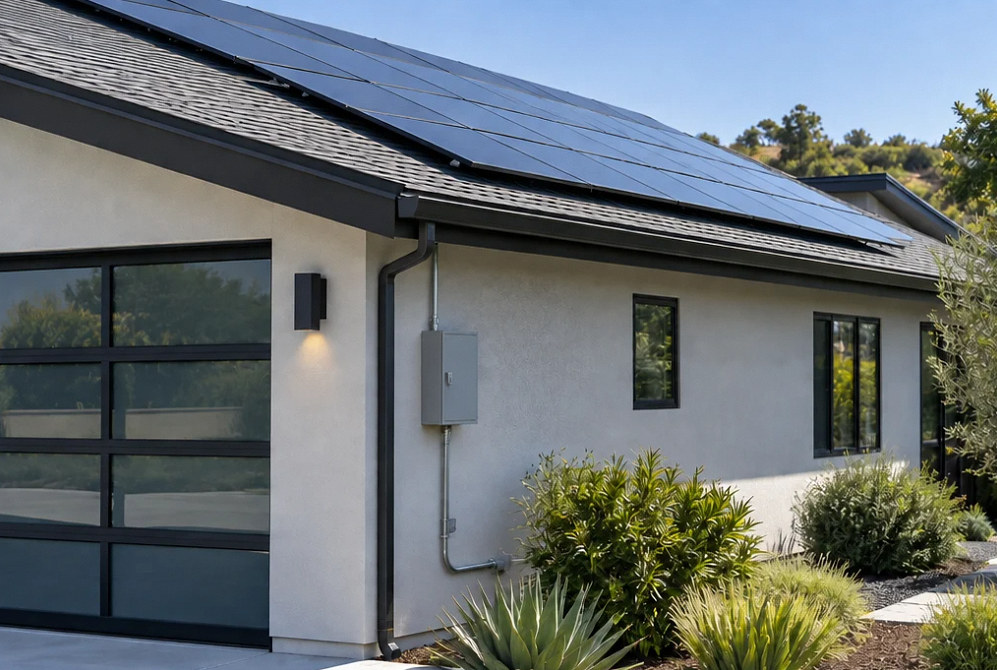
Drag to compare
Before You Choose
Keep these milestones separate.
A visible installation is not a complete status report. Ask which milestone is documented and what still needs to happen.
| Milestone | Record to request |
|---|---|
| Electrical installation complete | The installed equipment and connection match the approved project documents. |
| Local inspection complete | The building department's recorded approval and any resolved correction items. |
| Utility authorization complete | The serving utility's applicable authorization and any remaining operating conditions. |
Estimate Planning
What shapes the interconnection scope?
Separate necessary electrical construction from application work, utility work and the rooftop solar contract.
- Condition and arrangement of the existing panel and service
- Approved connection method and equipment requirements
- Cable routes, wall access and restoration of disturbed finishes
- New application, design revisions or an existing project's unresolved documents
FAQ
Solar interconnection questions, straight answers.
Does solar always require a panel upgrade?
Not always. Verify the bus and main-breaker ratings, generation output and exact connection arrangement. The familiar 120% calculation applies only to qualifying configurations. A designer may evaluate a permitted load-side connection, compatible main reduction, supply-side equipment or a listed power control system. Spare breaker spaces alone do not establish a safe or approved connection.
Can the solar system run as soon as inspection is complete?
Confirm the serving utility's authorization and the approved operating conditions. PG&E lists final permission to operate as its own step; a local inspection is not the same record.
Can YKCA handle only the electrical part of another installer's project?
Discuss the electrical scope and provide the other installer's plans. The agreement should identify who supplies equipment, submits revisions, schedules inspections and completes utility follow-up. Roof work and solar equipment supply belong in the scope only when expressly included.
What if my home is not served by PG&E?
Use the actual serving utility's requirements. Provide its name with the project address and identify any application already filed. PG&E instructions do not establish another utility's process or approval.
Does adding a battery affect interconnection?
Include the battery in the utility review. For an operating PG&E NEM2 system, storage alone generally preserves the remaining legacy term, but certain SGIP reservations trigger a tariff transition. Added solar, inverter changes and unfinished applications require separate review. Confirm the actual incentive category and complete before-and-after equipment schedule before relying on tariff retention.
How long will utility approval take?
The answer depends on the application, review comments, inspections and any required utility work. Request the current project status and next outstanding item. A construction date should not be presented as a guaranteed utility approval date.
Related electrical services
Technical references · reviewed October 3, 2026
Your Next Step
Bring the plans. Resolve the connection scope.
Share the inverter information, service arrangement and current permit or utility status so the next electrical step is clear.
