Use electrical input watts
Use a manufacturer’s data sheet, accessible label or suitable measurement. Do not enter heating output in BTU/h, cooling tons or the breaker’s handle rating.
06 / Turn an appliance list into a useful brief
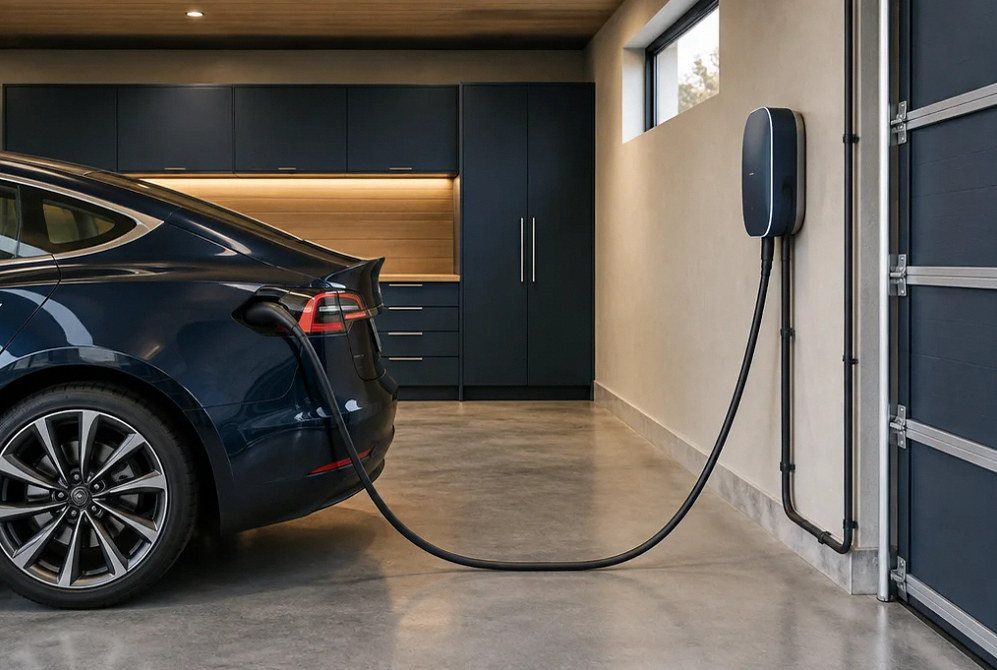
Compare connected power, selected simultaneous loads and estimated energy use. Bring the results to your electrician when planning EV charging or home electrification.
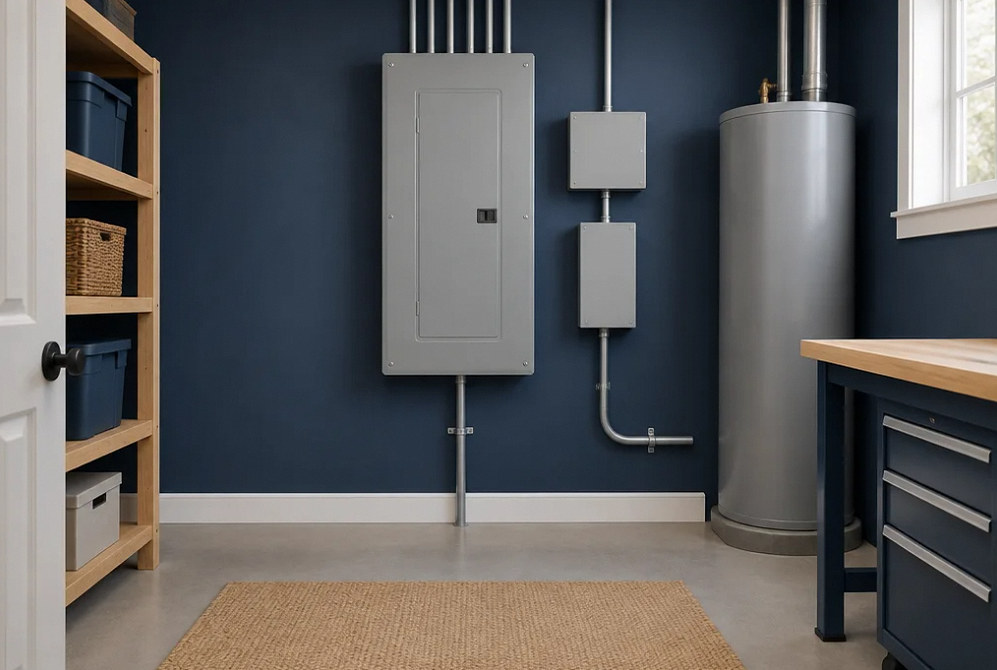
This tool totals the equipment input watts you enter. It does not apply electrical-code demand factors, evaluate conductor or breaker sizes, test panel compatibility, or determine spare service capacity. Never use its result as permission to add a circuit.
Use a manufacturer’s data sheet, accessible label or suitable measurement. Do not enter heating output in BTU/h, cooling tons or the breaker’s handle rating.
Enter equivalent hours at the stated input. A variable-speed or cycling appliance does not draw its rated input for every hour it is switched on.
Check equipment that could run at the same time. This is a planning scenario, not proof that other combinations cannot occur.
Blank wattage means an unknown load, not zero. Enter 0 for an item that is absent. Nothing entered here is submitted to YKCA.
For example, a hypothetical 1,000 W load running for 2 hours contributes 2 kWh. A daily estimate does not represent seasonal peaks or starting current.
Unit reference: U.S. EIA: measuring electricity.
The professional review determines the applicable code method, existing system limits and whether load management is a suitable option.
Find the governing code sources →FROM THE YKCA JOURNAL
No. It only adds the loads you selected. The tool does not enforce that operating pattern or apply a code load method. Service, feeder and installation capacity need a separate professional review.
Contact Us
For More Info!