
Source panel & load assessment
Review the upstream panel, existing electrical demand and proposed equipment. Empty breaker spaces alone do not establish available capacity.
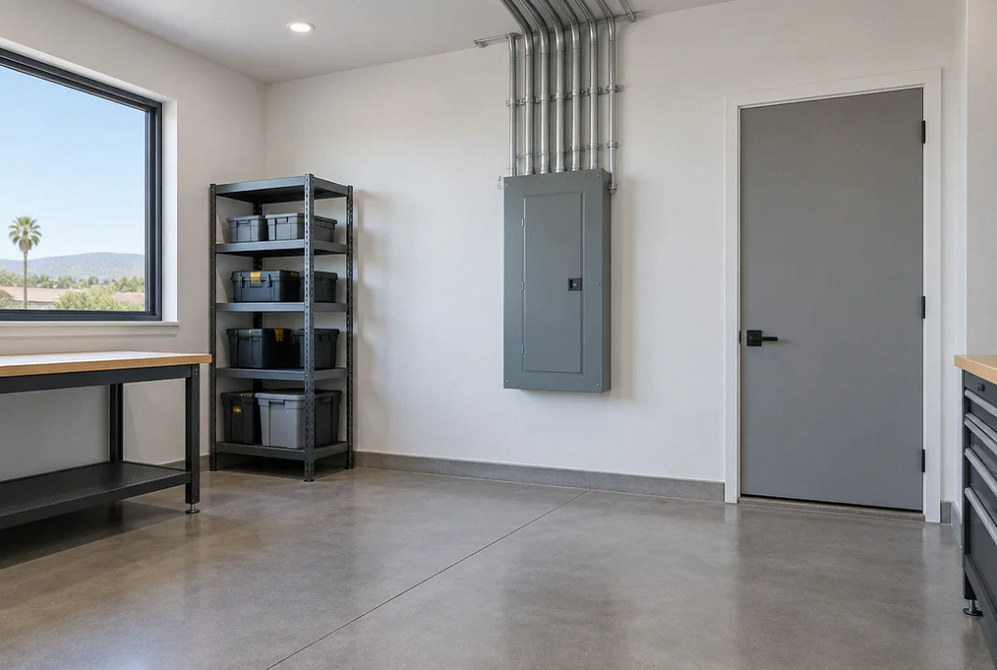
Subpanel Installation
Bring circuits closer to the space you use. Start with available capacity, the feeder route and the equipment your project needs.
What & Why
A subpanel is a second electrical panel supplied from an upstream panel through a feeder: the conductors carrying power between them. It can organize circuits in a garage, addition or accessory dwelling unit (ADU), or provide breaker spaces where the existing panel is full.
Adding a subpanel does not increase the utility service capacity. YKCA starts with the existing supply and proposed loads, then defines the feeder, panel location and circuits as one project.
Power source
Existing panel condition and usable capacity
New loads
Equipment and circuits you want to add
Feeder route
Distance, access and finished surfaces
Panel location
Working access and indoor or outdoor use
Project concepts
Drag the divider to compare before and after, or open a comparison for a closer look.
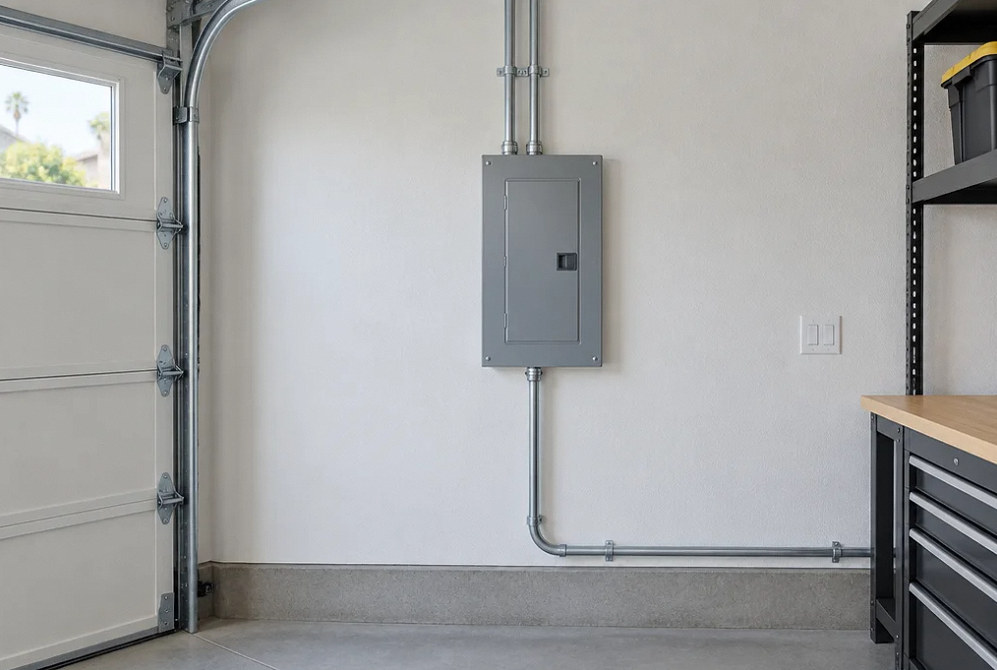
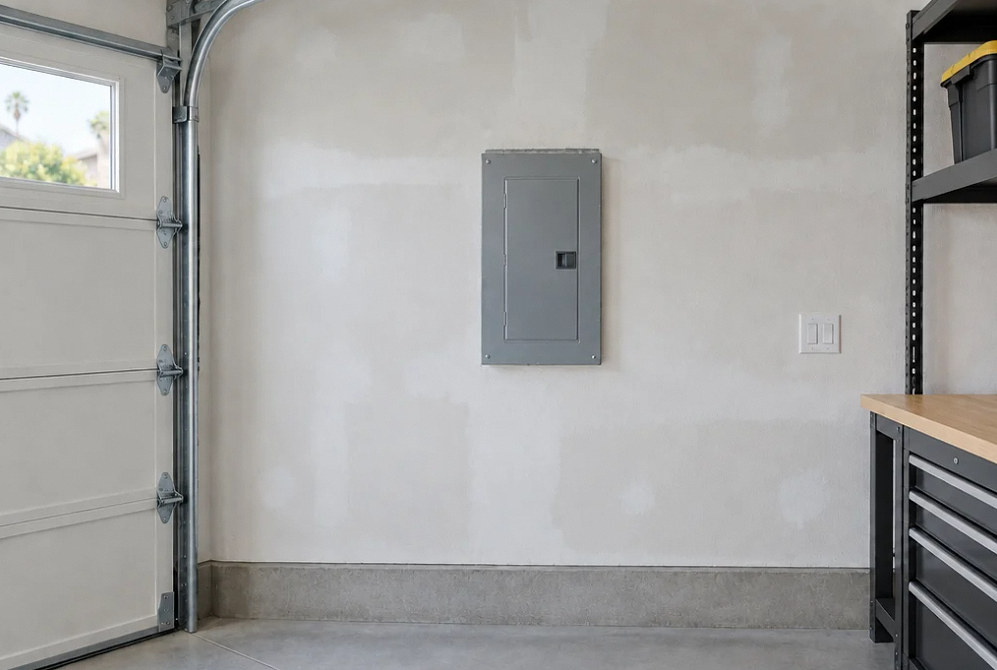
Drag to compare
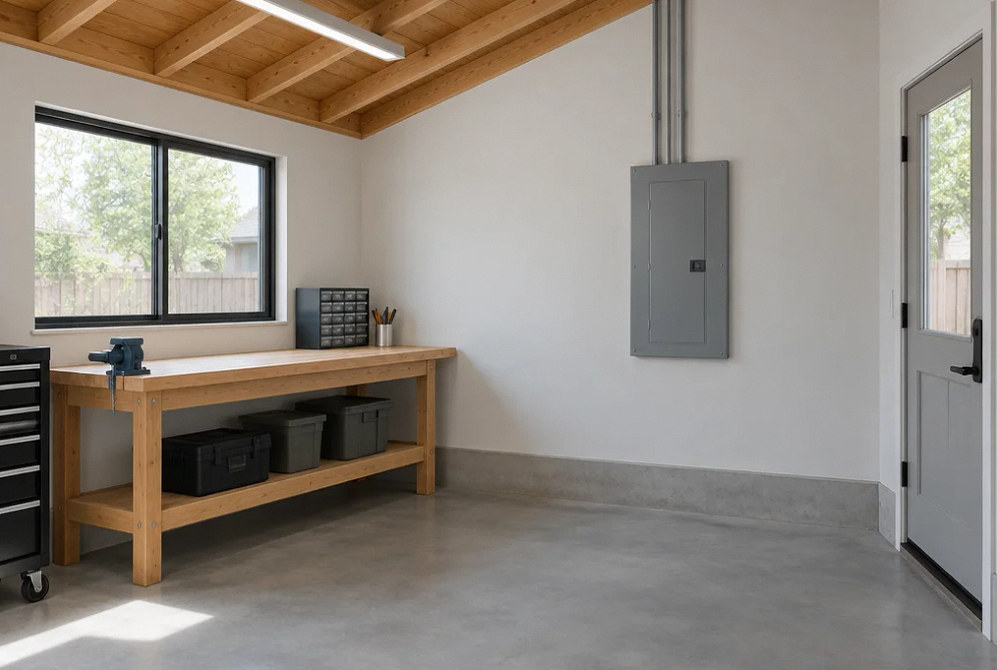
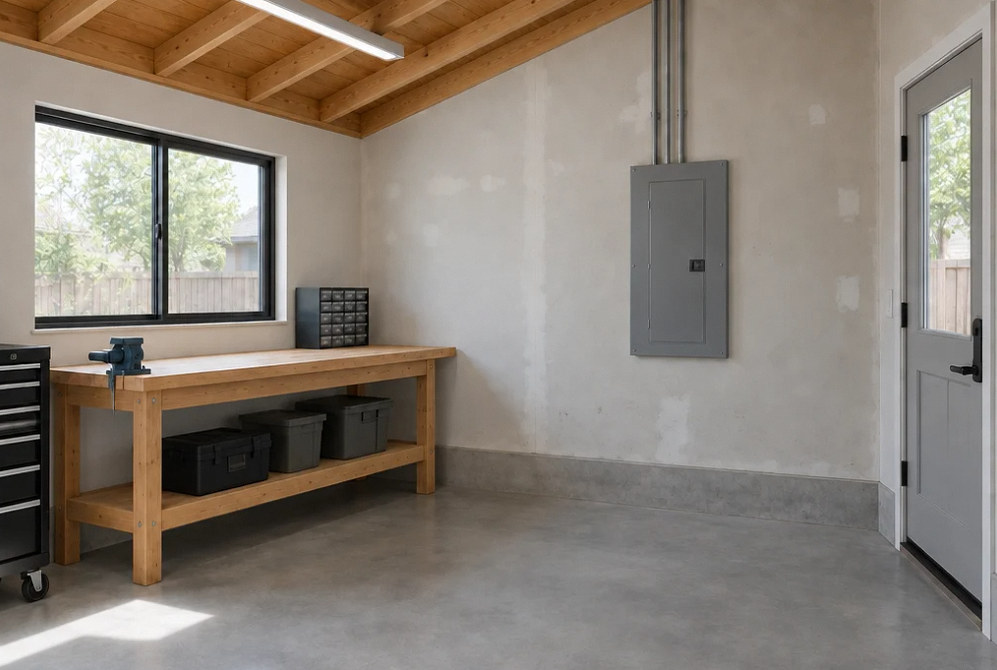
Drag to compare
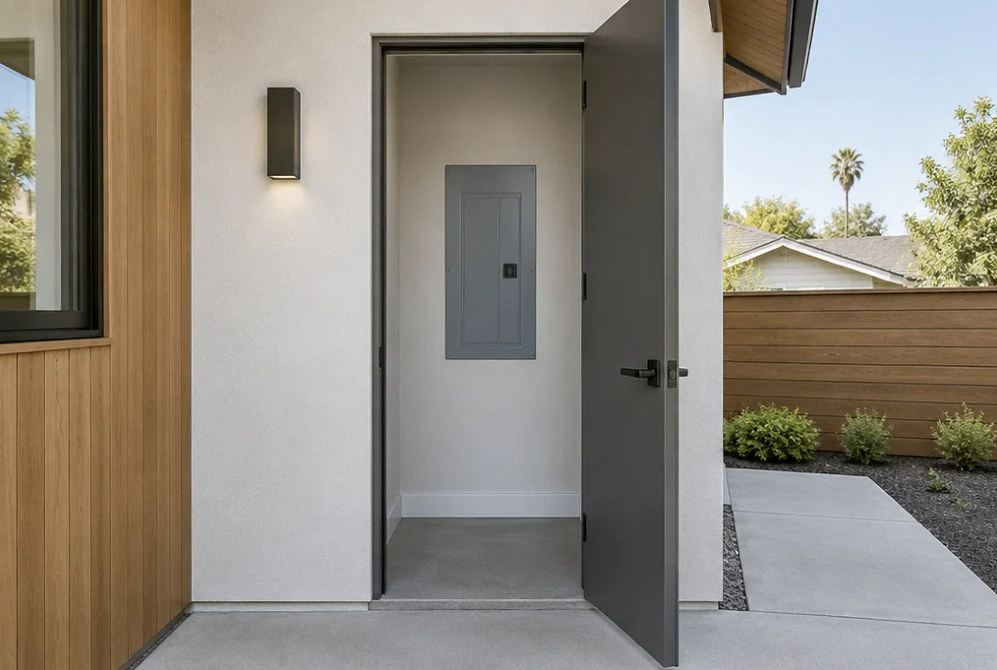
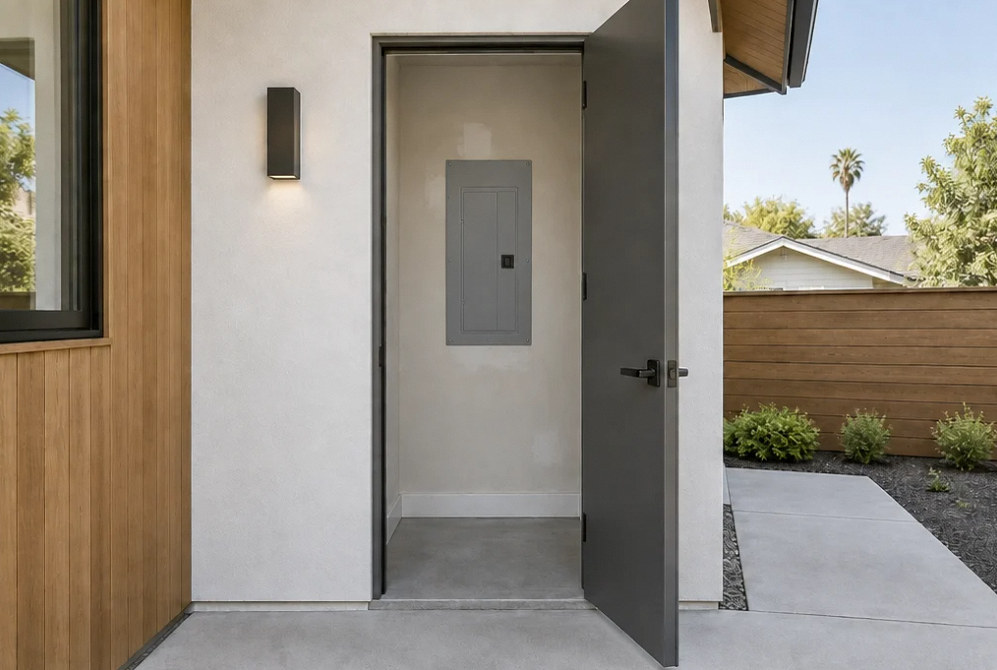
Drag to compare
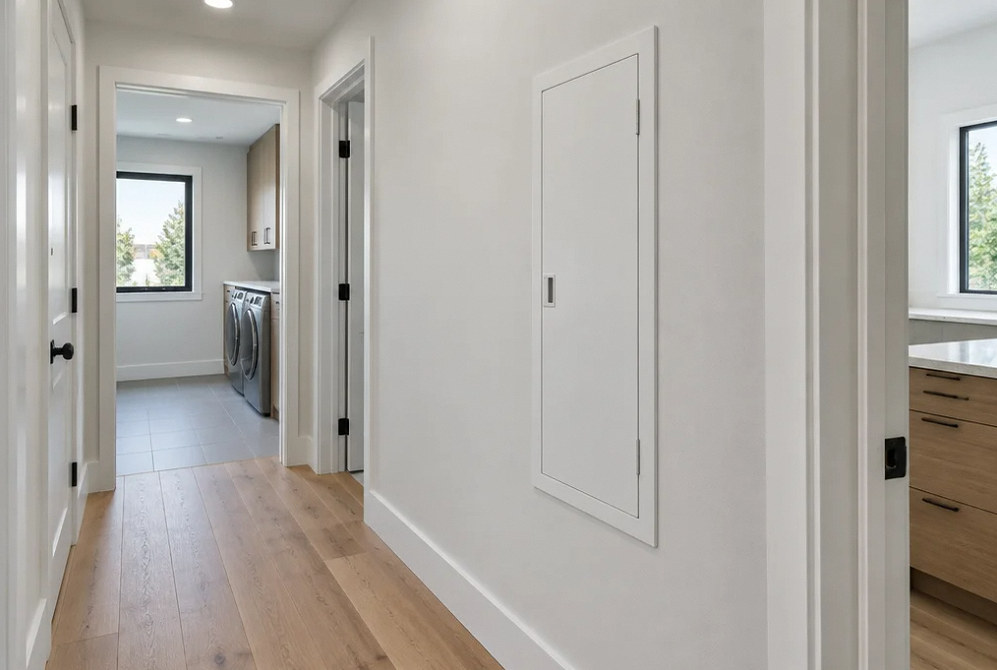
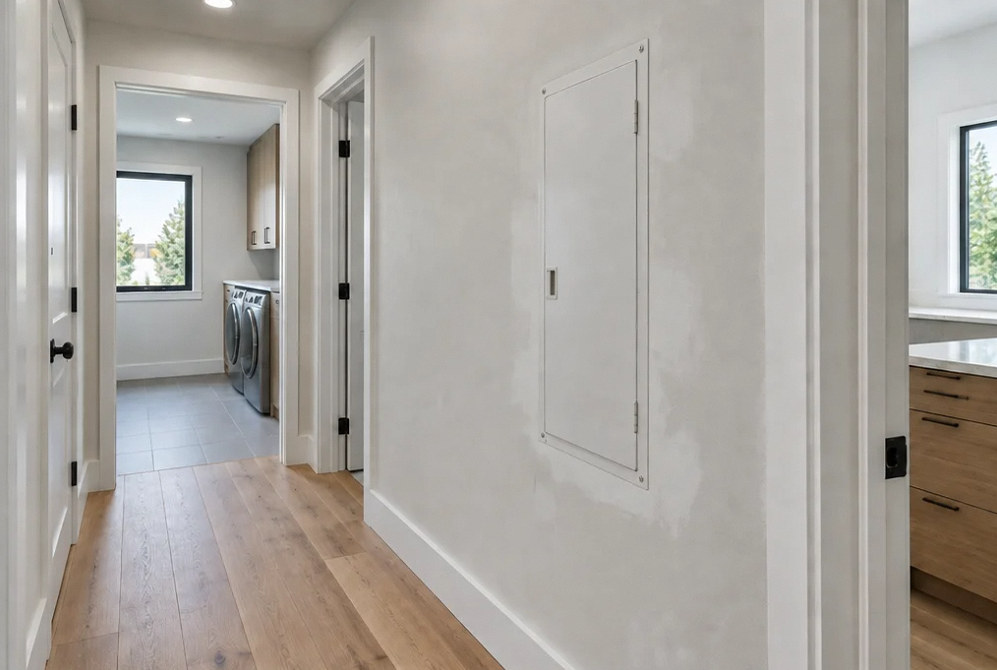
Drag to compare
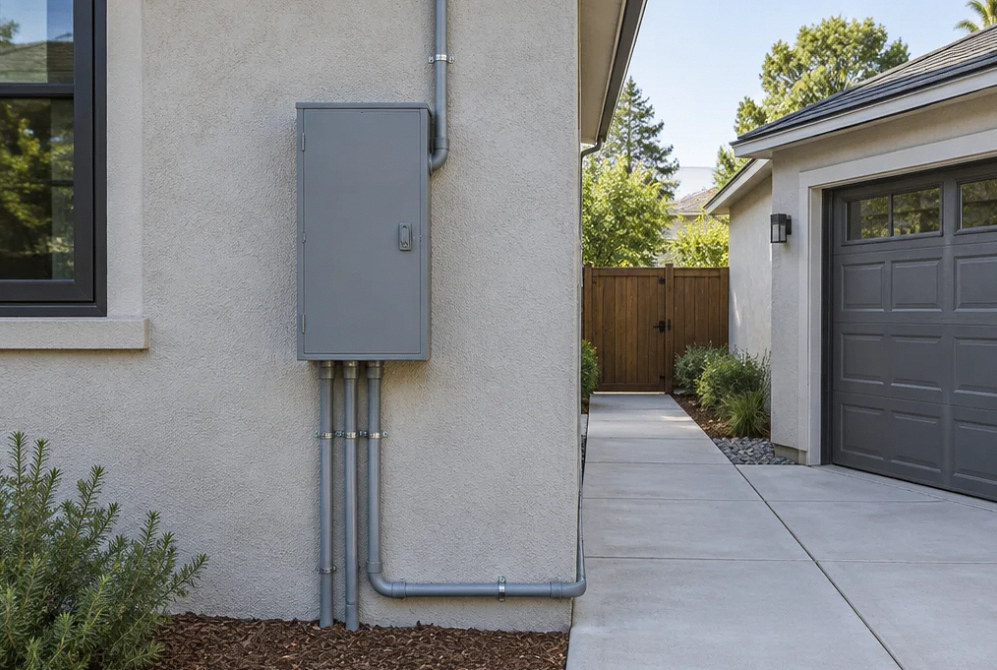
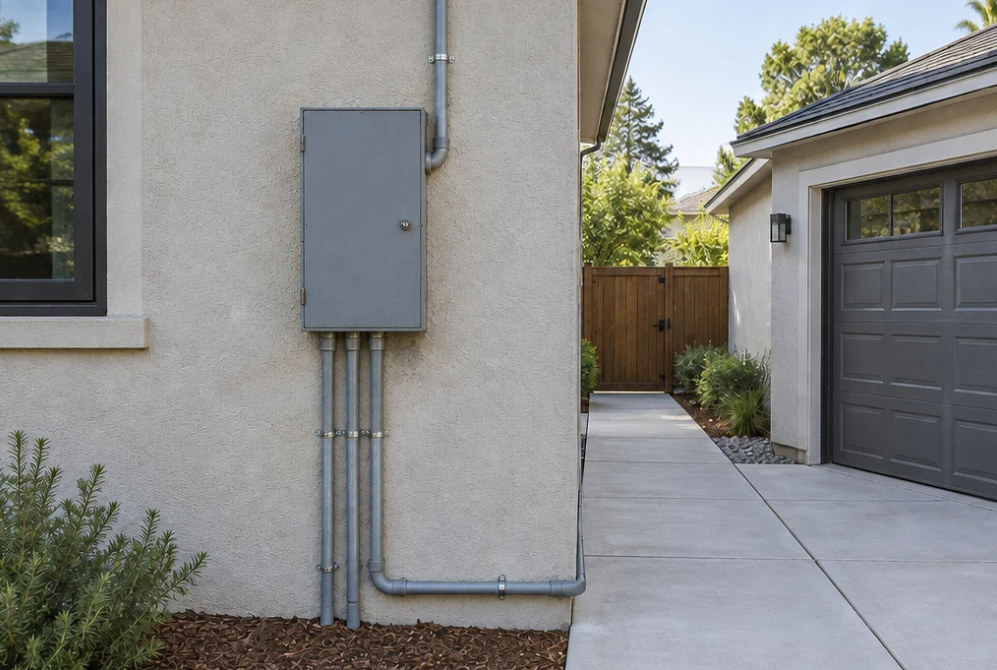
Drag to compare
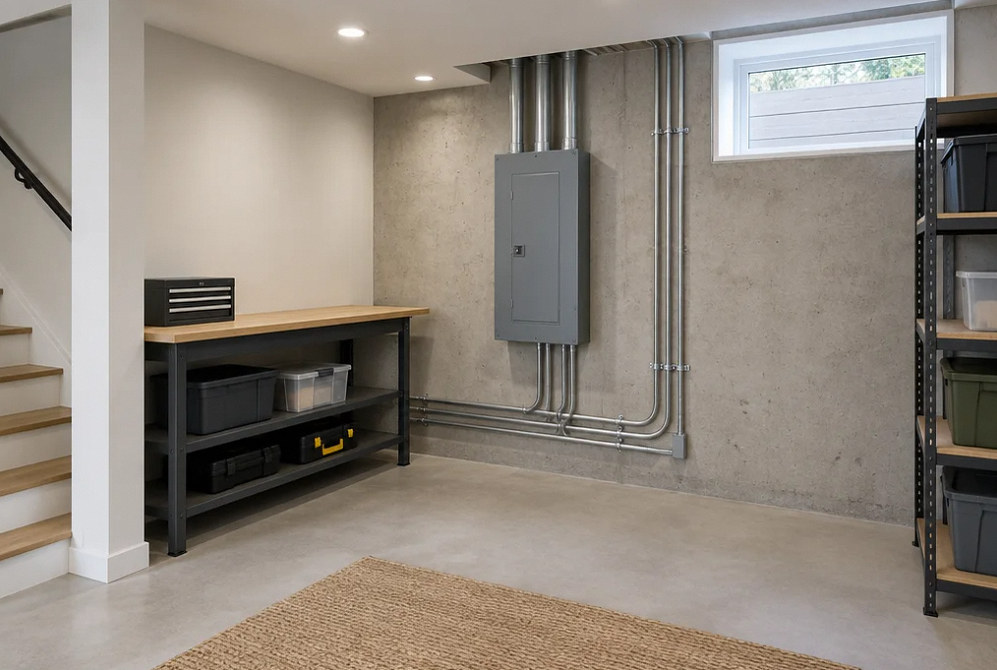
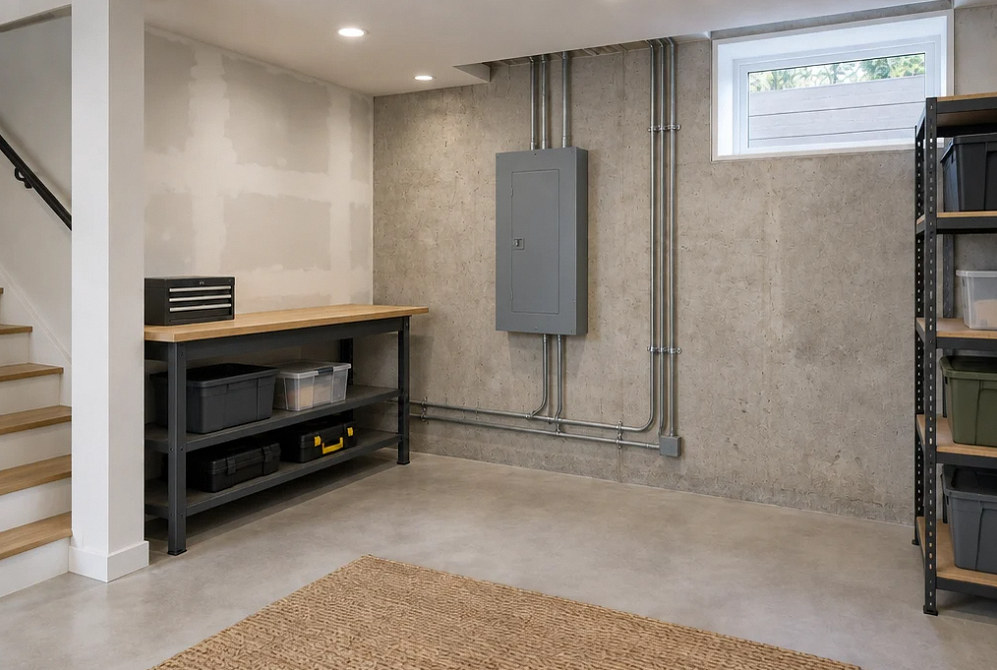
Drag to compare
Project Scope
The written scope connects the power source to the circuits you need.
Review the upstream panel, existing electrical demand and proposed equipment. Empty breaker spaces alone do not establish available capacity.
Confirm the route, length, access and surface repairs. Coordinate conductor selection and protection with the calculated load and installation conditions.
Choose equipment suitable for the location and confirm breaker and accessory compatibility with the specific panel listing.
Coordinate the neutral and equipment grounding arrangement. A subpanel downstream of the service disconnect requires the appropriate separation; detached buildings need their own design review.
Identify local permit and inspection requirements, planned power interruptions and any work that must remain accessible before walls or trenches close.
Include circuit labels, the agreed inspection records and an explanation of spare spaces versus the loads the feeder was designed to serve.
Decisions That Matter
A subpanel may solve a lack of breaker spaces when the upstream system can support the added demand.
Route access, a building disconnect and grounding details can shape the work as much as the panel itself.
Identify likely additions now. Spare spaces are useful, but they do not reserve unlimited power for future appliances.
Before Your Consultation
You do not need to select a panel or feeder size before the assessment.
List the EV charger, tools, appliances, lighting or other equipment, including model information when available.
Identify the proposed panel location, the area it will serve and any driveway, finished wall or landscaping along the route.
Share available panel labels, prior permits and circuit schedules. Photos are a starting point; site verification establishes the final scope.
FAQ
These references explain capacity, equipment and installation principles. Final requirements are confirmed for your property and local jurisdiction.
Your Next Step
Tell us what you want to power and where. We’ll identify the questions to resolve before selecting the subpanel.
Contact Us
Local Services
Choose your city and tell us what you need. We'll plan the project around your location.
Choose your city to include it with your project details.
Or call us to discuss your project:
(650) 550-0819Thank you. Your request has been received.
Contact Us
For More Info!