
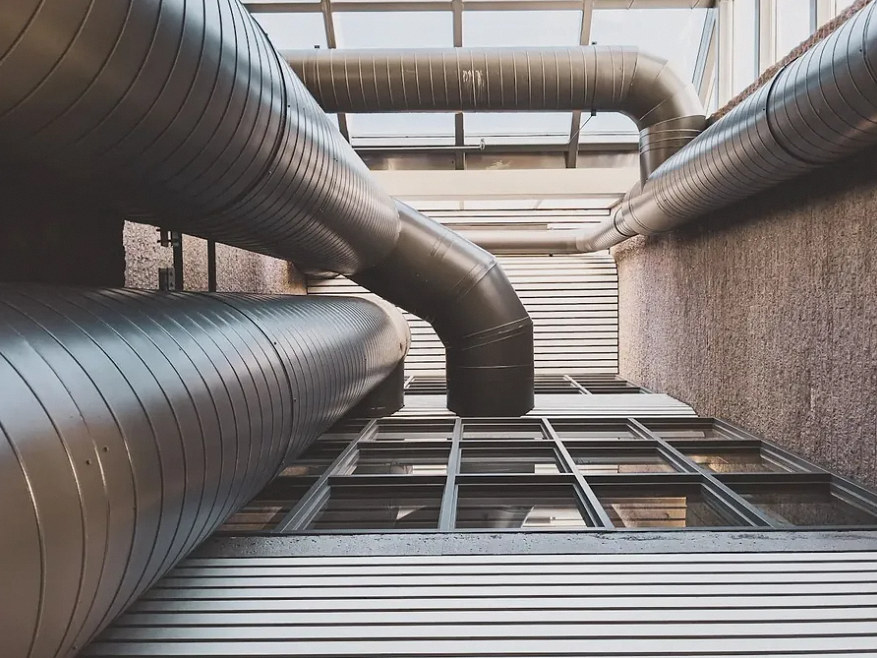
Air Duct & HVAC
Most Houses Do Not Need This. Here Is When Yours Does.
Duct cleaning should follow an assessment of the system and a documented reason for the work. This page explains when an inspection is useful and what to ask before authorizing cleaning or replacement.
Free inspection on restoration work · Licensed C-10 & General B · Answered 24/7
About that flyer on your door.
Ask what the advertised price includes: systems, openings, accessible components, inspection and any additional charges. Request findings from your own system and a written scope before authorizing work. Price alone does not establish whether a provider or proposed service is legitimate.
EPA does not recommend routine duct cleaning and says it has not been shown to prevent health problems. Evidence that cleaning only ducts improves efficiency is limited. Cleaning other fouled HVAC components is a separate question to discuss with a qualified service provider.
Agree on the assessed scope and price before work begins. If concealed conditions change the recommendation, ask for the findings, revised scope and cost before authorizing additional work.
Get these four things in writing first
- Number of supply and return openings included
- Whether the coil, blower, and plenum are in scope
- What equipment is used, and that containment is negative pressure
- The total, and what would ever change it
Restoration concepts
Rebuilding, room by room
Drag the divider to compare before and after, or open a comparison for a closer look.

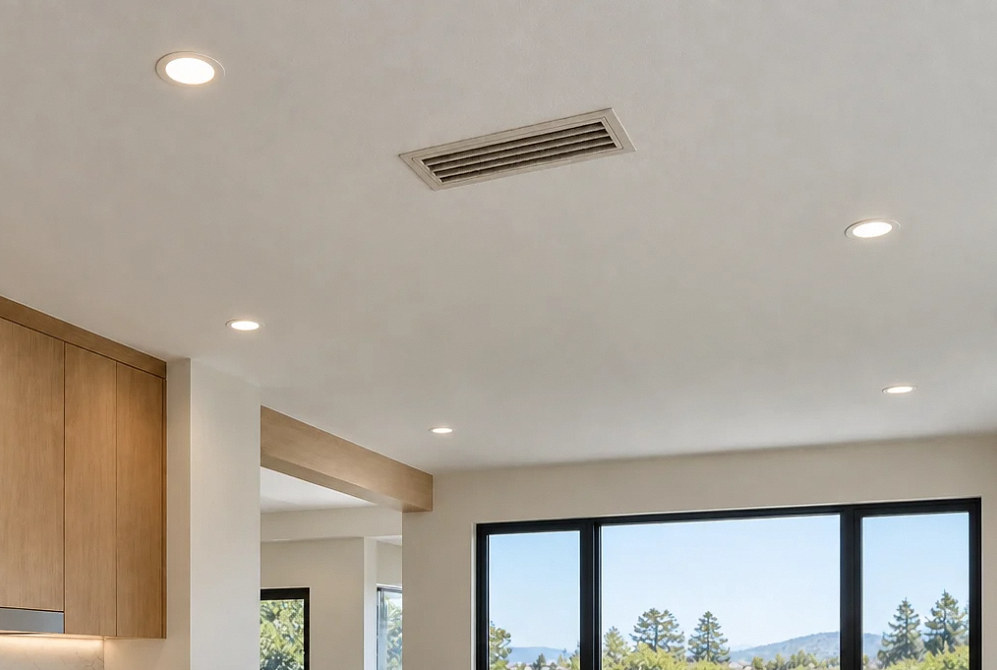
Drag to compare


Drag to compare
Six reasons to inspect the system.
These conditions can justify an inspection. Findings in your own system should determine the work; an event, a calendar interval or an unrelated photograph does not establish a cleaning scope.
The system ran during a fire
If smoke may have entered the system, inspect accessible HVAC components and document the findings. Cleaning or replacement should address confirmed affected components and material condition, rather than assume every duct contains smoke residue.
Mold growth in the system
Visible growth on the coil, in the plenum, or inside flex duct. Common where a condensate drain has backed up or where ducts run through a damp crawl space.
Water got into the ducts
Ducts under a slab or in a crawl space fill from below during a loss, and the fiberglass in flex duct holds it. This is a replacement scope more often than a cleaning one.
Sewage event in the building
A sewage event warrants assessment of potentially affected HVAC components and airflow paths. Document whether contaminated water or debris reached the system before defining cleaning, replacement or operating restrictions; the event alone does not prove that every duct is contaminated.
Rodents or birds in the system
Droppings and nesting material in ductwork are a contamination problem, and the entry point has to be closed or the cleaning is temporary.
Construction dust in open returns
Unprotected returns can admit construction debris. Inspect the affected system after the work and base cleaning on the findings. Plan dust protection with the HVAC or remodeling contractor before construction, including any operating restrictions.
Restoration concepts
A closer look at the finishes
Drag the divider to compare before and after, or open a comparison for a closer look.


Drag to compare
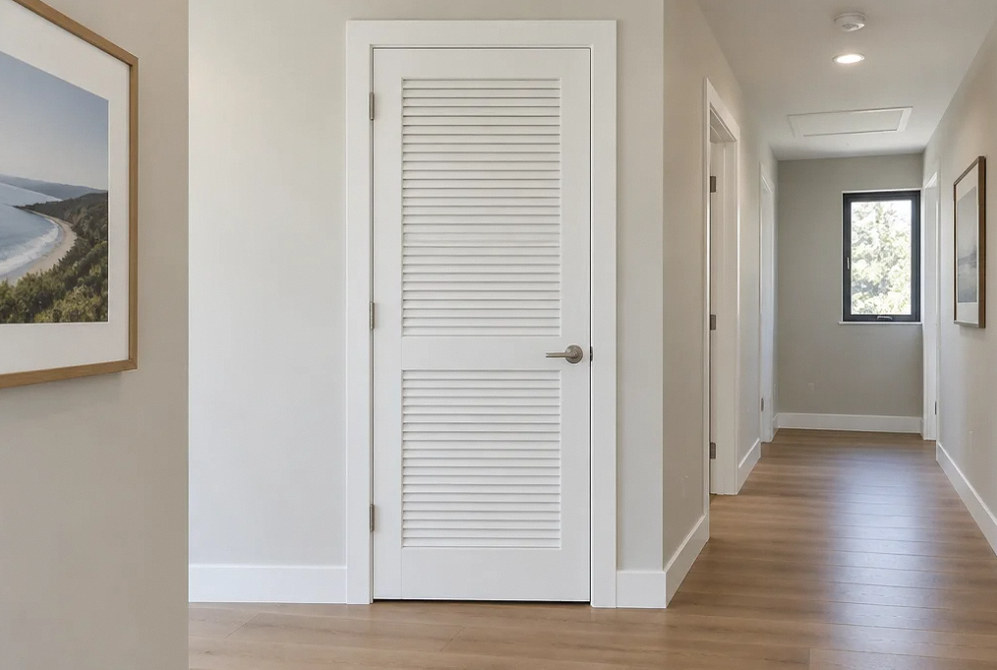
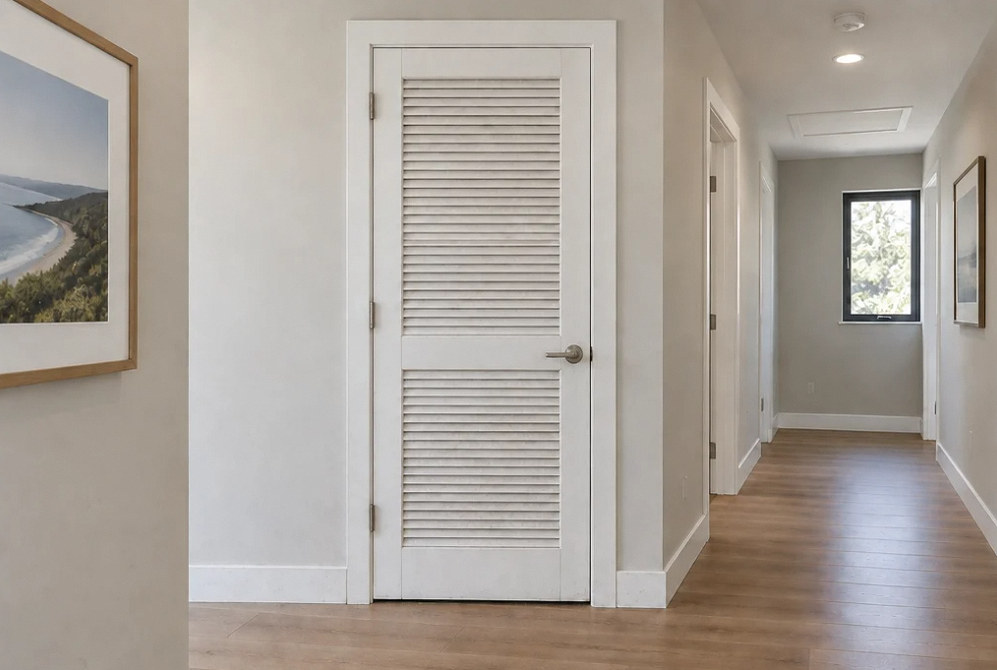
Drag to compare
What a real one involves.
If a quote is missing steps three and four, it is a vent vacuuming rather than a system cleaning, and it will not solve an odor or a contamination problem.
- 01
Contain and go negative
The system is shut down and the ductwork put under negative pressure with HEPA filtration, so debris is pulled into containment instead of pushed into the rooms.
- 02
Agitate and extract
Brushes and compressed air whips work the interior surfaces while the vacuum holds the negative side. Supply and return runs are done individually, not by pulling on one central point and hoping.
- 03
Coil, blower, and plenum
The parts that hold the most and get skipped the most. A cleaned duct feeding a fouled coil accomplishes nothing, which is why a scope that excludes the air handler is not a cleaning.
- 04
Replace what cannot be cleaned
Assess the liner, insulation and contamination before deciding what to retain. Wet or moldy duct insulation should be replaced. The scope should identify each affected component and explain the basis for cleaning or replacement.
- 05
Close the source
The rodent entry, the failed condensate drain, the crawl space moisture. Otherwise you are on a cleaning subscription.
Duct cleaning questions
Next on the same job.
24/7 Emergency Response
Review documented findings and a revised scope before authorizing additional work.
Licensed C-10 & General B · CSLB #1158693 · General Liability Insured
Restoration work
A closer look at the work
Odor removal & duct cleaning · Detailed answers
Questions worth resolving before work begins.
Should I reject any duct quote that increases on arrival?
Not automatically. A real newly documented condition can change scope. Ask for identified evidence, a revised itemized price and an explanation before approving added work. Pressure without a clear finding is a reason to pause.
Read the full guide: A Duct-Cleaning Quote Turned Into a Bigger Job: What to VerifyDoes an odor only when the fan runs mean I need duct cleaning?
Not necessarily. Ask for equipment and source investigation first. The air path may make an odor noticeable without being its source. Cleaning should be tied to identified conditions and a clear scope.
Read the full guide: A Strange Odor Appears Only When the HVAC Runs: Where to StartCan wet insulated ducts simply be cleaned?
EPA advises replacing wet or moldy duct insulation because it cannot be effectively cleaned. First establish which material is affected and where. Bare metal, liners and insulation require distinct assessment and scope decisions.
Read the full guide: Wet or Dirty Insulated Ducts: Clean, Repair or Replace?Should ducts always be cleaned after remodeling?
No blanket rule fits every job. Review the work history and inspect for significant debris or material released into rooms. Cleaning should address documented conditions and be coordinated with completion of dusty work.
Read the full guide: Construction Dust After a Remodel: When to Inspect the HVAC SystemCan I use an ozone generator while people are home?
No. EPA warns that ozone can harm the lungs. Do not use an ozone-generating air cleaner in an occupied home, and do not rely on smell or an online timer to determine safe exposure or re-entry.
Read the full guide: Thinking About Ozone for Smoke or Pet Odor? Review the Source FirstContact Us
Request A Consultation
Local Services
We're in your city.
Choose your city and tell us what you need. We'll plan the project around your location.
Choose your city to include it with your project details.
Or call us to discuss your project:
(650) 550-0819Request received
Thank you. Your request has been received.
