
Drying and equipment · 5 min read
Fans, Dehumidifiers, and Air Scrubbers: What Each One Does
Understand the different jobs of restoration equipment and ask how the setup will reach wet materials and verify progress.
YKCA · References checked 2026-09-27
Start with the essentials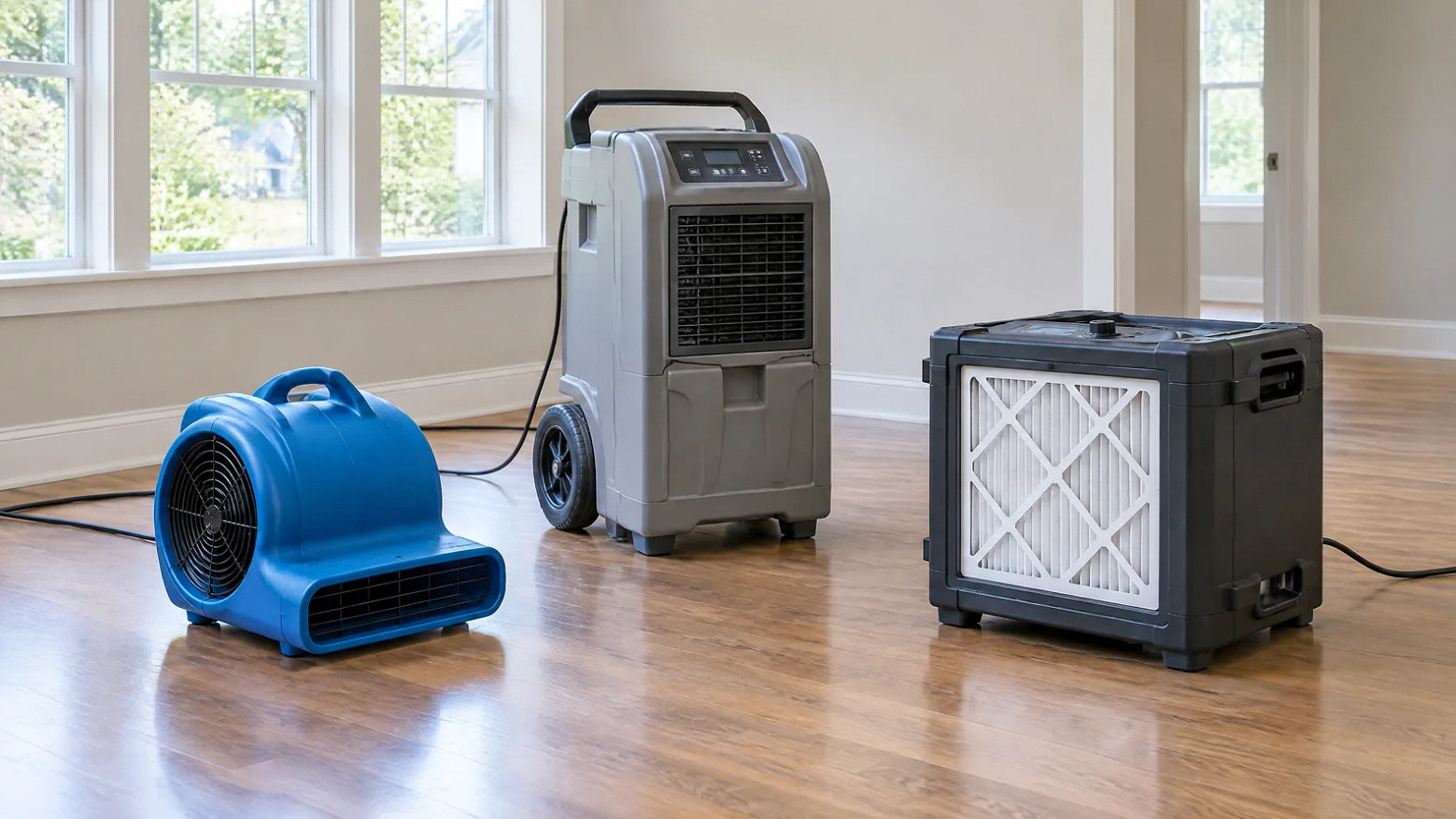
At a glance
Three things to keep in view.
Separate the jobs
Air movers support evaporation, dehumidifiers remove water vapor, and air scrubbers filter particles. Identify which task each machine serves in the plan.
Follow the wet material
Connect equipment placement to the layer being dried and the planned measurements. A visible machine count cannot resolve questions about inaccessible areas.
Agree on operation
Keep the instructions for drainage, alarms, overnight use, and interruptions together. Request layout changes through the crew instead of rearranging the setup.
The key point
Ask what each machine is doing, which wet materials it serves, and how the contractor will measure progress. Moving air, removing moisture, and filtering particles are separate tasks. A room full of equipment is useful only when the setup addresses the actual damage and the team checks its results.
Several machines can make the same room feel noisy, warm, and crowded while performing different jobs. Understanding those jobs helps you discuss the plan without trying to design a drying system yourself.
Start with a room sketch and a plain-language explanation. Ask the contractor to identify the equipment, the affected areas, and the next inspection. You should be able to connect each part of the setup to a particular purpose.
Air movement, moisture removal, and filtration do different jobs
Water at an exposed wet surface can evaporate into the surrounding air. An air mover replaces the humid air immediately beside that surface, helping evaporation continue. The resulting water vapor still needs a way out of the drying area; a fan alone does not collect it.
A refrigerant dehumidifier draws air across a cold coil, where moisture condenses into liquid water for drainage. In a common desiccant design, water vapor attaches to a moisture-attracting material, a process called adsorption. A separate heated airflow releases and carries that collected moisture away. Follow each unit’s specified drainage and ducting connections.
An air scrubber with a HEPA particle filter captures airborne particles. It does not remove water vapor as a dehumidifier does. Likewise, drying does not establish that a contaminated surface is clean. These separate jobs explain why different machines may be present together.
Have the equipment list identify each machine by type and purpose, so you can connect the plan and invoice to the actual setup.
Airflow must reach the wet material
Water can remain beneath a floor covering or behind a cabinet even while exposed surfaces improve. Layers and finishes can restrict the path by which moisture escapes. A machine in the middle of a room does not, by its location alone, establish that every affected layer is being served. The assessment should identify those layers and explain access or other limits.
For example, imagine a dishwasher leak with a dry-looking floor above a damp layer. The useful discussion is whether the lower layer has been assessed and can be dried using the proposed method. Counting visible fans would not answer that question.
- Which locations will be checked again?
- What remains hidden or inaccessible?
- What finding would lead you to change the setup?
Sources for this section
Mold Remediation in Schools and Commercial Buildings Guide: Chapter 3
Confirm that air movement is appropriate
A drying discussion changes when water may be contaminated or mold is present. EPA advises against fan use before determining that water is sanitary, and against ordinary fan drying that would spread existing mold. Ask how this assessment affected the plan.
If equipment includes a filter, hose, or temporary barrier, ask what it is intended to control. Do not disconnect hoses, open barriers, or move machines to improve a breeze elsewhere in the house. Request a layout change from the crew.
Sources for this section
Table 1: Water Damage – Cleanup and Mold PreventionText Version of the Flooded Home
Material readings show progress better than machine noise
A running motor proves little about the condition of a wall. Repeated material measurements help show whether the affected locations are approaching the intended drying goal. Air humidity is a separate measurement. Water collected by a dehumidifier may decrease as conditions change, so a smaller amount in the drain is not, by itself, proof of failure or completion.
At each planned visit, review which areas improved, which still need work, and what changed. Keep equipment IDs, installation and removal dates, and reported interruptions. Leave technical readings to the agreed assessment process: a display photograph needs its material, location, and method to be interpretable later.
Sources for this section
Mold Remediation in Schools and Commercial Buildings Guide: Chapter 3Frequently Asked Questions
Get operating instructions before the crew leaves
Ask who checks the drain, who responds to alarms, and what you should do if equipment stops. Confirm the overnight plan and the emergency contact. Manufacturer requirements vary, so a blanket instruction to leave every device running indefinitely is inadequate.
Tell the crew about blocked routes, pets, sleeping arrangements, and any difficulty reaching essential rooms. These are practical details to resolve during setup. Agree on which observations you should report and which adjustments are reserved for the contractor.
Sources for this section
Common questions
Would adding more fans make the job finish faster?
Ask what problem an additional fan would solve and which measurement would show improvement. The decision needs to consider affected materials, access, contamination, and the existing setup. More equipment is not, by itself, evidence of a better plan. Request an explanation before authorizing an added charge.
Does an air scrubber mean the room is safe to occupy?
Its presence does not establish that. Ask what contamination was identified, what cleanup remains, and whether occupants can use the area during work. Filtration is one part of a plan; it is not an occupancy decision or proof that all affected materials have been addressed.
Sources and further reading
References checked 2026-09-27. Guidance depends on the loss, affected materials, scope of work and property conditions.
- Mold Remediation in Schools and Commercial Buildings Guide: Chapter 3
- DryMAX XL Pro | XL LGR Dehumidifier Owner's Manual
- What is a HEPA filter?
- Dehumidification with Munters desiccant rotor technology
- Table 1: Water Damage – Cleanup and Mold Prevention
- Text Version of the Flooded Home
- Frequently Asked Questions
Discuss the next step for your property.
Share what happened, which areas are affected and the decisions you need help with.
Discuss water damage restorationRelated decisions
Drying and equipment · 5 min read
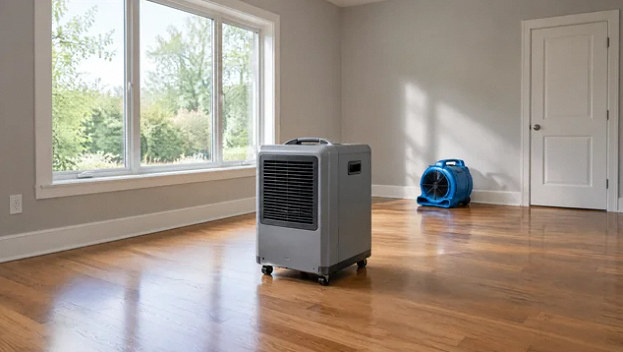
Should You Open Windows or Turn Off Drying Equipment?
Plan for heat, noise, windows, and equipment interruptions during water damage drying, with clear instructions for overnight operation.
Read the guide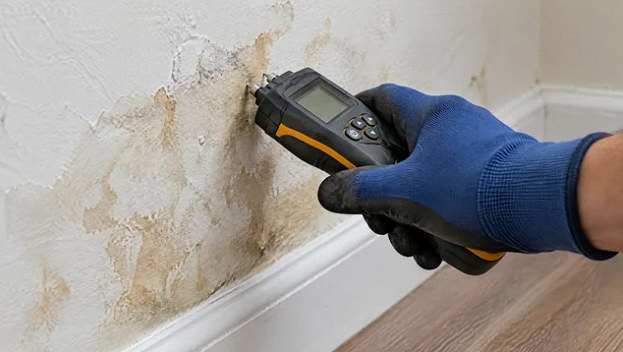
First decisions · 4 min read
Hidden Moisture: What Meters and Thermal Cameras Can Tell You
Learn how to read a moisture report, distinguish instrument scales, and ask useful questions about concealed walls, floors, and ceilings.
Read the guide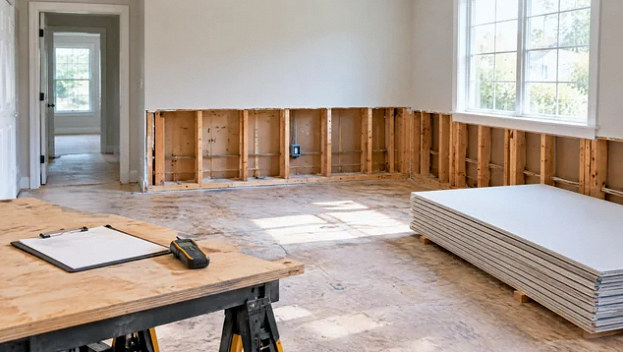
Materials and repairs · 5 min read
Before Rebuilding: How to Review the Drying Handoff
Ask for final material readings, remaining limitations, source-repair records, and a clear handoff before new finishes cover the work.
Read the guide