
First decisions · 5 min read
A Musty Smell After Water Damage: What to Investigate
Use a location and timing record to discuss persistent odors, hidden moisture, useful inspections, and the limits of mold testing.
YKCA · References checked 2026-09-27
Start with the essentials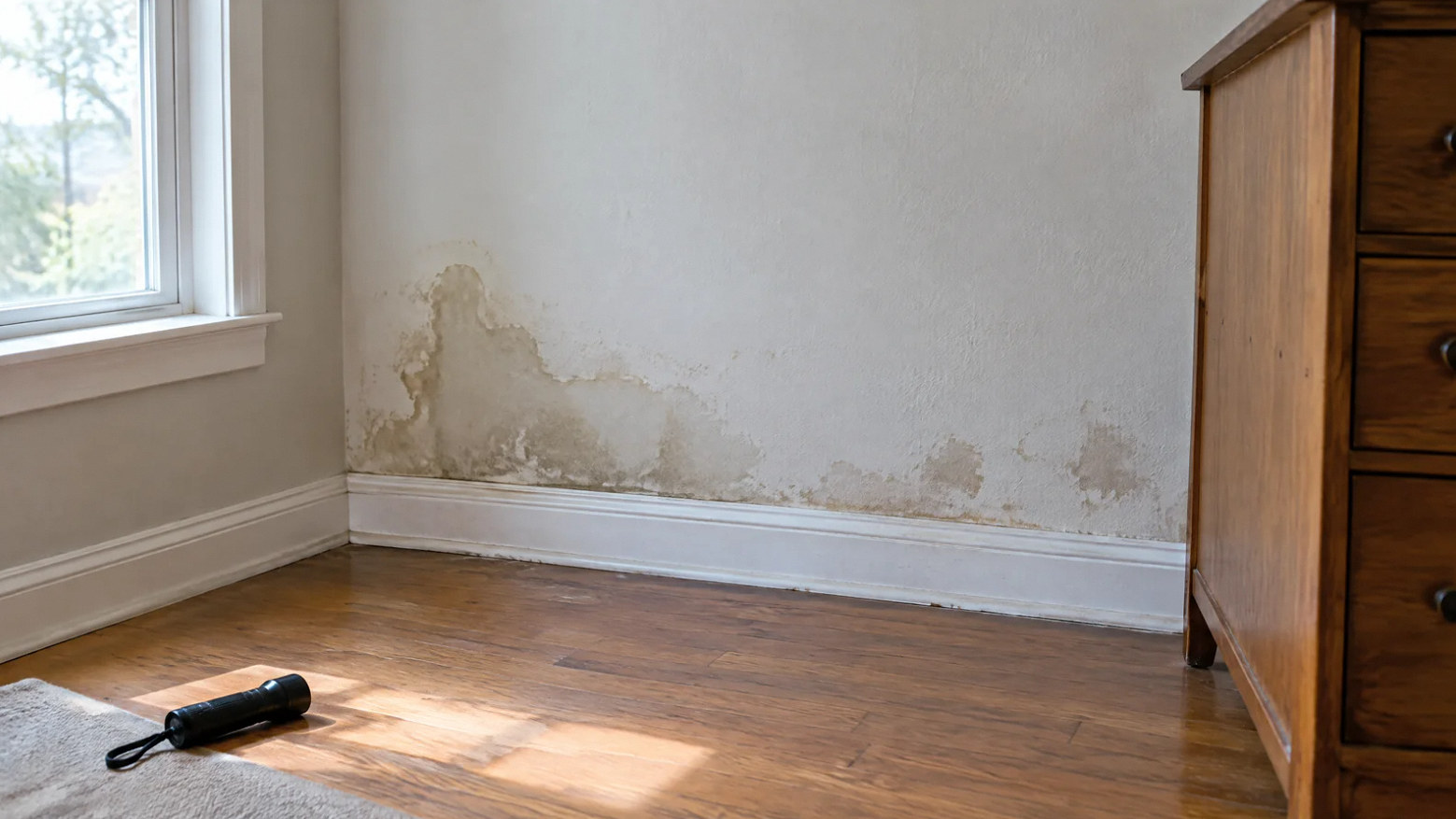
At a glance
Three things to keep in view.
Describe the pattern
Write the location, timing, and nearby activity without assigning a cause. A smell after a shower is an observation, not a confirmed leak.
Define the test question
Before paying for sampling, establish what its result could change. Include the limits of the test and who will interpret the findings.
Track the result
Keep the source finding, completed work, and unresolved questions together. Fragrance or a treatment receipt cannot explain whether those separate tasks occurred.
The key point
A persistent musty smell deserves investigation, but smell alone cannot identify its cause or extent. Record where and when it occurs, review the water history, and ask what inspection would answer the remaining questions. Avoid covering the odor with fragrance or accepting a reassuring air reading as the whole assessment.
The visible water is gone, yet one closet or corner still smells different. You may be unsure whether to call the plumber back, request another drying visit, or pay for testing. Start by organizing what you have observed and what was actually checked.
A useful next visit has a defined question. It might be whether the original leak continues, whether a particular material remains wet, or whether an inaccessible area needs a more detailed investigation.
Odor, color, and elapsed time do not identify the problem
EPA identifies a moldy smell without a visible source as a reason to consider hidden mold. That makes odor an observation worth reporting, not a way to identify a mold species, judge toxicity, or determine how much material must be removed.
Do not use a dark color, a fuzzy appearance, or the day a patch became visible to name a mold species or declare it harmless. The 24–48-hour drying guidance is a reason for prompt action, not a biological stopwatch. It cannot establish when growth began or which organism is present. Photograph visible changes from a safe position and report them without assigning a diagnosis.
Use ordinary descriptions and a location: strongest at the closet doorway, noticeable after rain, or newly present after equipment removal. If you smell gas or suspect a gas leak, leave and contact emergency authorities; do not treat that as a routine odor investigation.
Keep a short observation record
A consistent record is more useful than checking every few minutes. Note the date, location, recent weather, recent plumbing use, and whether equipment or HVAC was operating. Add a photograph of a visible change from a safe position.
Keep observations separate from interpretations. For example, write that the odor was stronger after a shower, rather than declaring that the shower drain is leaking. The first statement gives the investigating professional something to evaluate without steering the visit toward an unconfirmed conclusion.
- Where is the smell strongest?
- When did it first appear or return?
- What changed around the same time?
- Which areas were previously inspected?
Sources for this section
A localized smell needs a localized investigation
Send the original leak history and drying records to the professional you contact. Ask whether the next step concerns the water source, material moisture, affected belongings, or possible contamination. Different questions may need different expertise.
Imagine that the room air readings improved but the smell remains near a cabinet. Ask whether the cabinet base and adjacent layers were assessed, and what evidence would justify further access. Do not pull trim, lift flooring, or open a wall solely to follow the smell; suspected hidden mold requires care when disturbed.
Testing is useful when it answers a defined question
Before purchasing an air test, ask what question it is designed to answer and what action would follow each possible result. EPA notes that visible mold often does not require sampling, and poorly planned sampling can be misleading.
Request an explanation of the test's limits in the same discussion as its price. Who selects the locations? Who interprets the result? Would it locate a moisture source or answer a different question? A report is useful when its findings connect to a clear next decision.
Sources for this section
Mold Remediation in Schools and Commercial Buildings Guide: Chapter 3
Killing mold and removing contamination are different steps
A product intended to kill mold does not make the remaining material disappear. EPA explains that dead mold can still cause allergic reactions, so killing alone is insufficient. Cleaning and removal address contamination; drying and source repair address the moisture conditions. A treatment receipt does not establish that all of those tasks occurred.
Fragrance can change how a room smells without explaining its condition. Ask what source was found, what work addressed it, and what remains uncertain. Painting should not hide unresolved damp or moldy surfaces. Arrange a follow-up contact if odor returns, and keep the work description, photographs, and readings together rather than repeatedly applying products.
Sources for this section
Mold Cleanup in Your HomeA Brief Guide to Mold, Moisture and Your Home
Common questions
Does no visible mold mean nothing is wrong?
It does not settle the question. Explain the water history and persistent odor, then ask what hidden areas warrant assessment. The response should identify a reasonable investigation and its limits. A photograph of a clean-looking wall cannot establish the condition of every layer behind it.
Sources for this section
Can a low humidity reading rule out a remaining problem?
An air reading answers a different question from an assessment of building materials. Ask where the reading was taken and what material checks were completed. Use the result as one part of the record, rather than treating one number as an explanation for a persistent smell.
Sources for this section
Mold Remediation in Schools and Commercial Buildings Guide: Chapter 3
Sources and further reading
References checked 2026-09-27. Guidance depends on the loss, affected materials, scope of work and property conditions.
Discuss the next step for your property.
Share what happened, which areas are affected and the decisions you need help with.
Discuss water damage restorationRelated decisions
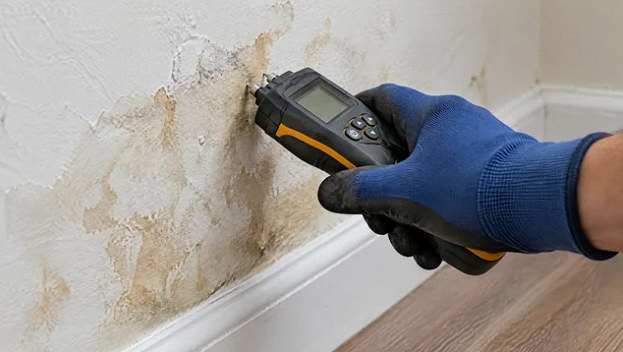
First decisions · 4 min read
Hidden Moisture: What Meters and Thermal Cameras Can Tell You
Learn how to read a moisture report, distinguish instrument scales, and ask useful questions about concealed walls, floors, and ceilings.
Read the guide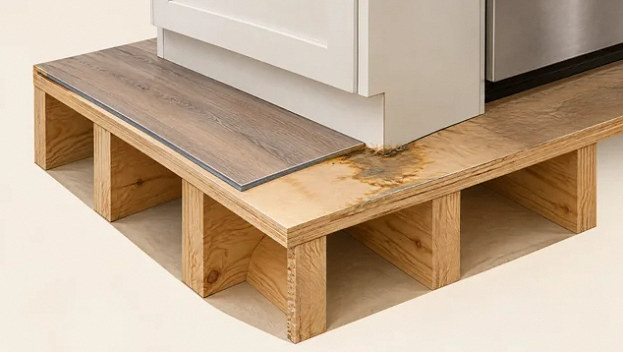
Materials and repairs · 5 min read
Water Under Vinyl, Tile, and Cabinets
A homeowner's guide to questions about concealed floor layers, cabinet areas, access, and the handoff from drying to repairs.
Read the guide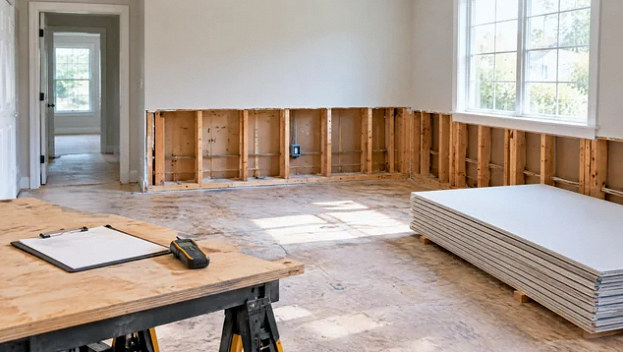
Materials and repairs · 5 min read
Before Rebuilding: How to Review the Drying Handoff
Ask for final material readings, remaining limitations, source-repair records, and a clear handoff before new finishes cover the work.
Read the guide