
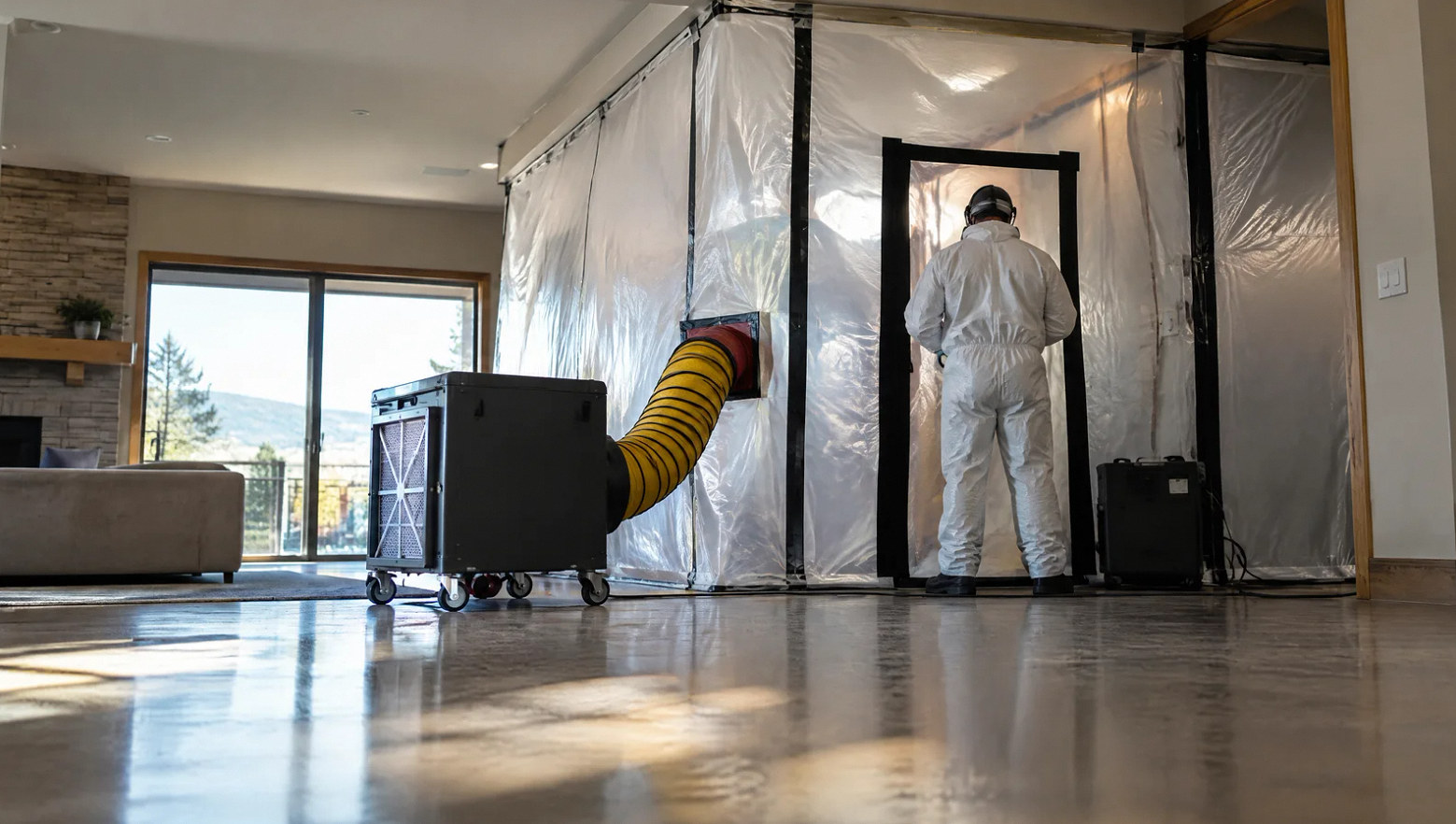





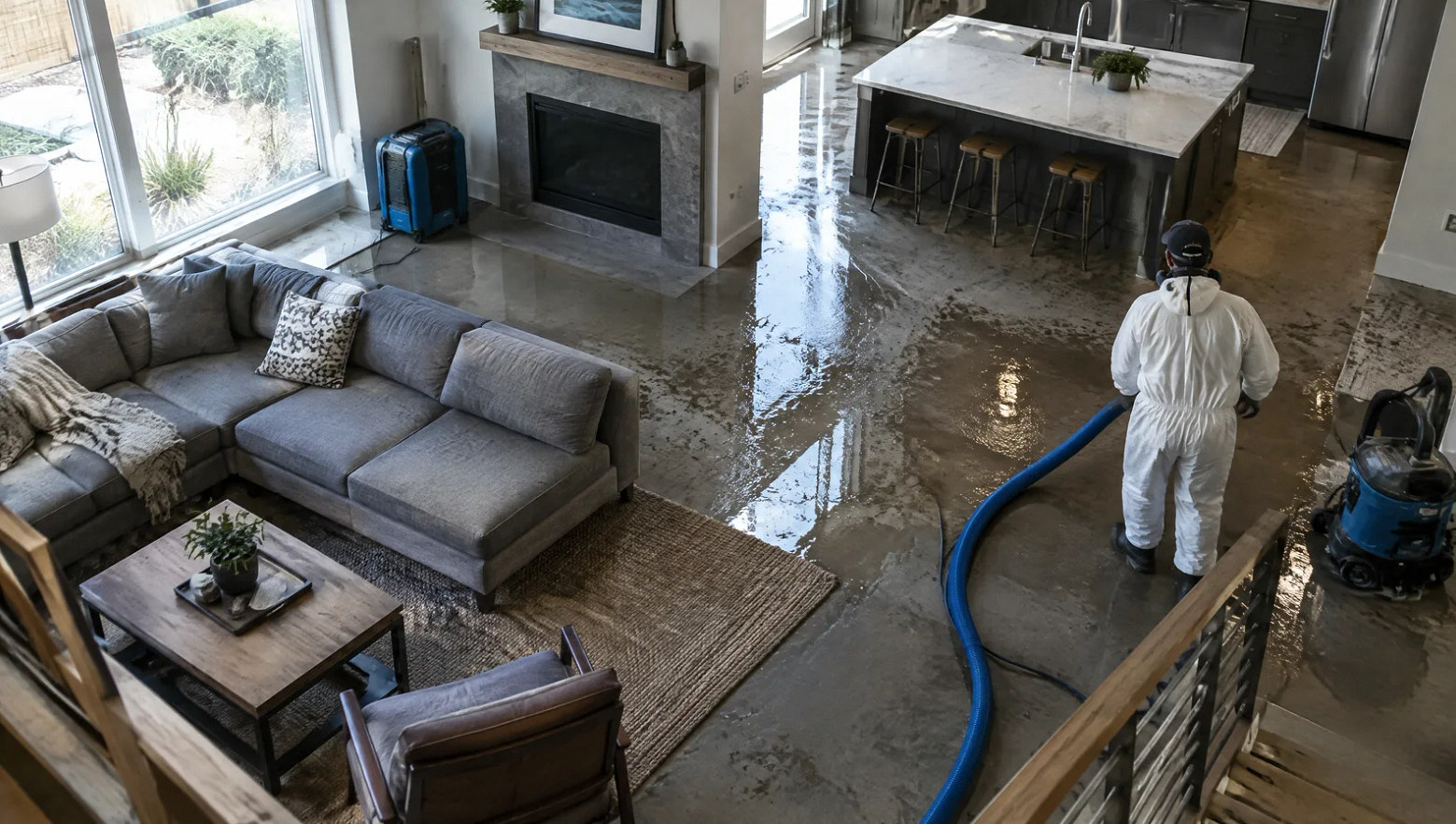
Containment and negative air established for a Category 3 cleanup — illustrative service image

Sewage & Category 3

Stay Out Of The Room. Turn The HVAC Off.

Those are the two things that matter before anybody arrives. Everything else on this page is what has to be removed and why, and the coverage question that catches most households out.

Free inspection on restoration work · Licensed C-10 & General B · Answered 24/7

Category is about contamination, not about how much water there is.

A teaspoon of Category 3 outranks a flooded room of Category 1. The category is what decides the protective equipment, the containment, and what is allowed to stay in the building.

Category 1

Clean water

Water from a sanitary supply can become contaminated after contacting building materials or other sources. Assess the actual conditions before deciding what can be cleaned, dried or retained.

The source, surfaces contacted and site conditions need an on-site assessment. Elapsed time alone does not establish that water is safe, and a short drying interval is not proof that affected materials are clean.

Category 2

Grey water

Dishwasher and washing machine discharge, a toilet overflow with no solids, aquarium water. Contains contamination that can cause illness on contact or ingestion.

Material decisions depend on the contamination, construction, condition and feasibility of adequate cleaning. Time is one assessment factor, not a rule that automatically changes the category or establishes that carpet can be saved.

Category 3

Black water

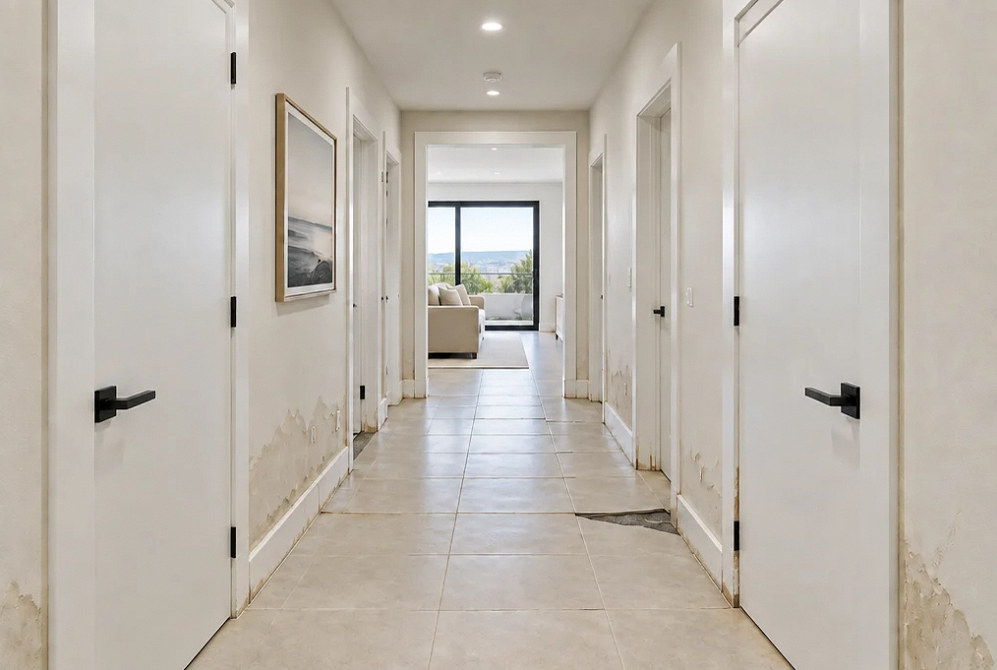
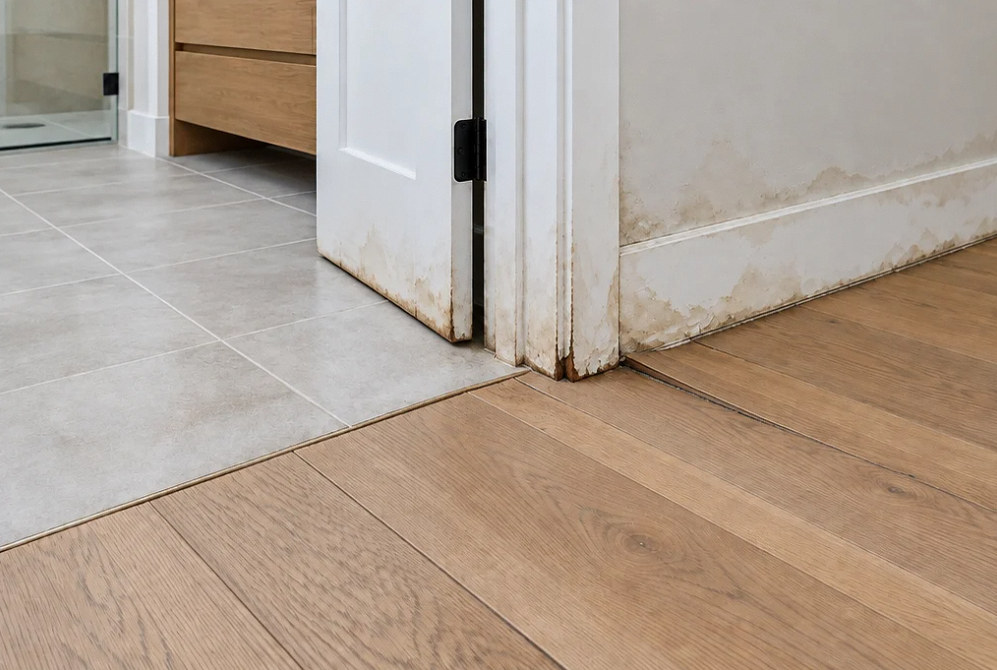
Sewage backups and floodwater can contain hazardous contamination. Assessment should consider the source, surfaces contacted and site conditions; appearance and elapsed time alone do not establish the contamination category.

Grossly contaminated. Porous material that absorbed it is removed rather than cleaned, and the area is contained before anybody starts.

What comes out, and what can stay.

This is decided by whether a material can be verified clean afterwards, not by how bad it looks. It is also why the estimate on a Category 3 loss is higher than the water volume suggests.

Removed and disposed of

  • Carpet and carpet pad in the affected area
  • Upholstered furniture and mattresses that wicked
  • Particleboard and MDF cabinet boxes and toe kicks
  • Affected drywall, cut back above the wet line, and the insulation behind it
  • Food, paper goods, cosmetics, and anything porous stored on the floor
  • Laminate flooring and its underlayment

Potentially retained after assessment

  • Tile, stone, concrete and grout where adequate cleaning is feasible
  • Solid hardwood only after contamination, condition and assembly assessment
  • Accessible metal, glass and hard plastics that can be adequately cleaned
  • Framing and subfloor only where adequate cleaning, drying and structural condition are confirmed
  • Clothing and linens assessed for an appropriate laundering or disposal method
  • Cabinetry assessed for concealed contamination and cleanability of all affected layers

Everything discarded is photographed and itemized before it leaves, because a contents claim rests on that list. Do not clear anything out yourself first, however unpleasant it is to leave in place.

Stay Out Of The Room. Turn The HVAC Off. — illustrative service image

Check This Tonight

Check sewer-backup coverage and limits.

Ask your insurer which policy provisions and endorsements apply to sewer or drain backup, including limits and exclusions. Coverage and endorsement costs vary. Review the actual policy, not just the declarations page, and do not assume coverage added later will apply to an existing loss.

How we document a claim

Sewage backup questions

No, and this is the one place on this site where we will not soften the answer. Category 3 water carries bacteria, viruses, and parasites, a household mop spreads it, a wet vacuum aerosolizes it, and the contamination is already in material you cannot see. The correct move is to keep people and pets out of the area, shut off the HVAC so it stops distributing air from that space, and call somebody with containment and the right protective equipment.

Sewage-affected carpet and pad can hold contamination even when the surface looks clean. Porous materials that cannot be adequately cleaned need removal. The assessment should document affected layers, removal boundaries and the reason each material is retained or discarded; a clean appearance is not evidence of successful cleanup.

Coverage depends on your policy, endorsements and the cause of the loss. Ask the insurer to identify the applicable terms, limits and exclusions in writing. Do not assume sewer-backup coverage exists or that adding it after an event will cover that event.

Sometimes, and it depends on where the blockage was and whether the agency was on notice. Municipalities and sanitary districts have claim procedures for exactly this and there are filing deadlines that are shorter than people expect. Photograph everything before any cleanup begins, keep our documentation, and contact the agency early. We are contractors, so we document the loss; the claim against a public entity is a conversation for you and, if it is large, an attorney.

Notify the HOA or property manager and document the affected units and shared system. Responsibility depends on the governing documents, applicable law, insurance and facts of the incident. Confirm who can authorize inspection, access and repairs; shared plumbing does not by itself determine who pays for every damaged finish.

Reoccupation depends on the cleanup, drying, repairs and any required specialist evaluation, not a standard day count. Keep people out of the contaminated work area. If HVAC components or airflow paths may be affected, have them assessed before use; drying readings alone do not establish that contaminated materials are clean.

Next on the same job.

24/7 Emergency Response

A teaspoon of Category 3 outranks a flooded room of clean water.

Licensed C-10 & General B · CSLB #1158693 · General Liability Insured

Sewage cleanup · Detailed answers

Questions worth resolving before work begins.

Do two small sewage spots mean all my carpet must be replaced?

The contamination boundary needs professional assessment of carpet, padding and adjoining materials. The flooring replacement area may be larger for installation or matching reasons; request separate quantities and explanations for removal and replacement.

Read the full guide: Sewage Reached a Small Carpet Area: How to Define the Removal Boundary →
Who should I call when sewage is pooled under the house?

You may need both a plumber for the source and a restoration professional for safe access and cleanup. Ask them to coordinate source control, limited access removal, repair and final restoration. Do not enter the contaminated crawlspace yourself.

Read the full guide: Sewage in the Crawlspace: Coordinating the Plumber and Cleanup Crew →
Does sewer odor after cleanup prove contaminated material was left?

No single smell observation proves the cause. It warrants follow-up covering the plumbing repair, cleanup boundary and any relevant equipment or airflow conditions. Document the findings before selecting another treatment.

Read the full guide: Sewer Odor Remains After Cleanup: What to Investigate Next →
Does a public-main blockage mean the city automatically pays?

No. Preserve the technical finding and follow the actual agency claim process. Responsibility and reimbursement depend on the facts and applicable rules, not solely a field crew’s informal assurance.

Read the full guide: A City Sewer Backed Up: Preserve Evidence Without Assuming Payment →
If the shared stack caused the backup, does the HOA pay for everything?

That cannot be determined from the source location alone. Obtain the plumbing findings, governing documents and written insurance or association positions. Keep the cleanup scope factual while responsibility is reviewed.

Read the full guide: A Shared Condo Stack Backed Up: Coordinate the Building Before Cleanup →

All sewage cleanup guides

Water damage • Homeowner resources

Practical help for the decisions ahead.

01 / KEEP IN MIND

Ask what each machine is doing

Ask the technician to identify each machine, explain its purpose, and show which openings, hoses, and access paths must remain clear. Include the alarm and shutdown instructions in your household notes. Before adding a household fan, have the team assess contamination; airflow can spread mold from an affected area.

Read the explanation

02 / KEEP IN MIND

Describe an odor without diagnosing it

Note where an odor is strongest, when you notice it, and whether it changes after rain, plumbing use, or equipment operation. Give that history to the team. Avoid covering it with fragrance before the visit. An odor deserves investigation, but its presence or absence cannot by itself establish the condition of hidden materials.

Read the explanation
03 / KEEP IN MIND

Plan an item's destination before moving it

Give affected belongings an inventory number and record where each item goes. Ask which items require professional handling before carrying them through unaffected rooms. Sewage or floodwater exposure changes the assessment. Keep photographs and disposal records, and raise questions about sentimental items early, while restoration options can still be discussed.

Read the explanation

Contact Us

Request A Consultation

Local Services

We're in your city.

Choose your city and tell us what you need. We'll plan the project around your location.

Choose your city to include it with your project details.

Or call us to discuss your project:

(650) 550-0819

Send your project details to YKCA.

Project: Stay Out Of The Room. Turn The HVAC Off.

Request received

Thank you. Your request has been received.

×

Contact Us

For More Info!