Start with your driving
Use a representative driving day and your vehicle’s observed energy consumption. Weather, highway speed, hills and cabin conditioning can change it.
05 / Match home charging to your daily driving
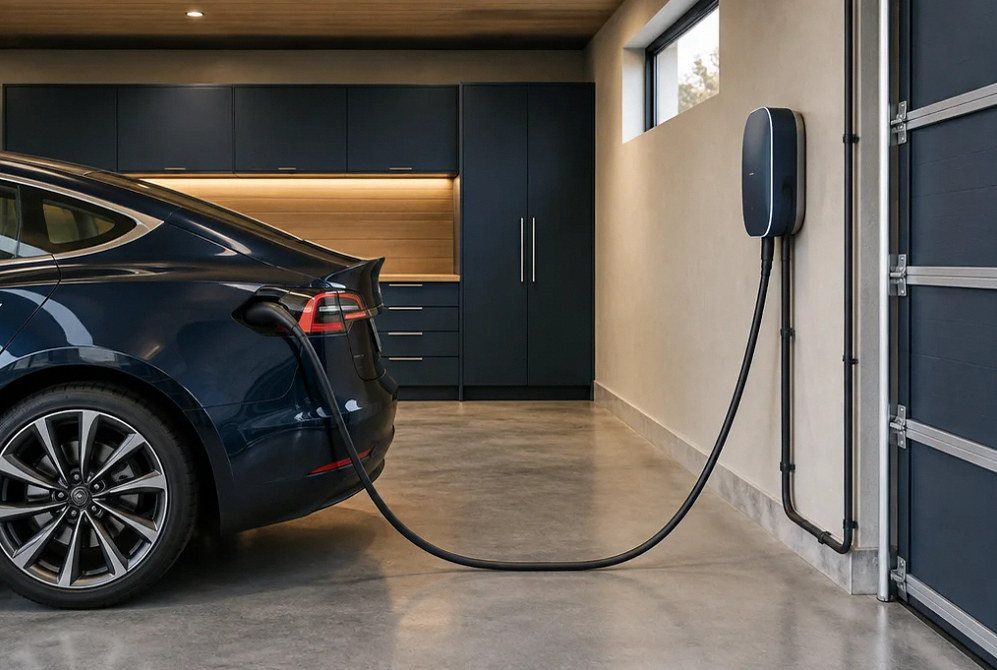
Estimate the electricity, charging time and usage cost for your driving routine. Compare charging power with the time your car can stay plugged in.
Use a representative driving day and your vehicle’s observed energy consumption. Weather, highway speed, hills and cabin conditioning can change it.
Enter the expected continuous charging power at the wall, limited by the installed setting, equipment and vehicle’s AC charging capability. The largest number on a product page may not be available at your car.
This worksheet uses battery-side driving consumption. If your source already includes electricity lost during charging, enter 0% additional losses to avoid counting them twice.
Use your own numbers or load the clearly labeled example. This tool estimates energy and time; it does not size wiring, breakers or the electrical service.
The 30-day projection repeats this same driving day 30 times. It excludes fixed charges, rate tiers, demand charges, export credits and installation costs.
EIA: power and energy units ↗Longer parking time can reduce the average power needed to replace a day’s driving. Compare your routine with occasional longer trips before choosing the maximum available charging rate.
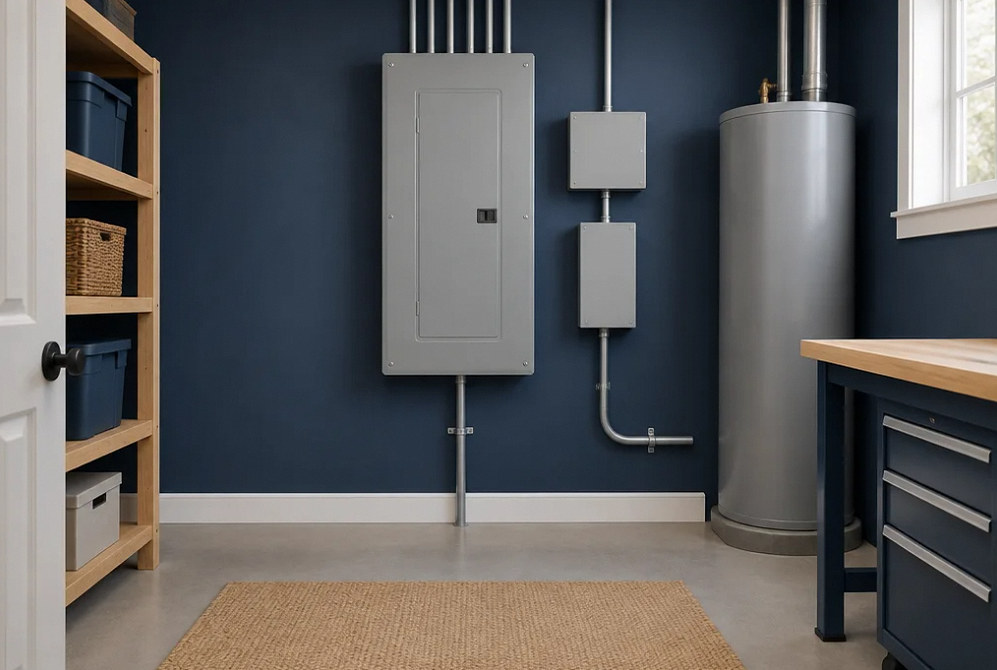
The site still needs professional review of the circuit, service load, protection, route and manufacturer instructions. Available panel spaces alone do not establish capacity.
U.S. DOE: charging at home ↗Bring the vehicle model, selected charging current, parking location and expected daily driving. Check current rebates before purchasing equipment.
FROM THE YKCA JOURNAL
No. It estimates energy, charging time and usage cost from your inputs. The installation and permitted charging setting require a separate review of the vehicle, equipment, circuit and property capacity.
Contact Us
For More Info!