
Directories / Water damage checklists
Water damage checklists: choose the right worksheet for the stage you are in
Use the restoration resource library to organize observations, questions and handover records without treating a checklist as a diagnosis.
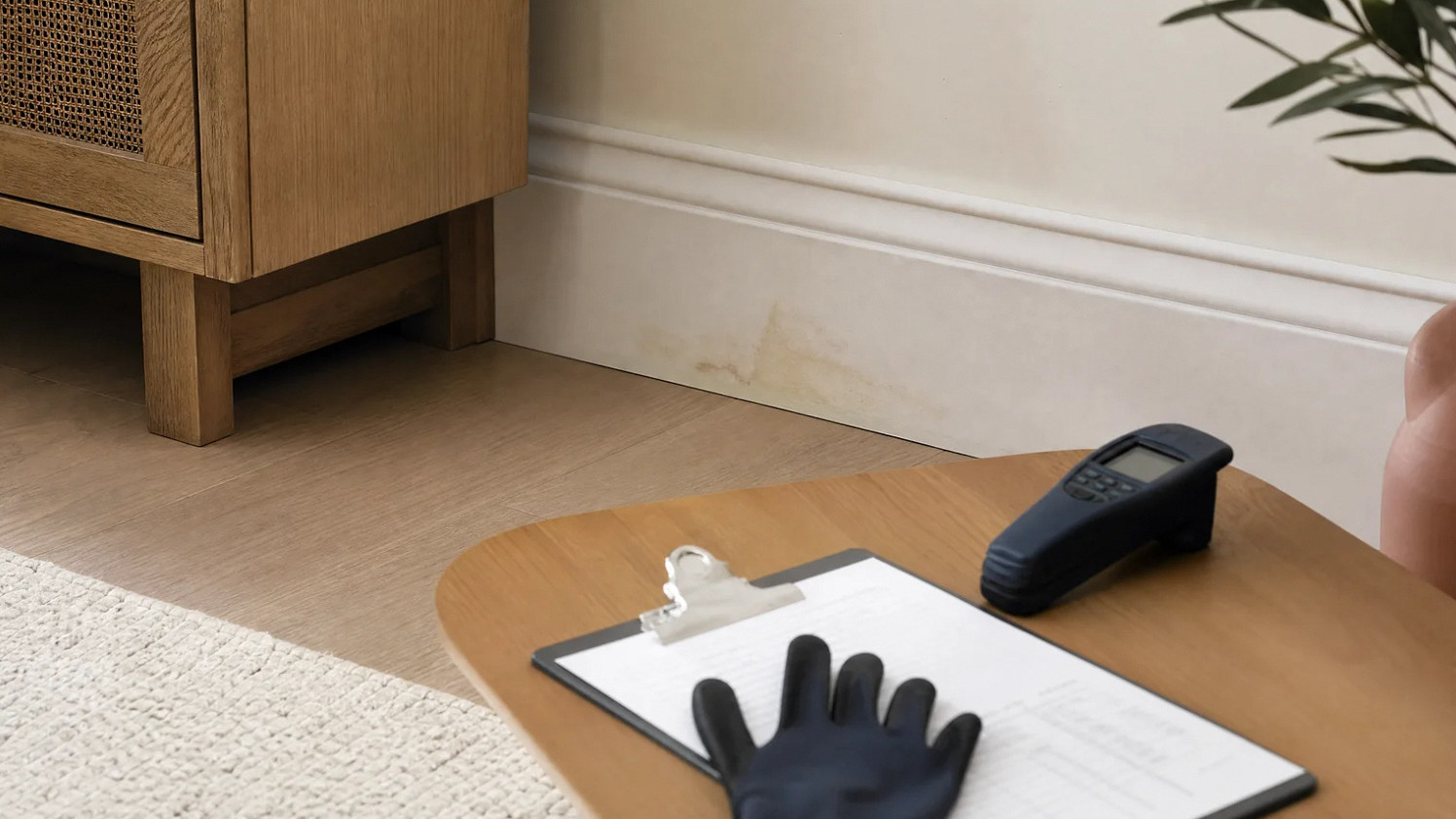
THE KEY POINT
Choose a checklist by the decision in front of you: first observations, drying review or repair handover.
Start with the immediate situation
The Water Damage Checklists link opens the restoration resource library, where separate worksheets address different parts of the process. Read the titles and descriptions before opening or printing one. A checklist for repair handover will not answer the same questions as a record of the initial damage.
If conditions are unsafe, obtain appropriate help before collecting records. Do not enter standing water around electrical equipment or open concealed areas just to complete a worksheet. The library is an organizational resource; it cannot assess a hazard through the screen.
Record observations while keeping uncertainty visible
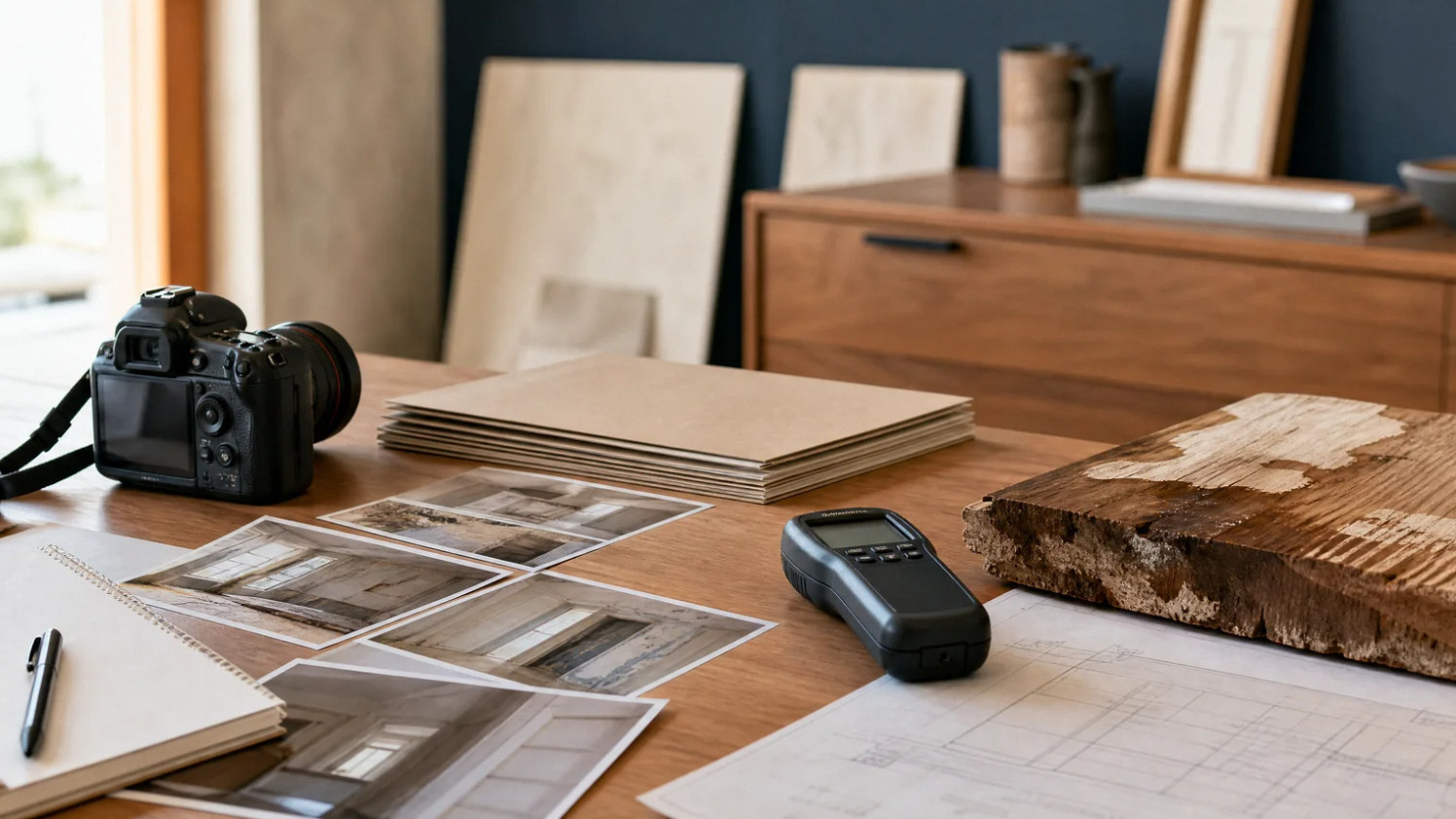
Use consistent room names, dates and photo descriptions. Start with wide views that locate the affected area, then add closer views where safe. Note what was observed and what is only suspected. An incomplete item can remain an open question rather than becoming a guessed answer.
Keep a timeline of discovery, reported source correction and professional visits. That history can help different people understand the sequence. It does not by itself classify the water, determine hidden damage or establish insurance coverage.
Use drying questions to understand the records
Ask the restoration team what materials are being evaluated, where readings are recorded and what evidence will support the next step. A surface looking dry and an assembly being ready for repairs are different conclusions. Use the worksheet to keep those questions and responses together.
EPA guidance emphasizes controlling moisture as part of addressing mold problems. It does not make a generic website checklist a clearance test. If mold, contamination or hidden damage is suspected, the appropriate scope of assessment depends on the actual conditions rather than a universal number of days on equipment.
References: EPA: Mold, moisture and your home
Carry the record into repairs and handover
Before rebuilding or closing the project, identify the agreed repair scope, selections, inspection needs and unresolved items. Keep mitigation records separate from reconstruction changes so later readers can see why each operation occurred. Where insurance is involved, distinguish the work record from claim decisions.
Print the worksheet if a paper copy makes the site conversation easier. The checkboxes help organize your review; checking them does not notify YKCA or certify the work. Save the completed record in your project folder and use the related articles for explanations of the individual decisions.
Keep the next steps clear
| Step | What to record | Why it helps |
|---|---|---|
| Observe | Safe documentation | Preserve the starting point |
| Review | Drying questions | Understand the evidence |
| Handover | Repairs and records | Track unresolved items |
BEFORE THE NEXT STEP
Your checklist
A useful question
Does completing a water-damage checklist prove the property is dry or repaired?
No. The worksheets organize observations and questions. Drying and repair decisions require evidence from the actual materials and conditions, with professional review appropriate to the project.
PUT THE GUIDE TO WORK
Page & sources
This guide helps you prepare for a conversation with YKCA. Reviewed October 3, 2026. Check current project terms and official instructions when making a decision.
CONTINUE WITH THE NEXT DECISION
Related Company guides
Ready to use what you have learned?
Open Water damage checklists