
Drying and equipment · 5 min read
Should You Open Windows or Turn Off Drying Equipment?
Plan for heat, noise, windows, and equipment interruptions during water damage drying, with clear instructions for overnight operation.
YKCA · References checked 2026-09-27
Start with the essentials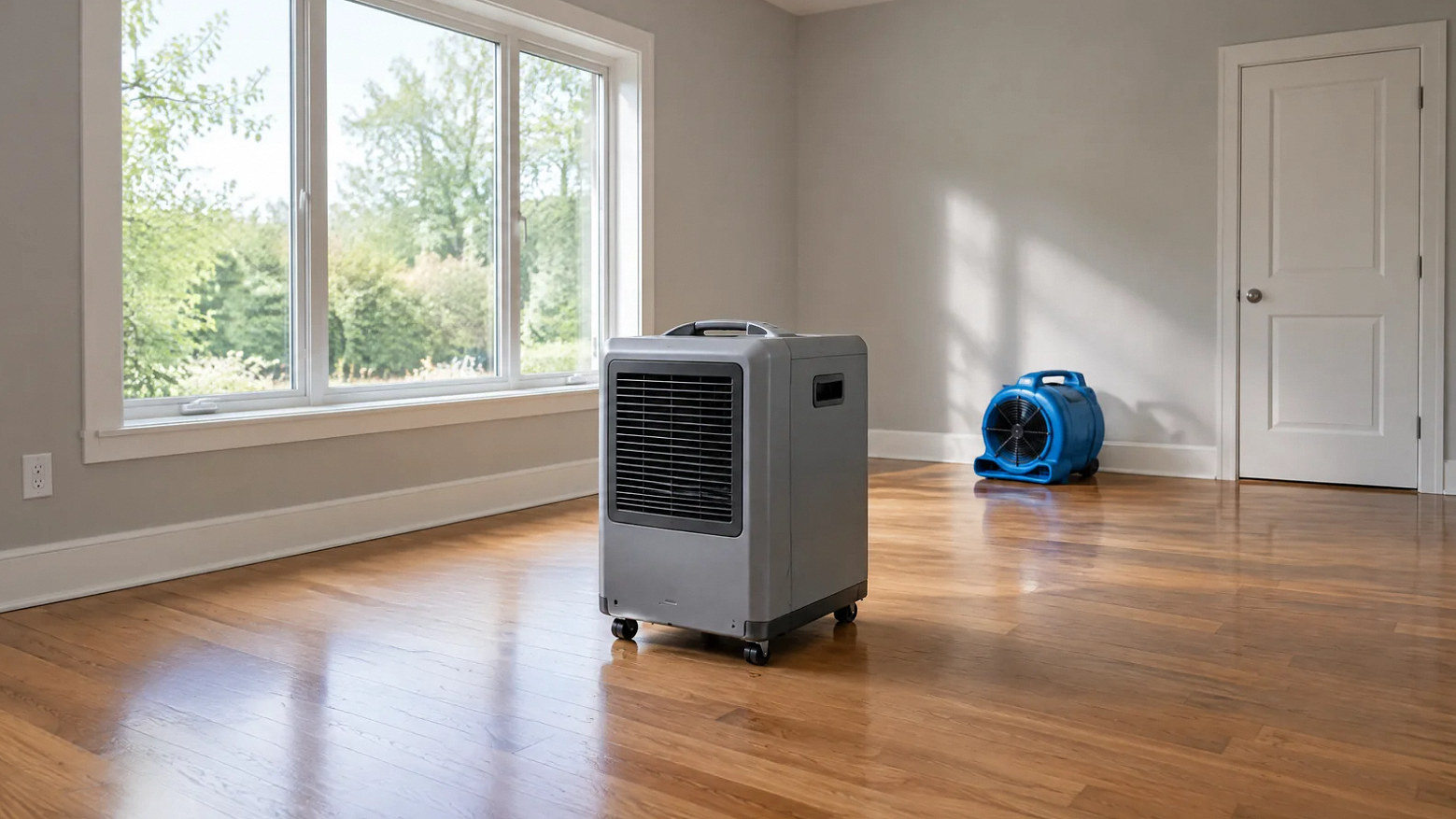
At a glance
Three things to keep in view.
Confirm the window plan
Follow the agreed arrangement for this stage. Lower outdoor relative humidity alone does not establish that opening a window will help.
Resolve comfort early
Explain sleep needs and heat concerns during setup. Request an adjustment or different living arrangement before changing settings or switching equipment off.
Recognize immediate danger
Move away from smoke, sparking, or electrical trouble near water. Contact emergency services for immediate danger; never cross water to reach a plug.
The key point
Agree on windows, room temperature, overnight operation, and the response to equipment problems before the crew leaves. If the setup makes daily life difficult, request an adjustment. Safe operation follows the equipment instructions and the project plan; discomfort and electrical warning signs need different responses.
A warm room and a loud fan can make an open window or a quiet night seem like an easy fix. Before changing the setup, find out what conditions the contractor is trying to maintain and how you can use the home comfortably.
You should not have to guess whether a closed door matters, which machine is draining into a sink, or whom to call after hours. Put those answers in a short operating plan.
Outside RH alone cannot tell you whether to open windows
Relative humidity, or RH, describes how close air is to saturation at its current temperature. If air warms without gaining or losing water vapor, its RH falls. That change can make a meter display look better even though no moisture has left the space.
For the same reason, lower outdoor RH does not necessarily mean the outdoor air contains less water vapor. A professional compares indoor and outdoor temperature and moisture content together. Humidity ratio, sometimes recorded as grains per pound of dry air, describes that moisture content. Temperature, weather, contamination, and the materials also affect whether outside air is useful.
Initial ventilation and controlled dehumidification may therefore use different window arrangements. Find out which approach is in use now, which openings matter, and what occupants may change. A window opened for initial airing should not become an unexplained rule for every later stage.
Heat can support evaporation, but vapor must still be removed
Warming wet material can support evaporation, but the resulting vapor needs removal through suitable dehumidification or air exchange. Heating alone can lower RH without removing that water. Excessive heat can also conflict with the limits of equipment, finishes, adhesives, or belongings; there is no single temperature setting appropriate to every job.
Tell the contractor if occupied rooms become uncomfortable or contain heat-sensitive belongings. For example, if the only bedroom becomes too warm while the kitchen is drying, request a revised living and equipment arrangement. Do not add a heater or alter settings yourself. The revised plan should explain how acceptable conditions and drying progress will both be checked.
Discuss noise before bedtime
Explain sleep needs, work calls, sensory sensitivities, and pets early. Ask whether a different arrangement, schedule, or temporary place to stay should be considered. Do not assume that every machine can be left unattended or that every machine may be switched off overnight.
The written plan should identify who approves changes and what to do when that person cannot be reached. Keep the instructions available to everyone staying in the home, including someone returning after the crew has left.
- Which equipment is expected to run overnight?
- What checks or supervision does that require?
- What number handles an after-hours problem?
Sources for this section
Keep electrical concerns separate from inconvenience
Smoke, sparking, or suspected electrical trouble near water calls for immediate attention, not a debate about drying speed. Move away from the affected area and contact emergency services when there is immediate danger. Never enter standing water to reach a plug or electrical panel.
Report less urgent equipment problems using the agreed contact. Do not reset a tripped breaker, change the power arrangement, or attempt a repair yourself. A machine that stopped needs an explanation; restoring its sound does not establish that the original problem has been resolved.
Record interruptions without guessing their effect
If power fails or equipment stops, note the approximate time, affected machines, visible messages, and whom you contacted. Take a photograph only from a safe position. Let the contractor decide what checks are needed before restarting or changing the plan.
Keep the entry factual. An interruption does not automatically establish that the project failed, that extra days are justified, or that insurance will refuse payment. Ask how the event affected the next inspection and any proposed change in scope or cost.
Common questions
Can I open a window if the outdoor air feels dry?
Check the current operating plan first. Ask the contractor whether outside air is part of the chosen method and whether the window affects a controlled area. Feeling comfortable outdoors does not tell you how that change will affect the materials being dried indoors.
Sources for this section
Who decides when equipment can come out?
Ask who is responsible for that decision and what evidence they will provide. The discussion should cover the materials still needing attention, remaining work, and any limits on the assessment. Machine removal and authorization to begin rebuilding should be addressed explicitly rather than assumed to be the same event.
Sources and further reading
References checked 2026-09-27. Guidance depends on the loss, affected materials, scope of work and property conditions.
- Safety Guidelines: Reentering Your Flooded Home
- DryMAX XL Pro | XL LGR Dehumidifier Owner's Manual
- Understanding humidity, part 1: Fundamental concepts every engineer should know
- HM40 humidity measurement parameters
- Mold Remediation in Schools and Commercial Buildings Guide: Chapter 3
- Residential Property Claims Guide
- A Brief Guide to Mold, Moisture and Your Home
Discuss the next step for your property.
Share what happened, which areas are affected and the decisions you need help with.
Discuss water damage restorationRelated decisions
Drying and equipment · 5 min read
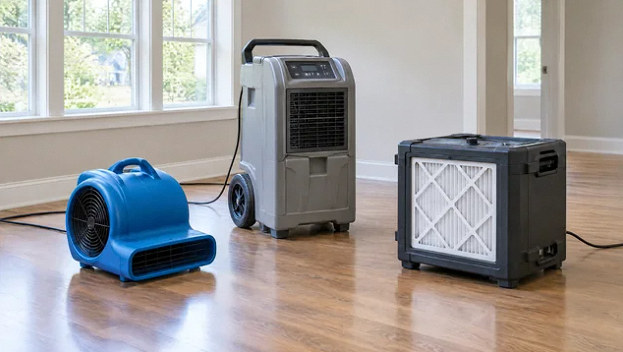
Fans, Dehumidifiers, and Air Scrubbers: What Each One Does
Understand the different jobs of restoration equipment and ask how the setup will reach wet materials and verify progress.
Read the guide
First decisions · 5 min read
Can You Stay Home During Water Damage Restoration?
Discuss safe access, usable rooms, household health needs, equipment, and temporary accommodation before deciding to stay home.
Read the guide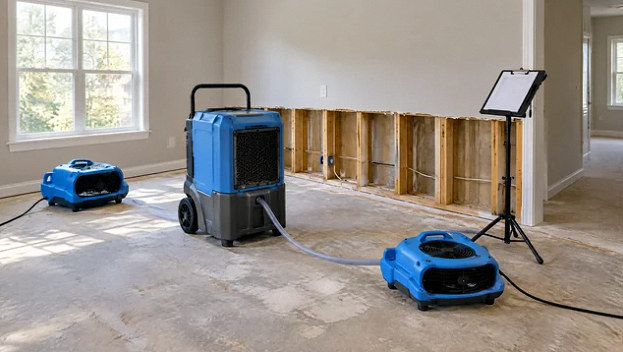
Drying and equipment · 5 min read
How Long Does Water Damage Drying Take?
Understand what controls drying time, what a useful progress report includes, and which questions to ask before equipment is removed.
Read the guide