
Route assessment
Compare the intended endpoints, access and obstacles. Include pull points, changes in direction and any route through occupied areas.
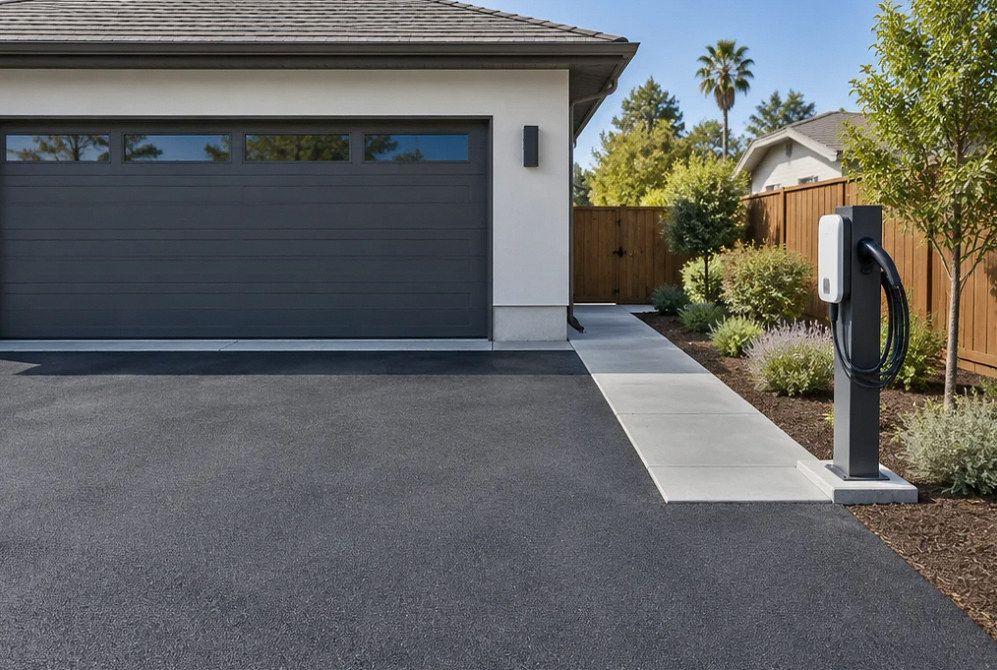
Trenching & Charging Preparation
Connect the electrical design to the actual ground conditions, utility locations and finished surfaces along the route.
What & Why
Bringing power across a driveway or parking lot involves more than measuring the distance between a panel and a charger. Existing utilities, private lines, access, paving and the required electrical design all influence the work.
YKCA helps define the underground electrical scope and coordinate the excavation and restoration responsibilities. The project should state what is installed below ground, when it is inspected and what the finished site will look like.
Endpoints
Confirmed source and equipment locations
Existing lines
Utility responses and private-line review
Surfaces
Soil, planting, concrete or asphalt
Completion
Inspection, backfill and restoration scope
Project Scope
A route plan should be reviewable before excavation is scheduled.
Compare the intended endpoints, access and obstacles. Include pull points, changes in direction and any route through occupied areas.
Plan the required 811 notification and review utility responses. Identify the separate need to locate privately owned lines along the work area.
Coordinate the conduit and conductor requirements with the equipment being served, installation conditions and future provisions included in the contract.
Review open trenching and other suitable methods against the site. Establish access, staging and protection of nearby structures and landscaping.
Agree on inspection hold points and documentation before concealed work is covered. Coordinate any testing and acceptance requirements in the project design.
Specify backfill and the boundaries of asphalt, concrete, planting or irrigation restoration. Distinguish a trench patch from wider resurfacing.
Decisions That Matter
811 utility responses do not necessarily identify private electrical, irrigation or other lines. Account for them separately in the site review.
Choose the method based on conditions and access. Boring is not automatically feasible or free of surface disturbance.
If the site will expand, identify the future equipment assumptions now. Additional pathway capacity does not establish future electrical supply.
Before Your Consultation
Existing records help plan the route, but they do not replace field verification.
Show the source equipment, intended charger or building destination and property boundaries where available.
Provide available utility, irrigation and previous electrical plans, including private facilities.
Identify parking restrictions, sensitive landscaping, driveway use and the finish expected after work is complete.
FAQ
USA North 811 explains utility responses and the limits of utility-owned line marking. Electrical installation and restoration requirements are confirmed for the site.
Your Next Step
Show us where power starts, where it needs to go and what lies between. We’ll help define the underground work.
Frequently asked project questions
Explore the causes, choices and practical next steps behind common project questions.
Pause the affected excavation and coordinate an arborist assessment with the electrical designer. Review tree protection, alternative routes and the effects on restoration, cost and inspection. Resume only when the responsible parties have resolved the conflict and communicated the agreed scope.
Read the full guide: Tree Roots in an Electrical Trench: When to Pause and Reconsider the Route ↗Contact Us
Local Services
Choose your city and tell us what you need. We'll plan the project around your location.
Choose your city to include it with your project details.
Or call us to discuss your project:
(650) 550-0819Thank you. Your request has been received.
Contact Us
For More Info!