
First decisions · 4 min read
Water Damage: What to Do First and Who to Call
A practical starting point after a leak: safe access, stopping the source, choosing help, photos, and questions before drying begins.
YKCA · References checked 2026-09-27
Start with the essentials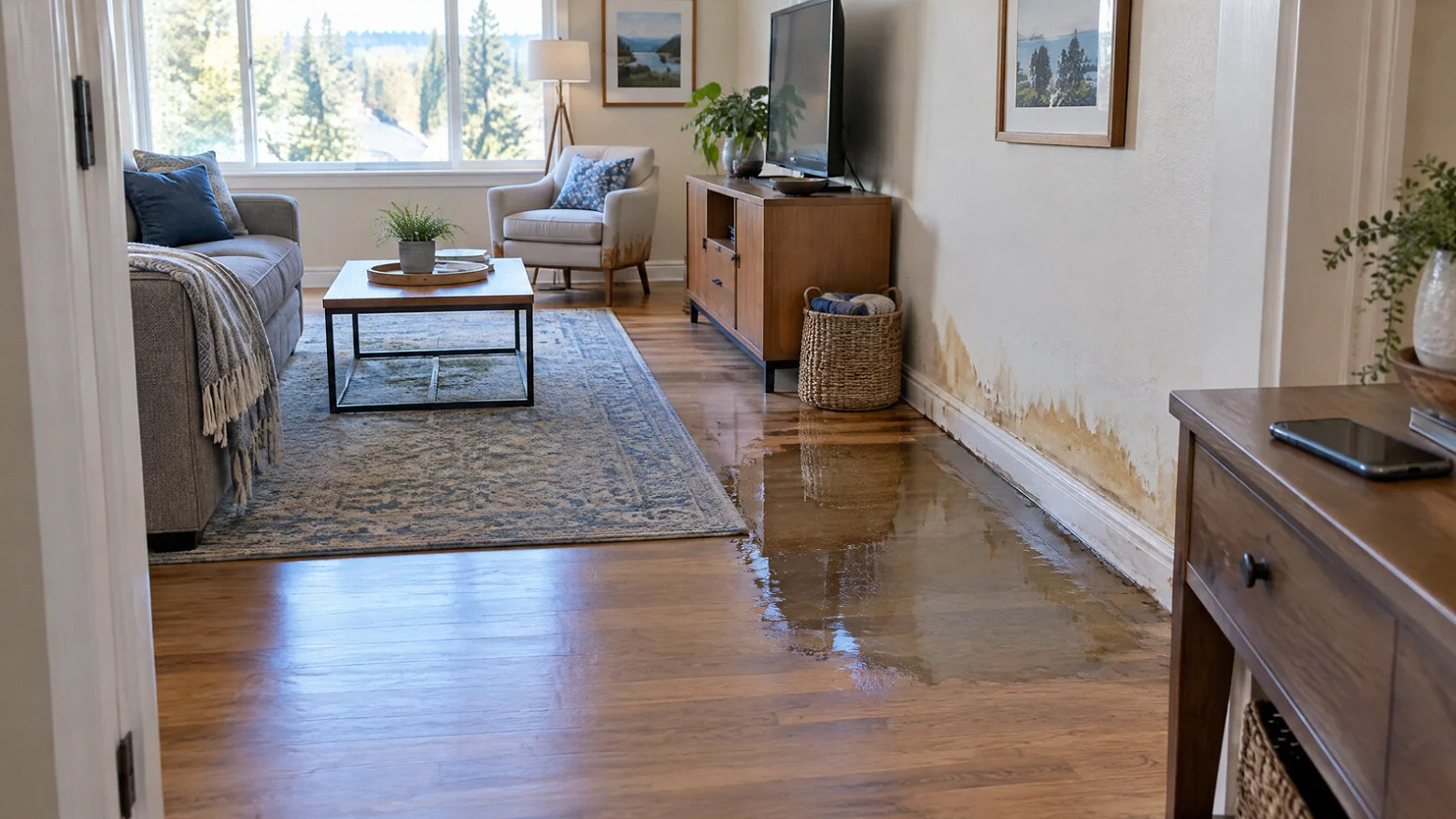
At a glance
Three things to keep in view.
Check access first
Keep away from water near electrical equipment and from a sagging ceiling. Collect photographs only from a safe location.
Assign each job
Identify who repairs the source, who assesses affected materials, and who tracks drying. One completed visit may address only the source.
Record known facts
Write when you discovered the water and where it appeared. Label unknown timing or sources clearly instead of filling gaps with guesses.
The key point
Start with safe access and stopping further water where that can be done safely. Then organize help around three separate jobs: correcting the source, assessing affected materials, and planning cleanup and drying. Keep a simple record from the beginning, and get a named contact who can explain the next decision.
Finding water under a door or dripping from a ceiling creates several decisions at once. You may need a plumber, a restoration contractor, your property manager, and your insurer, but they do different work. Start by describing what you can see from a safe location and what remains unknown.
Your first goal is a workable response plan. You do not need to identify every wet layer or decide the entire repair scope before making the first call.
Decide whether the area is safe to approach
Stay away from standing water near electrical equipment, outlets, or wiring. Do not cross water to reach a panel or operate electrical equipment while standing in water. Electrical assessment belongs with a qualified professional. A sagging wet ceiling is also a reason to keep people out of the affected area.
If you suspect a gas leak, leave and contact emergency services from a safe location. Tell responders about children, pets, mobility needs, and any blocked route through the home. Photos can wait when access is unsafe.
Sources for this section
Safety Guidelines: Reentering Your Flooded HomeGuidelines for Cleaning Safely After a Disaster
Match each call to the job that needs doing
A plumber can address a plumbing failure; a roof or building-envelope problem may need a different trade. Ask whoever corrects the source to record what they found and what was repaired. A repair visit and an assessment of affected walls or floors are separate items to arrange.
For a condo or rental, notify the responsible property contact and describe whether water may involve another unit or shared space. When contamination is possible, explain the source before anyone proposes ordinary fan drying. EPA advises experienced professional help for sewage or other contaminated-water damage.
Sources for this section
Prepare a short first-call note
Write down facts you know and label estimates clearly. “Discovered at 7 a.m.; last seen dry last night” is more useful than guessing that the leak lasted exactly eight hours. Mention any water still entering and whether the source has been addressed.
- Where did you first see water, and where else has it appeared?
- Which rooms, floors, or ceilings are involved?
- Is the water source known, suspected, or unknown?
- Is there a safe entrance, and who can authorize access?
- Who will assess the damage, and when will they explain the initial scope?
Keep one place for photos, messages, and receipts
When safe, take an overall room photo and closer views of damage. Add a date and a brief location label. Keep the source-repair invoice with the restoration paperwork so that later readers can distinguish fixing the leak from addressing its effects.
California's Department of Insurance advises reporting a loss, retaining records, and documenting damaged possessions. Ask the adjuster how to preserve evidence of items requiring prompt removal. Do not delay urgent safety measures simply to wait for a photograph or inspection.
Sources for this section
Set the plan for the next visit
Suppose a supply line has been repaired, but a bedroom floor and the ceiling below are affected. Ask who is evaluating each area, whether any spaces should remain unused, and how findings will change the scope. The person repairing the line may not be the person tracking drying.
Before the crew leaves, get an emergency contact, access arrangements, and the time of the next update. Ask which work is authorized now and which decisions will wait for inspection. This makes it easier to respond when new information appears.
Common questions
Should I run a fan immediately?
First establish the water source and whether contamination or mold may be present. EPA limits ordinary fan drying when contamination could be dispersed. Ask the responding professional what is appropriate for this area instead of moving air through an unknown affected space.
Sources for this section
Text Version of the Flooded HomeTable 1: Water Damage – Cleanup and Mold Prevention
Does stopping the leak finish the job?
Stopping the leak prevents further entry from that source. Water already in the walls, flooring, or contents still needs attention. The next steps establish where it traveled and what cleanup, drying, removal, and repair are needed. Keep the source-repair record with that separate scope.
Sources and further reading
References checked 2026-09-27. Guidance depends on the loss, affected materials, scope of work and property conditions.
Discuss the next step for your property.
Share what happened, which areas are affected and the decisions you need help with.
Discuss water damage restorationRelated decisions
First decisions · 4 min read
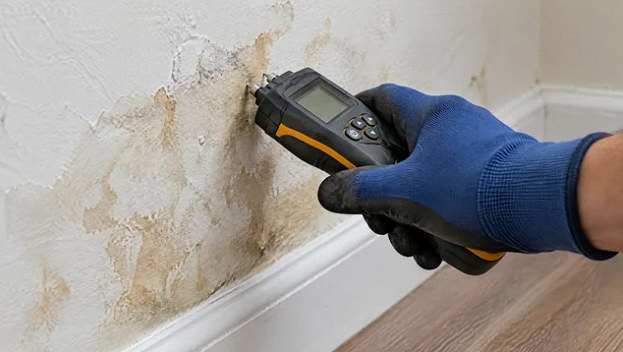
Hidden Moisture: What Meters and Thermal Cameras Can Tell You
Learn how to read a moisture report, distinguish instrument scales, and ask useful questions about concealed walls, floors, and ceilings.
Read the guide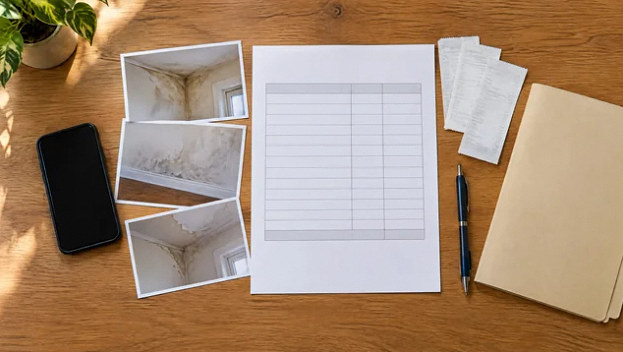
Documentation · 5 min read
Water Damage Estimates: Understand the Work and Keep Clear Records
Review emergency authorization, equipment charges, scope changes, and insurance documentation without assuming every cost is covered.
Read the guide
First decisions · 5 min read
Can You Stay Home During Water Damage Restoration?
Discuss safe access, usable rooms, household health needs, equipment, and temporary accommodation before deciding to stay home.
Read the guide