
Materials and repairs · 5 min read
Before Rebuilding: How to Review the Drying Handoff
Ask for final material readings, remaining limitations, source-repair records, and a clear handoff before new finishes cover the work.
YKCA · References checked 2026-09-27
Start with the essentials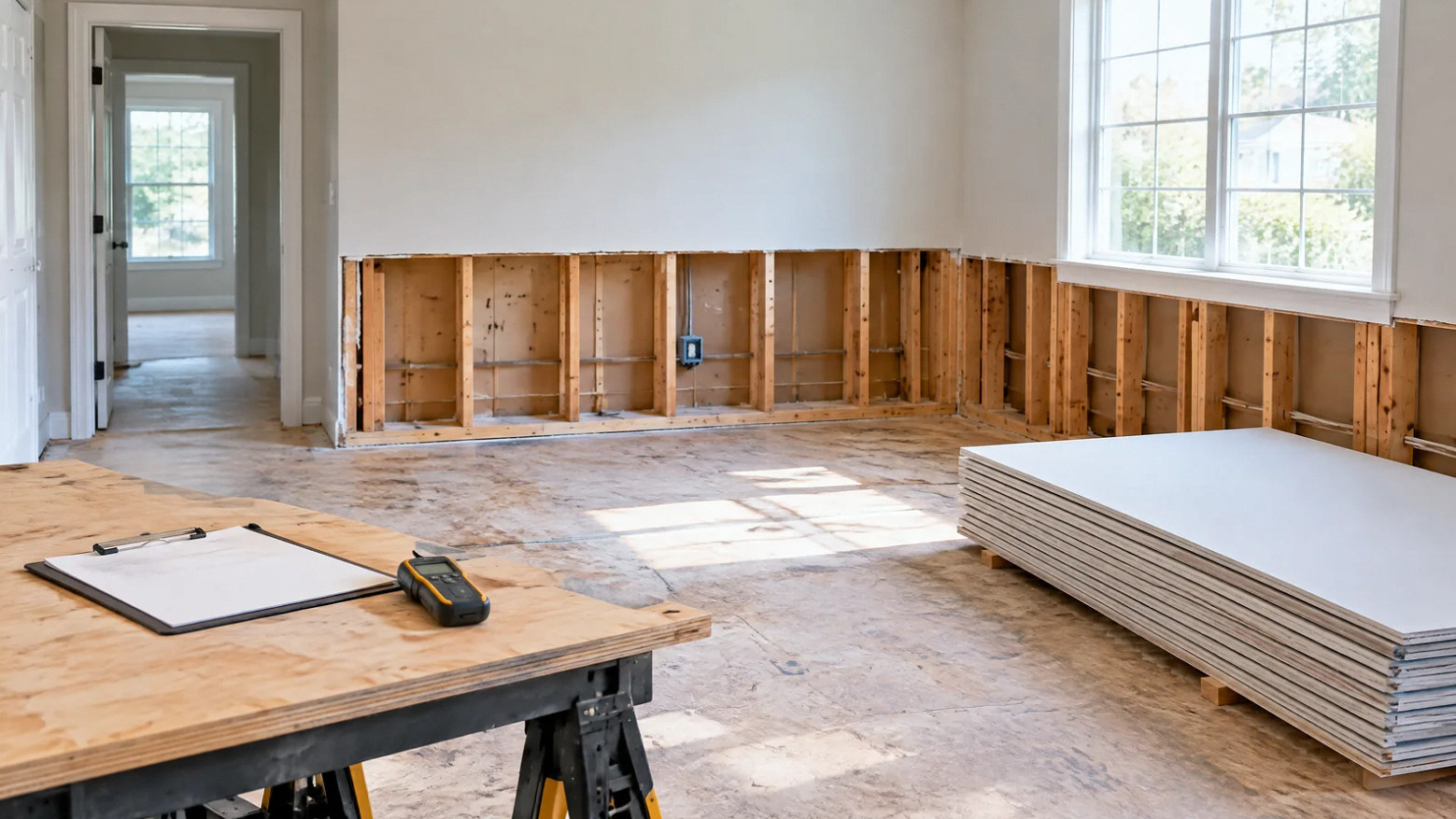
At a glance
Three things to keep in view.
Read the result locally
Connect each final reading to its material, measurement point, method, and comparison. Keep inaccessible or unresolved areas explicit in the handoff.
Check the separate endpoints
Review source repair, cleanup, drying, and remaining damage individually. Equipment pickup does not establish that the planned repairs are complete.
Give the next trade context
Deliver the records before finish work starts. Assign remaining preparation and acceptance questions to a named person familiar with the intended materials.
The key point
Before new finishes cover the affected area, ask what was checked, which materials met the agreed criteria, and what remains unresolved. Review source repair, cleanup, drying, and rebuilding separately. A useful handoff provides locations, methods, results, limitations, and responsibility for the next steps, not simply a statement that the machines are gone.
The day equipment leaves can feel like the end of a water damage project. It may instead be the point when responsibility shifts to a repair contractor. Use that moment to make sure the next person understands the condition of the building and the work still needed.
Request the handoff information before scheduling work that will cover the affected surfaces. A brief review now can reveal unanswered questions while access is still available.
Source repair, cleanup, drying, and rebuilding have separate endpoints
Has the water source been addressed? Has the required cleanup been completed? Have the assessed materials reached the drying criteria? What repairs remain? Ask who is responsible for each answer and where the supporting record is located.
Dry does not necessarily mean undamaged. For example, EPA distinguishes intact drywall that may be dried in place from swollen drywall or damaged seams that call for removal and replacement. A remaining stain is not a moisture measurement. Review both the material’s condition and the drying assessment before choosing the repair.
A plumbing repair record explains source work. Drying measurements explain the assessed material conditions. A repair proposal describes what will be rebuilt. Put them together so that no one assumes another document covers a question it was never intended to answer.
A drying target belongs to a material and measurement method
Ask for the final readings with the room, measurement point, material, date, instrument method, and applicable comparison or target. If a number is described as a percentage, ask which scale it represents. Relative readings and wood moisture equivalent are not interchangeable with every material's moisture percentage.
Water on an exposed surface and moisture within a material do not necessarily change at the same rate. Comparisons are most useful when the records identify consistent locations and methods, with an appropriate dry reference or other applicable criterion. One universal percentage cannot describe every wood species, wall material, meter scale, and later installation requirement.
The useful question is how the result supports the decision for that location. You do not need to master every meter. You do need an explanation that remains understandable when the person who took the reading is no longer standing beside you.
Sources for this section
Frequently Asked QuestionsFLIR & EXTECH - Pinless Moisture Meter Reading Values
An accessible surface does not represent every hidden layer
Review the affected areas against the locations in the report. Ask what was assessed beneath flooring, around cabinets, or within other relevant assemblies, and what was inaccessible. The answer may include limitations; those should be explicit rather than lost in a broad completion statement.
For example, a report may provide readings for an exposed subfloor but not for an adjacent covered area. Ask what evidence supports the decision about the covered section and whether further assessment is needed before the planned repair. Do not turn that gap into an automatic demand for demolition.
The next contractor needs a documented starting condition
Send the drying and cleanup records to the person responsible for the next stage. Ask whether additional assessment or product-specific preparation is needed for the intended flooring, wall finish, or other work. A drying result should not be treated as a universal installation instruction.
Walk through the remaining repairs together where possible. Identify exposed areas, removed items, existing damage, and responsibilities that fall outside either contractor's scope. Assign unresolved items to a named contact before they become assumptions in the repair schedule.
- List documents delivered and any still outstanding.
- Identify remaining decisions and who makes them.
- Confirm which work is authorized next.
- Record conditions that would pause or change that work.
Sources for this section
Residential Property Claims GuideFLIR & EXTECH - Pinless Moisture Meter Reading Values
Follow-up checks look for recurrence, not just a finished appearance
Ask whom to contact if staining changes, an odor returns, or new moisture becomes apparent after equipment removal. EPA includes follow-up review in its discussion of completed mold cleanup. Use that principle to establish a clear contact and review process for any unresolved concern.
Keep the handoff packet with photographs from before the finishes were installed. If a problem recurs, record the date and location and contact the responsible party. Do not cover the evidence with paint or assume that a newly visible change has the same cause as the original loss.
Sources for this section
A Brief Guide to Mold, Moisture and Your HomeMold Cleanup in Your Home
Common questions
Is a thermal image enough to show the wall is dry?
Ask what measurements verified the areas shown. Thermal imaging helps identify temperature patterns for investigation; it is not a substitute for confirming material conditions. A clear handoff connects the image to the relevant location, inspection, and readings rather than treating the picture as a standalone clearance.
Sources for this section
Does every job need a mold clearance air test?
Not every project needs an air sample. Sampling should answer a defined question about contamination; moisture measurements answer whether the assessed materials meet the drying criteria. Follow any agreed project-specific verification plan and applicable requirements, with clear responsibility for interpreting results. Neither type of measurement substitutes for the other.
Sources and further reading
References checked 2026-09-27. Guidance depends on the loss, affected materials, scope of work and property conditions.
- A Brief Guide to Mold, Moisture and Your Home
- Standard for Professional Water Damage Restoration
- Table 1: Water Damage – Cleanup and Mold Prevention
- Frequently Asked Questions
- FLIR & EXTECH - Pinless Moisture Meter Reading Values
- Mold Remediation in Schools and Commercial Buildings Guide: Chapter 3
- Residential Property Claims Guide
- Mold Cleanup in Your Home
- Thermal Imaging & Moisture Detection For Restoration
Discuss the next step for your property.
Share what happened, which areas are affected and the decisions you need help with.
Discuss water damage restorationRelated decisions
First decisions · 4 min read
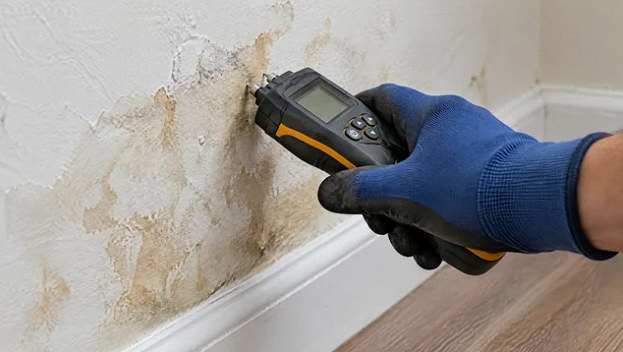
Hidden Moisture: What Meters and Thermal Cameras Can Tell You
Learn how to read a moisture report, distinguish instrument scales, and ask useful questions about concealed walls, floors, and ceilings.
Read the guide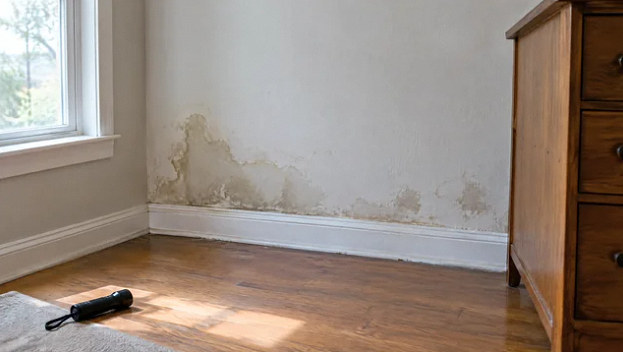
First decisions · 5 min read
A Musty Smell After Water Damage: What to Investigate
Use a location and timing record to discuss persistent odors, hidden moisture, useful inspections, and the limits of mold testing.
Read the guide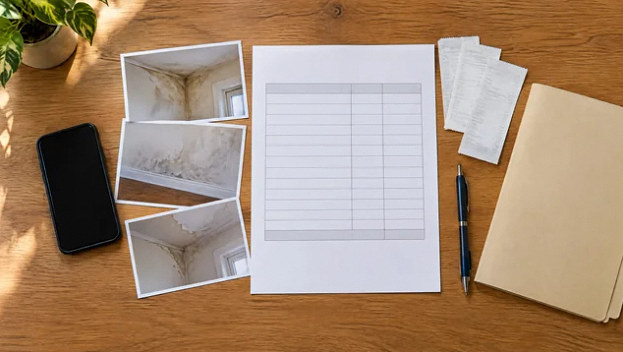
Documentation · 5 min read
Water Damage Estimates: Understand the Work and Keep Clear Records
Review emergency authorization, equipment charges, scope changes, and insurance documentation without assuming every cost is covered.
Read the guide