
Documentation · 5 min read
Water Damage Estimates: Understand the Work and Keep Clear Records
Review emergency authorization, equipment charges, scope changes, and insurance documentation without assuming every cost is covered.
YKCA · References checked 2026-09-27
Start with the essentials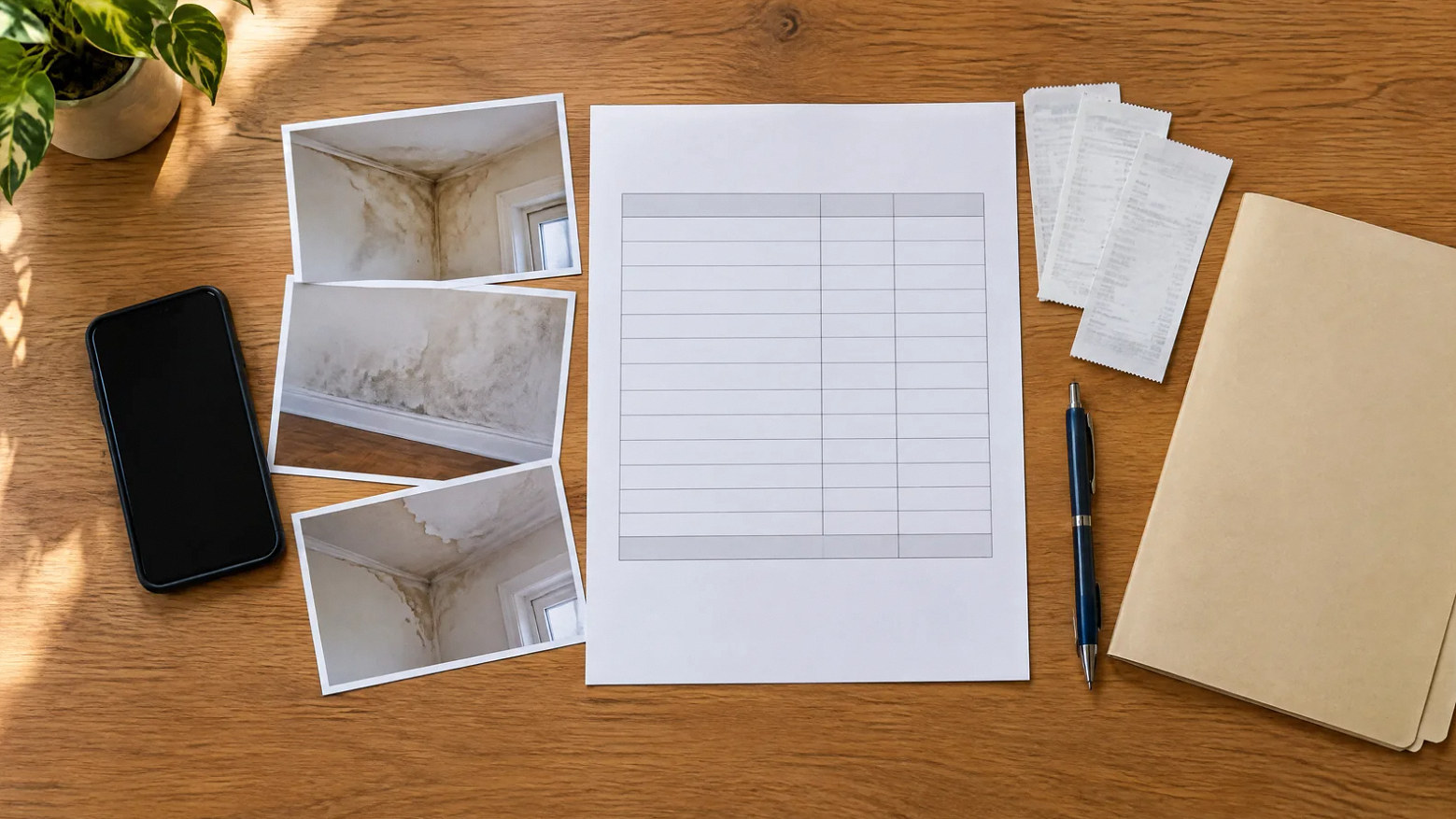
At a glance
Three things to keep in view.
Compare matching scopes
Align rooms, materials, cleanup, drying, and repairs before comparing totals. A price for drying alone differs from a price that includes rebuilding.
Connect changes to records
Match added quantities or equipment dates to the explanation and authorization. Keep unresolved items in a short list with a responsible contact.
Clarify who pays
Review payment responsibility in the agreement and coverage with the insurer. Identify how disputed or excluded charges would be handled before relying on reimbursement.
The key point
Get the proposed work, pricing basis, payment responsibility, and process for changes in writing. Maintain your own photographs, equipment dates, correspondence, and receipts. The contractor's scope, final invoice, and insurer's coverage decision answer different questions; review the differences explicitly rather than assuming that one document settles all three.
A short emergency visit can lead to several documents: an authorization, a drying proposal, an equipment list, and later an invoice. Meanwhile, an adjuster may prepare a different estimate. Clear records make it easier to understand what was requested, performed, and considered for coverage.
Start a single folder with dated sections for the event, contractor, insurer, and repairs. Save originals and label your own notes so they are not confused with instructions from another party.
Understand what the first authorization covers
Ask which immediate work is proposed, what can be estimated now, and what remains uncertain until assessment continues. If the price is based on time, equipment days, or quantities, request the applicable basis and the procedure for updating the estimate.
Identify who authorizes additional work and who is responsible for payment under the agreement. Ask what happens if the insurer disputes or excludes a charge. Keep urgent safety decisions moving while obtaining clear written explanations; an emergency does not make ambiguous promises easier to resolve later.
A total price is meaningful only with its scope
Two estimates may cover different rooms, materials, services, or stages. Make a side-by-side list of included work and exclusions before deciding that their totals are directly comparable. Ask whether source repair, contents handling, cleanup, drying, and rebuilding are included or separately arranged.
For example, one proposal may stop after drying while another includes replacement finishes. The difference needs an explanation of scope before a price judgment. Ask each company to identify allowances, unresolved quantities, and the conditions that could change its proposal.
Sources for this section
Equipment ratings describe test performance, not water removed here
A dehumidifier capacity in pints per day describes performance under stated test conditions. For example, an AHAM rating shown on restoration equipment may use 80°F and 60% RH over 24 hours. The actual room changes throughout drying, so that label is not a promise to remove the same volume from this building each day. Airflow ratings describe a different quantity and should not be read as water-removal capacity.
Initial equipment selection is a starting plan based on the assessment. It does not prove that every affected material will be dry after a fixed number of rental days. Monitoring connects the equipment period to actual conditions; material access or a revised scope may change the plan.
Request type, quantity, installation and removal dates, and how billable periods are counted. For an added device or day, ask what remaining condition it addresses and when that condition will be checked again. Those records are more useful than attempting your own machine-count formula.
Keep an evidence folder you can navigate
Contact your insurer, ask how the policy applies, and keep a claim diary. Photograph damage only where access is safe. Ask how to document items requiring prompt disposal and how to coordinate permanent repairs with the adjuster's assessment.
Use a simple naming pattern such as date, room, and subject. Preserve the wider room view as well as details. Attach receipts and messages to the relevant event so another person can follow the sequence without relying on your memory. Avoid including unrelated personal documents in photographs.
- Record the discovery time and known source without inventing a start time.
- Save signed authorizations and subsequent written changes.
- Keep invoices, receipts, equipment records, and inspection updates.
- Record insurer questions, answers, and unresolved items.
Sources for this section
Residential Property Claims GuideTop Ten Tips for People Affected by Winter Storms
Resolve differences by line item and supporting record
When the invoice differs from the estimate, list the items you cannot reconcile: quantity, dates, material, added task, or rate. Request the related authorization and supporting records. When coverage is disputed, ask the adjuster which policy provision and facts support the decision.
Avoid assuming that every difference proves either wrongdoing or necessary work. Keep a short list of open questions, the responsible contact, and the promised response date. California homeowners can use the Department of Insurance for claims concerns and CSLB resources for contractor concerns.
Common questions
Does a contractor who works with insurance guarantee payment?
No coverage decision follows from that description. Ask the contractor to explain your payment obligations and ask the insurer to explain the policy. Keep both answers. If the two parties disagree, request the disputed scope or charge and the reason in writing rather than relying on a general assurance.
Sources for this section
Should I wait for an adjuster before taking any action?
Discuss the loss promptly with the insurer while arranging necessary safe measures to limit further damage. CDI distinguishes temporary protection from extensive permanent repairs. Ask how to document urgent work and disposal. Never delay leaving a dangerous area or addressing an immediate emergency for a photograph or inspection appointment.
Sources for this section
Residential Property Claims GuideGuidelines for Cleaning Safely After a Disaster
Sources and further reading
References checked 2026-09-27. Guidance depends on the loss, affected materials, scope of work and property conditions.
- Residential Property Claims Guide
- Contractors Board Warns Consumers About Unlicensed Contractors After Disasters
- Mold Remediation in Schools and Commercial Buildings Guide: Chapter 3
- Top Ten Tips for People Affected by Winter Storms
- DryMAX XL Pro | XL LGR Dehumidifier Owner's Manual
- Guidelines for Cleaning Safely After a Disaster
Discuss the next step for your property.
Share what happened, which areas are affected and the decisions you need help with.
Discuss water damage restorationRelated decisions
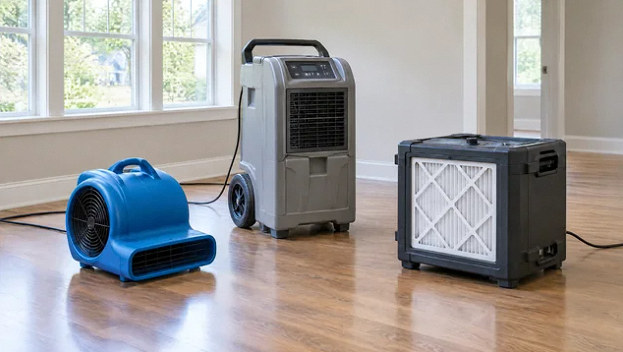
Drying and equipment · 5 min read
Fans, Dehumidifiers, and Air Scrubbers: What Each One Does
Understand the different jobs of restoration equipment and ask how the setup will reach wet materials and verify progress.
Read the guide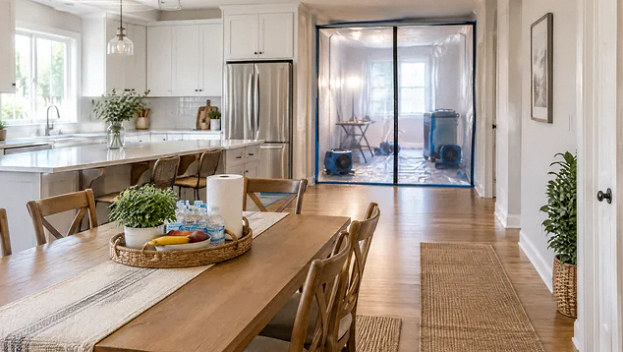
First decisions · 5 min read
Can You Stay Home During Water Damage Restoration?
Discuss safe access, usable rooms, household health needs, equipment, and temporary accommodation before deciding to stay home.
Read the guide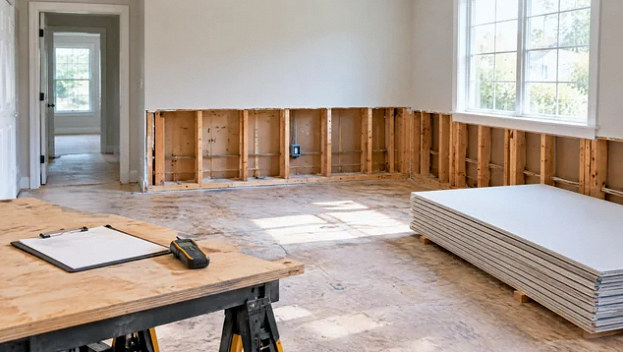
Materials and repairs · 5 min read
Before Rebuilding: How to Review the Drying Handoff
Ask for final material readings, remaining limitations, source-repair records, and a clear handoff before new finishes cover the work.
Read the guide