
The YKCA Journal · 30 practical guides
Electrical & energy.
Understand the problem. Know what to ask next. 30 practical guides for the decisions that matter at home and at work.
Find your question ↓
30 guides
FIVE PRACTICAL GUIDES
Residential electrical
Existing wiring, panel scope and making room for new equipment.
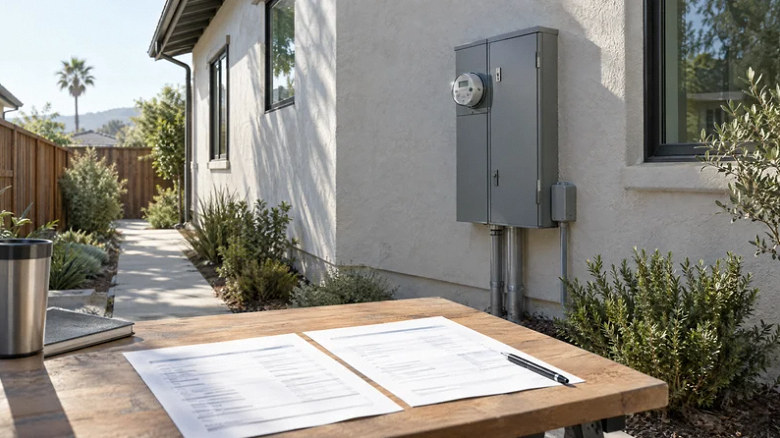
Why two 200A electrical service upgrade quotes can describe different projects
Compare 200A upgrade proposals by utility work, meter location, route, restoration, and outage responsibilities before comparing totals.

Can you stay home during a rewire? Build a room-by-room operating plan
Plan occupied-home rewiring around real circuit boundaries, daily living needs, dust control, access, and finishing responsibilities.
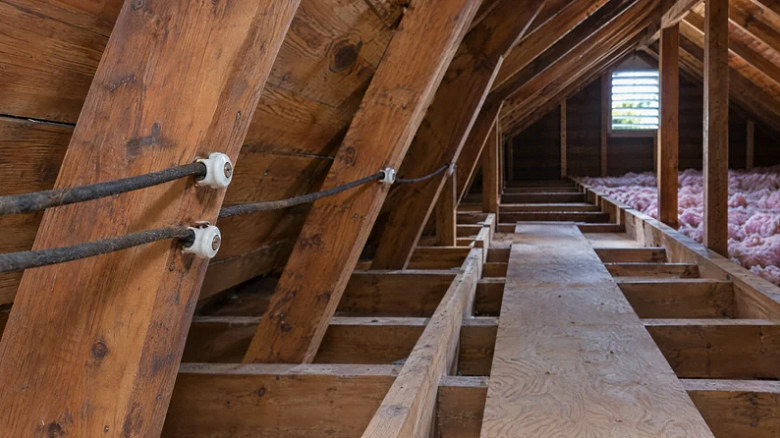
Found knob-and-tube before insulation? Establish what is active first
Before insulating an older home, distinguish active knob-and-tube from abandoned remnants and coordinate documented electrical work.

Aluminum wiring repair or replacement: compare the completeness of the scope
Compare aluminum branch-wiring proposals by repair method, circuit coverage, access, retained wiring, and insurer documentation.

A larger subpanel can add spaces without adding available power
Understand subpanel enclosure ratings, feeder limits, upstream capacity, and the access work hidden in a larger-panel quote.
FIVE PRACTICAL GUIDES
Commercial electrical
Capacity, equipment compatibility and a useful project handover.

Check a commercial space’s electrical capacity before signing the lease
A prelease electrical review connects equipment needs, tenant feeders, building capacity and landlord responsibilities before the opening date is committed.
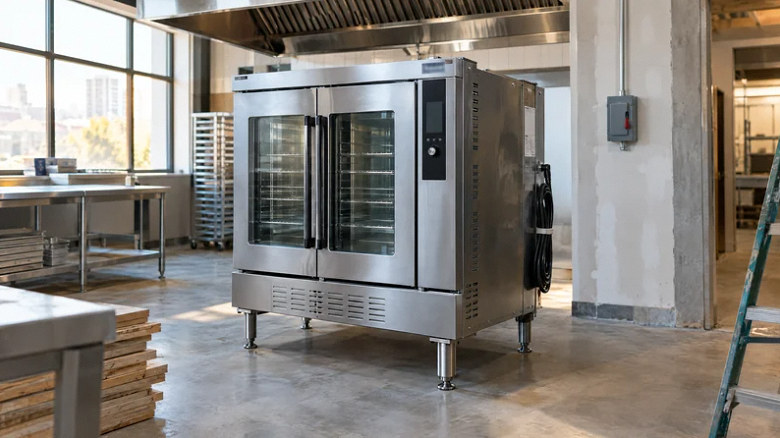
Before buying restaurant equipment, match its voltage and phase to the building
Avoid an electrical mismatch by reviewing the actual appliance documentation, existing supply and kitchen connection schedule before purchase.

LED retrofit flicker: review the fixture, driver and control as one system
Distinguish compatibility, low-end dimming, programming and electrical problems before replacing commercial lighting by guesswork.

Commercial lighting acceptance testing: plan the handover before installation
Connect the permitted lighting design, installed controls, certified acceptance testing and facility operating records before the final inspection.
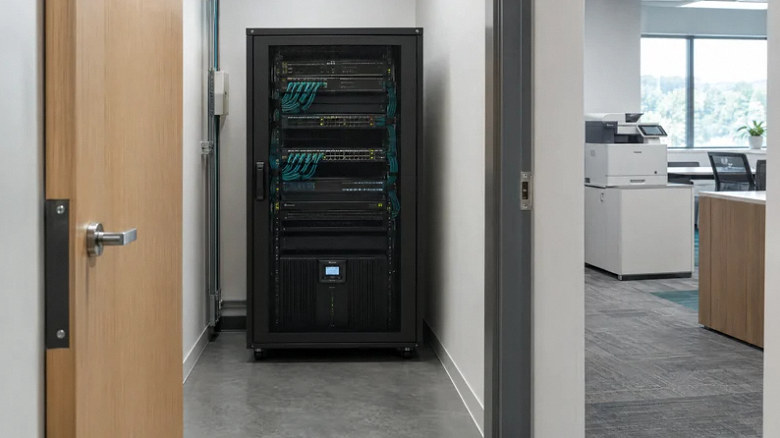
Office network power problems: investigate the supply before buying a larger UPS
Map circuits, connected loads, UPS limits and the complete network path to diagnose reboots and create a useful office power scope.
FIVE PRACTICAL GUIDES
Service & emergency calls
Recognize urgent symptoms and prepare for professional diagnosis.

A breaker keeps tripping: ask for diagnosis before another replacement
Recurring breaker trips require a documented circuit and equipment diagnosis, especially when a previous breaker replacement did not solve the symptom.

Flickering lights and partial power: describe the extent before assuming it is a bulb
Map flickering and partial power by extent, preserve the event history, and coordinate utility and electrician findings without opening equipment.

Several outlets are dead and the GFCI will not reset: what the symptom can mean
A nonresetting GFCI and several dead outlets require a supply and protection map, with model-specific interpretation and a documented diagnosis.
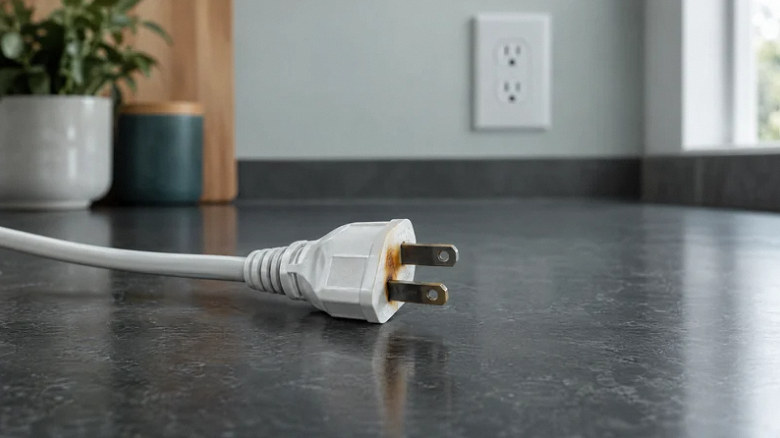
Burning odor or buzzing at electrical equipment: respond before researching the cause
Treat electrical burning odor and abnormal buzzing as response and diagnosis questions, with clear emergency boundaries and repair records.
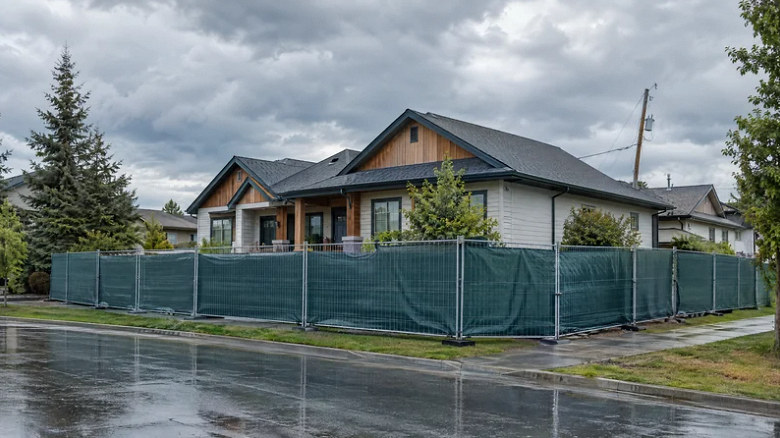
Storm damage to a service mast: coordinate safety, repair, inspection, and reconnection
Storm-damaged service equipment needs a coordinated safety, customer repair, building restoration, inspection, and utility reconnection plan.
FIVE PRACTICAL GUIDES
Home EV charging
Connections, shared power and the reasons charging stops.
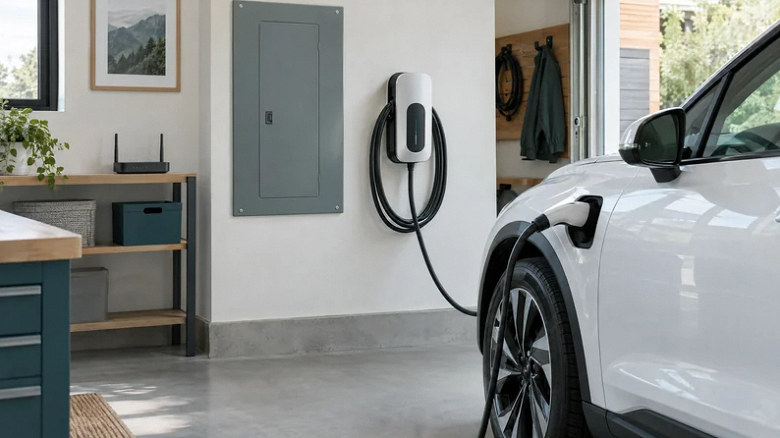
Will managed EV charging still work when the internet goes down?
Ask for an offline and fault-behavior handover for the exact charger and control system. App connectivity, household load sensing and charging schedules are different functions.

Hardwired EV charger or NEMA 14-50: compare the complete installation
Choose the connection method after checking the charger, existing circuit and intended use. A familiar outlet shape does not establish that an installation is suitable for years of EV charging.
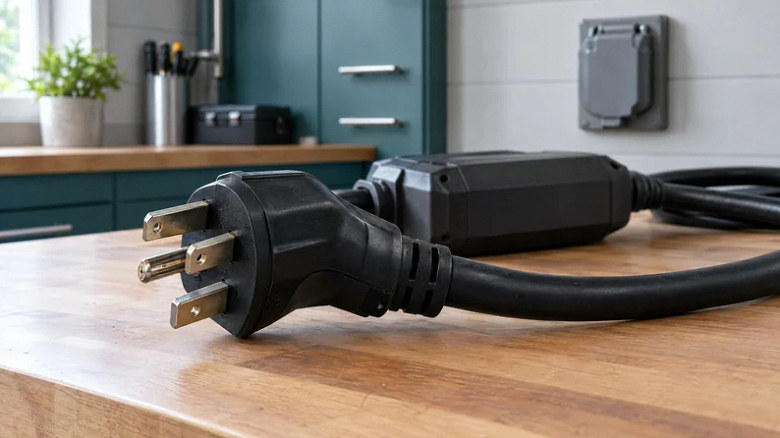
EV charger trips or a hot plug: what to record before the service call
Stop using visibly damaged or overheating charging equipment. Separate a breaker trip, a charger fault and a vehicle schedule so the electrician can investigate the actual interruption.
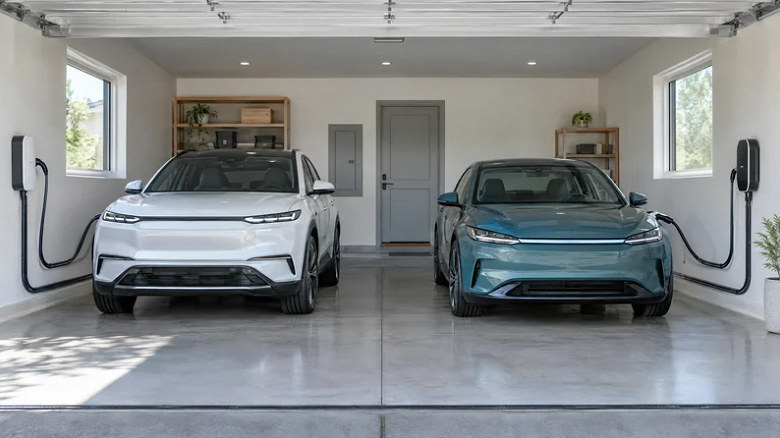
Two EVs at home: specify power sharing before adding a second charger
Two charging stations can share an approved limit only through a supported design. Charger-to-charger sharing and whole-home load monitoring answer different capacity questions.

Detached-garage EV charging: what a route-based quote should include
Compare detached-garage proposals by the verified supply and the entire route, including excavation, access, surface restoration and commissioning. Panel-to-garage distance is only one part of scope.
FIVE PRACTICAL GUIDES
Commercial & fleet charging
Parking, utility milestones, billing and reliable daily operation.

Fleet charging: size the plan around daily energy and departure times
Use route energy, return times, charging windows and vehicle limits to determine fleet charging needs instead of starting with one maximum-power charger per vehicle.
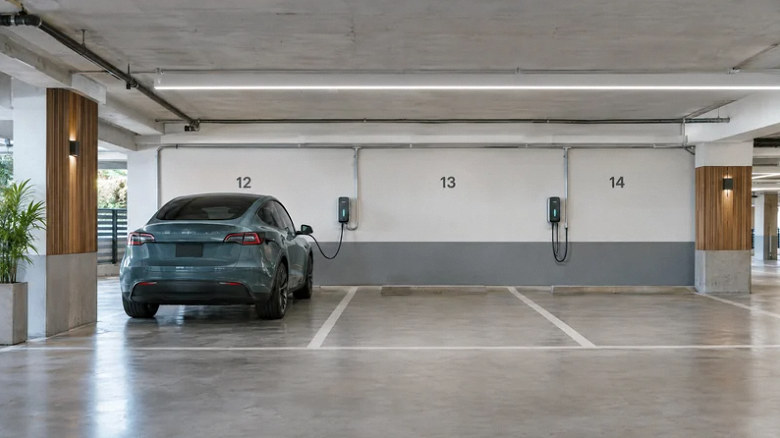
HOA EV charging: decide who owns the wiring and pays the operating costs
Compare assigned-space and shared charging while defining electrical boundaries, billing records, maintenance and future resident access.
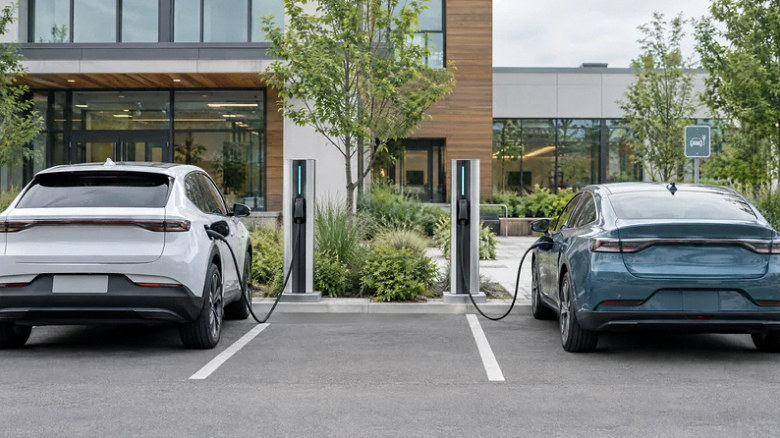
Workplace EV charging: design sharing and billing before the first conflict
Match charging equipment to employee access, turnover, fleet priority, payment and the actual energy available during work hours.
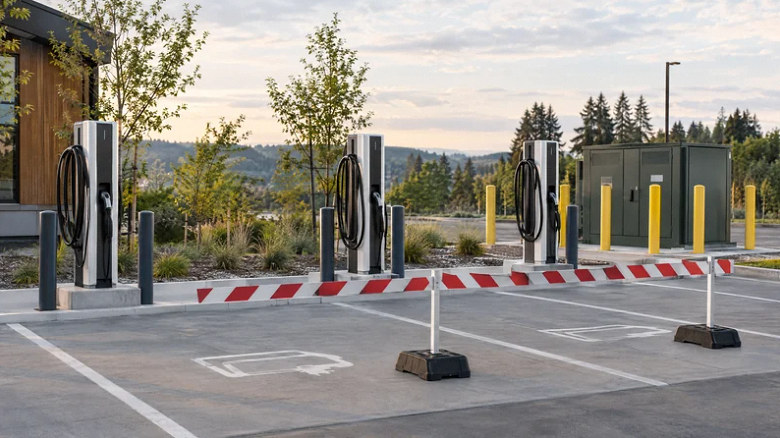
EV make-ready work: separate installed chargers from utility energization
Plan site design, utility capacity, property permissions, construction, inspections and activation as separate milestones for commercial charging.
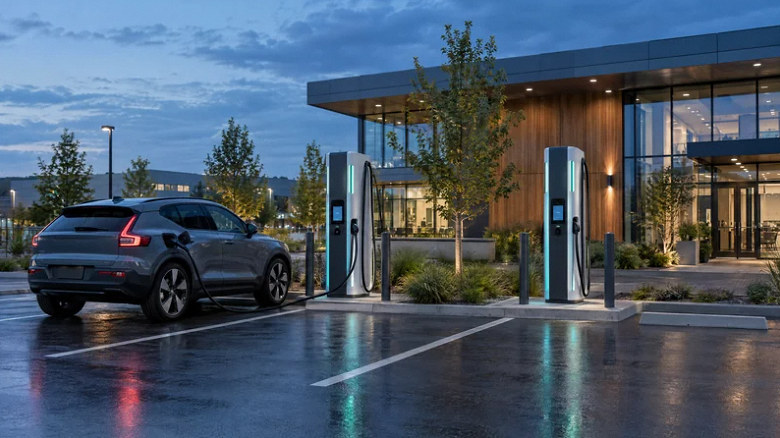
DC fast charging operating costs: model the tariff, utilization and support together
Evaluate commercial fast charging with site-specific utility charges, session behavior, network contracts, maintenance and equipment availability.
FIVE PRACTICAL GUIDES
Home energy systems
Battery runtime, solar approvals and electrification planning.

Home battery runtime: define essential loads before choosing whole-home backup
Backup coverage, output power and stored energy are separate decisions. Define which loads must operate, how long they must run and the conditions behind every runtime estimate.

Why rooftop solar can stop during an outage, and what backup requires
Ordinary grid-connected solar does not automatically supply the home when the utility fails. Outage operation requires a complete supported design with a defined backup boundary.

Solar passed inspection but has no PTO: track the remaining approval
A passed local inspection and utility permission to operate are separate milestones. Track the complete application, final documents, corrections and written authorization before declaring the system operational.

Electrifying a 100-amp home: choose equipment and sequence before construction
A 100-amp label is a starting fact, not a complete electrification plan. Review the actual loads, equipment choices and construction dependencies before buying appliances or committing to an upgrade.
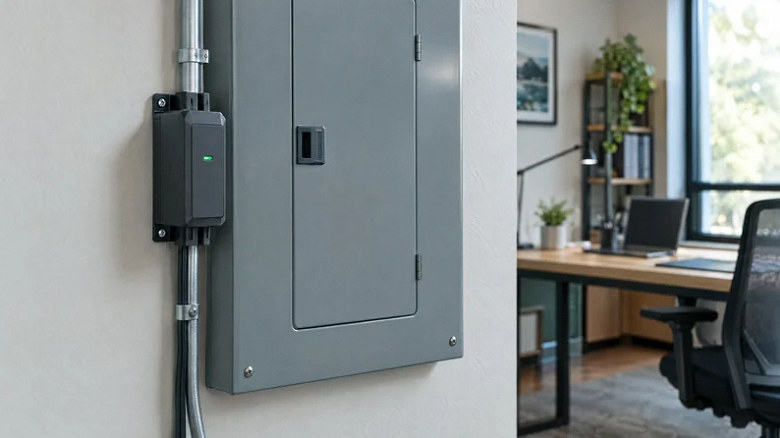
Whole-home surge protection: what it can protect and what it cannot fix
A surge protective device limits transient events within its design. It does not provide outage power or replace diagnosis of flickering lights, repeated trips or damaged wiring.
No matching guides
Try a shorter phrase, such as “charger,” “lights” or “solar.”
