
Home EV charging · 6 min read
EV charger trips or a hot plug: what to record before the service call
Stop using visibly damaged or overheating charging equipment. Separate a breaker trip, a charger fault and a vehicle schedule so the electrician can investigate the actual interruption.
YKCA Journal · Sources reviewed October 3, 2026
Explore the guide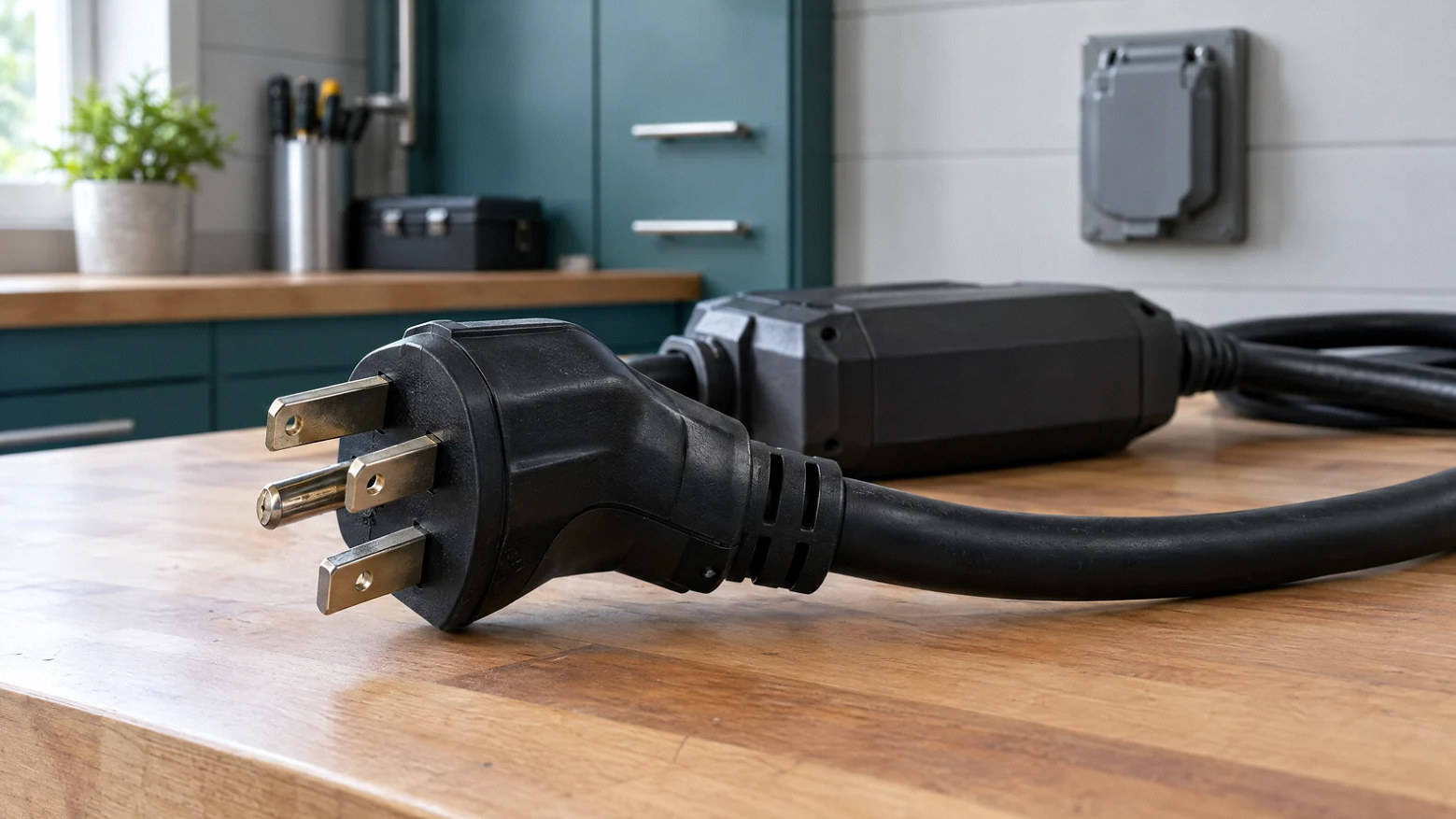
Home EV charging: browse all five guides ↗
The key decision
Stop using visibly damaged or overheating charging equipment. Separate a breaker trip, a charger fault and a vehicle schedule so the electrician can investigate the actual interruption.
Start with the symptom you can observe
A charger that stops overnight can leave the car short of the energy needed for work. Before buying a replacement station, establish what stopped: the vehicle request, the charging equipment or the electrical supply. If there is a burning odor, smoke, arcing, melted material or visible damage, stop using the equipment and arrange the appropriate urgent response. Do not touch a damaged plug or open equipment to investigate.
For an interruption without visible danger, record what the vehicle and station show. Did a breaker actually move to its tripped position, or did the app simply report a stopped session? Those are different observations. A photograph of an accessible status indication, the session time and the station model can help a service contractor prepare. It is not necessary to identify the electrical cause yourself before requesting service.
Three interruptions can look similar
A vehicle may wait because its schedule or charge limit has been reached. A station may decline charging because of access control, configuration, a protective condition or an equipment fault. A loss of supply can leave the station without lights. Tesla support distinguishes vehicle-not-requesting, configuration-not-ready and no-supply states for its Wall Connector. Use the guidance for your exact equipment; colors and meanings are not universal across brands.
An app message can also arrive late or reflect a previous session. Note the time on the message and whether the car is actually connected. If a breaker has tripped, report that separately from the app wording. This prevents a service visit from starting with a mistaken assumption that every paused session is an overloaded circuit or every power interruption is a broken charger.
Source: Tesla: Troubleshooting a Wall Connector · ChargePoint: Home Flex Installation · Department of Energy: Charging Electric Vehicles at Home
Timing is useful evidence, not a diagnosis
Tell the electrician whether charging fails immediately, after a long session, only with one vehicle or after a recent change. Include weather exposure, the first date it happened and whether there were simultaneous household symptoms. A long delay can help the investigation, but it does not establish a single cause. Do not conclude that the breaker is defective simply because the station worked for months.
The same caution applies when lowering the charging setting appears to postpone the interruption. That observation belongs in the service history, but it does not prove the installation is now safe or identify the repair. A lower demand can change several conditions. Ask the contractor to review the circuit and equipment configuration rather than repeatedly trying higher or lower settings to see how long the system runs.
Source: Tesla: Troubleshooting a Wall Connector · ChargePoint: Home Flex Installation · Department of Energy: Charging Electric Vehicles at Home
Gather information without opening equipment
Useful owner information includes the station make and model, installation date, installer records, vehicle model, normal charging setting and any recent changes. Examples include a different vehicle, new station firmware, a replaced router, an additional appliance or moving the charging cable. Provide accessible photographs from a safe position. Do not remove panel covers, disconnect conductors or reach into a receptacle box to collect evidence.
Describe visible condition in plain language: discoloration, a warped plug housing, an unusual odor or a station that has lost its lights. Do not perform a touch test on a suspect connection. If you have already stopped charging, leave the equipment out of service until the contractor gives the appropriate next step. The service request should make the urgent symptoms clear before the appointment is scheduled.
What a diagnostic visit should resolve
The contractor should distinguish supply, installation, station and vehicle questions, then document findings within the agreed scope. The exact checks depend on equipment instructions and the site. Relevant design information includes the protective device, circuit arrangement, supported charging limit and existing connection method. A plug-in station adds a receptacle and supply cord that also need consideration when damage or heating is suspected.
Ask whether manufacturer support or a separate vehicle evaluation may be necessary if the electrical investigation does not resolve the problem. A service contractor should not promise that replacing a charger will fix an unexplained interruption. Nor should required protection be bypassed because an online discussion calls it redundant. Any revised connection or protection arrangement must follow the actual applicable requirements and manufacturer-supported installation.
An illustrative repeat-trip scenario
Imagine a station that normally charges a commuter vehicle overnight. After a weekend trip, the car arrives with a much lower battery level and the next session is interrupted several hours later. The owner lowers the requested current and a later session lasts longer, but it also stops. The useful service record includes both session durations, the exact breaker observation, station indications and the recent long trip.
It does not say that a longer session proved a thermal fault, or that the car caused the problem. The electrician reviews the installed configuration and condition, while equipment support may help interpret station logs. Until the investigation is complete, the household plans alternative charging rather than repeating a suspected unsafe session. This example illustrates how to preserve evidence; it is not a diagnosis of a real customer installation.
Quote the investigation before the replacement
A service estimate should explain the diagnostic visit, the accessible parts of the system it covers and what further work requires a separate authorization. If damage is found, ask which components require replacement, what has been inspected for reuse and whether permit or inspection coordination is part of the repair. A receptacle replacement and a conversion to hardwire are different scopes.
Also clarify equipment warranty responsibilities. Manufacturer coverage, contractor labor and damage to an existing installation may have different terms. Keep the original product receipt, installation record and service findings. Do not assume a new charging station includes investigation of the upstream supply, or that an electrical service call includes vehicle repairs. Clear boundaries help avoid paying twice for the same unresolved symptom.
Verify the repair against the reported problem
A useful completion record states what was found, what changed, the approved configuration and how operation was verified. If the interruption occurred only after hours, a brief start-of-charge demonstration has a limited meaning. Ask how the contractor plans to confirm the repair or monitor the condition within safe, supported procedures. The verification should reflect the symptom that triggered the visit.
Keep the record for the next vehicle or equipment change. When requesting EV Charger Service and Repair, describe the interruption rather than naming a presumed fix. If you need urgent charging while equipment is out of service, use a suitable alternative location. Do not create an extension-cord or adapter workaround around a damaged circuit. The practical objective is a documented reason the installation can return to normal use, with any remaining equipment or vehicle question clearly identified.
Put it into practice
A decision table to keep handy
| Situation | Decision to resolve | Evidence to request |
|---|---|---|
| No charging; breaker unchanged | Check vehicle request and station status | Exact status meaning and schedules |
| Breaker physically tripped | Investigate supply and installation | Circuit configuration and service findings |
| Hot, discolored or melted connection | Stop use and assess damage | Extent of damage and approved repair |
| Problem only with one vehicle | Separate vehicle from station questions | Session evidence and manufacturer support |
Bring this to the conversation
Your next-step checklist
Common questions
Can I keep resetting the breaker to finish charging?
Repeatedly resetting a recurring fault can conceal the problem. Stop relying on that circuit and arrange diagnosis. Immediate hazards need an urgent response.
Does a cooler plug at lower current prove the problem is solved?
No. A changed observation does not establish the cause or the condition of every connection. Report it to the electrician and have the installation assessed.
Should I replace the charger first?
Only when findings support that decision. Supply, wiring, connection condition, configuration and vehicle behavior can all require separate investigation.
The questions behind this guide
Problems people are trying to solve.
These public discussions illustrate reader concerns. They are not technical instructions, local survey results or evidence of work performed by YKCA.
- Help. EV Charger Keeps Tripping Breaker!
An owner reduced charging current after delayed trips, then saw the interruption recur after a longer session.
Check the original guidance
Sources & review date
Primary guidance and available source excerpts reviewed October 3, 2026. Requirements and program terms can change; verify the current instructions for your property and project before committing to work.
Continue with the next decision
Related guides
Ready to discuss work at your property?
Discuss this service with YKCA ↗