
Residential electrical · 7 min read
Found knob-and-tube before insulation? Establish what is active first
Before insulating an older home, distinguish active knob-and-tube from abandoned remnants and coordinate documented electrical work.
YKCA Journal · Sources reviewed October 3, 2026
Explore the guide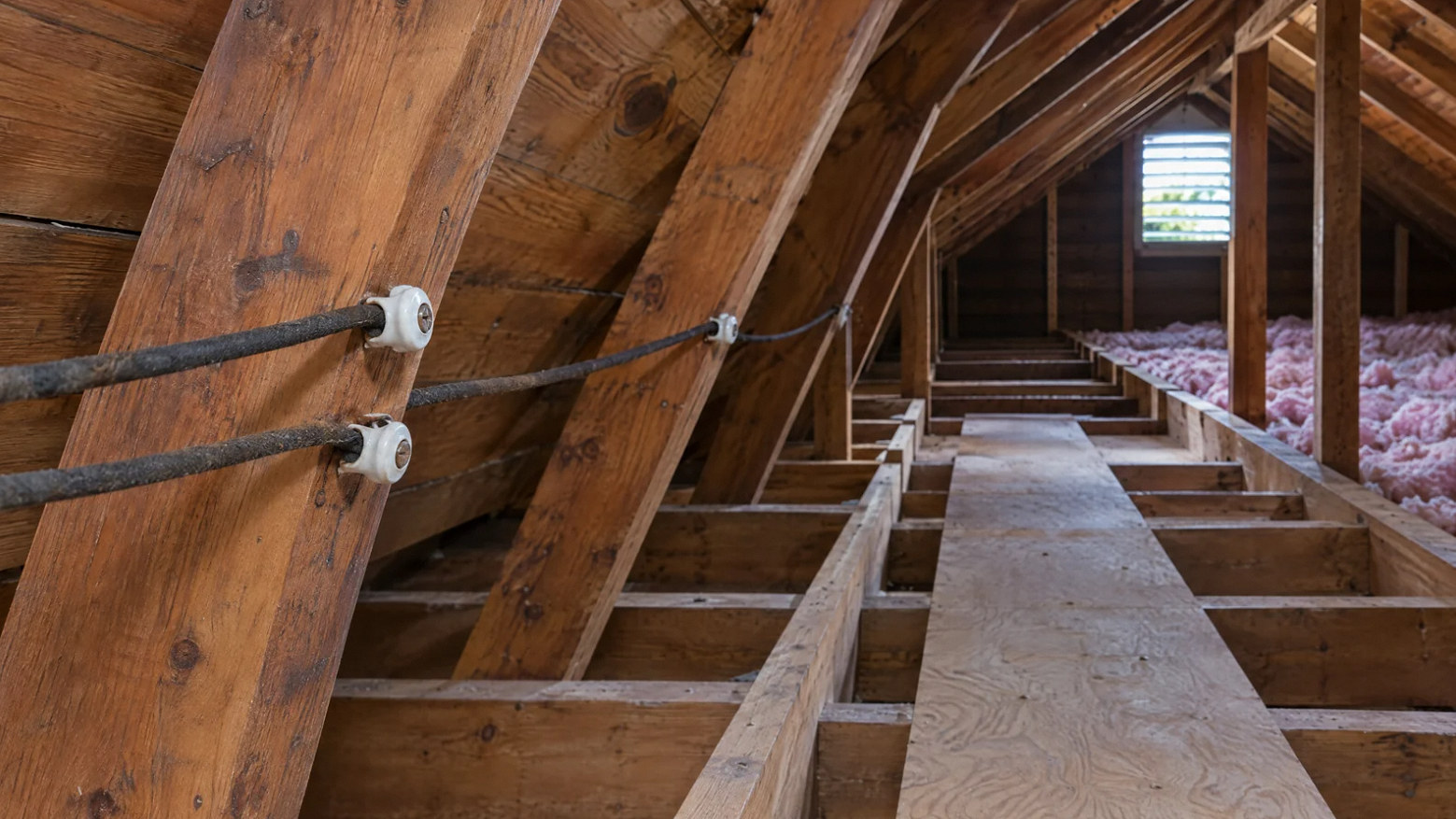
Residential electrical: browse all five guides ↗
The key decision
If suspected knob-and-tube wiring is discovered before insulation or finishing work, pause work that would cover or disturb it and arrange a qualified electrical assessment. Establish whether the visible material is actually knob-and-tube, whether any of it remains active, and which rooms or devices it serves. A photograph of a ceramic knob is evidence of a former installation, not proof of an active circuit or proof that all old wiring has been disconnected.
Pause concealment and define the wiring
Do not ask an insulation crew to resolve electrical uncertainty by covering it, and do not remove or probe the wiring yourself. The useful next step is a defined assessment and coordination plan. Once the electrician has identified the remaining system, the owner can evaluate a targeted replacement, broader rewire, or another documented approach acceptable to the reviewing authority and the people responsible for the insulation project.
Old appearance can hide a mixed system
HUD's rehabilitation guide describes knob-and-tube as a historic two-wire system supported by porcelain components and lacking an equipment grounding conductor. It also describes later wiring methods. In a renovated house, those generations may coexist. New cable at the panel, modern switches, and three-prong receptacles do not by themselves establish what is concealed between them.
Ask the electrician for a circuit map and a written distinction between confirmed active wiring, confirmed abandoned material, and areas that remain unknown. That vocabulary prevents two common mistakes: treating every old remnant as an active danger, and declaring the house fully rewired because the accessible equipment looks modern. If a junction transitions from newer wiring to an older circuit, the assessment should identify the downstream extent as far as reasonably verifiable. The goal is an evidence-based scope rather than a house-wide conclusion from one attic photograph.
Insulation creates a sequencing question
The DOE weatherization guidance reviewed for this article warns against installing insulation over live knob-and-tube wiring. It is historical program guidance, not a California-specific approval for your attic. Have the electrician and insulation professional confirm the applicable requirements and the accepted work sequence with the local authority where needed. Do not substitute a forum's claim that a particular insulation product lets the wires breathe for that review.
The sequence should identify who evaluates the electrical system, who performs any necessary replacement or disconnection, who verifies the result, and when insulation can proceed. If only one section is being addressed, the records must state its boundaries. An attic cleared for work does not automatically establish that every concealed wall circuit has been renewed. Keep the electrical work, insulation work, and any inspection records connected so future contractors do not have to repeat the same uncertainty.
Source: DOE Midwest Weatherization Best Practices Field Guide
Choose replacement boundaries by circuit, not convenience
A targeted replacement can be useful when the remaining old wiring has a defined extent. A broad rewire may be more practical when circuits are intertwined, access is already open, or multiple unresolved sections remain. Neither choice should be based only on how much insulation is scheduled this week. Ask what the proposed work will eliminate and what will still be present afterward.
The quote should identify rooms, fixtures, receptacles, routes, and retained circuits. It should also define what happens if concealed branches are discovered. If two contractors propose very different boundaries, ask both to describe the finished condition in plain language. One may be bidding replacement of a visible attic run; another may be bidding removal of all identified active knob-and-tube serving several floors. Without that distinction, the homeowner can mistake a smaller scope for a cheaper way to obtain the same result.
Ask how the contractor will demonstrate that a replaced circuit no longer relies on the identified old section. A room working after the job is not, by itself, a record of the concealed route. The completion description should connect the new circuit to its served locations and state what old material remains physically in place. Abandoned remnants and active retained wiring should never be grouped under one ambiguous phrase such as old wiring left behind.
Protect old finishes and assess materials before disturbance
Old homes often combine electrical questions with plaster, painted trim, unusual insulation, or previous repairs. Do not move unknown attic material to obtain a better photograph. Discuss environmental material evaluation and access with the appropriate professionals. EPA's renovation guidance explains why lead-safe practices matter when covered renovation work disturbs older painted surfaces.
Decide which architectural features must be preserved and who handles the necessary openings and finish repair. The desire to avoid plaster damage is legitimate, but it should lead to a reviewed access strategy rather than concealment of unresolved wiring. Ask whether routes through accessible utility areas are possible and where exploratory openings may still be needed. If temporary relocation, furniture movement, or staged insulation is necessary, put those arrangements into the project sequence. A wiring decision becomes much easier when its building impact is described honestly.
Source: EPA Renovation, Repair and Painting Program: Consumers
An illustrative attic discovery
Imagine an owner planning attic insulation who sees porcelain supports and several newer cable runs. The owner has an invoice for a past panel replacement, but no branch-circuit records. The electrician's assessment finds some abandoned remnants and an active lighting circuit that continues into two rooms. The owner now has a smaller, clearer question than whether the entire house is original: how to replace and document that active circuit before the attic work proceeds.
This is an illustrative scenario, not an actual YKCA job. The finished scope could include routing the replacement circuit, addressing the served devices, recording the old circuit's disposition, and coordinating insulation after the required checks. If additional unknown wiring is found, it becomes a documented scope change. The owner does not need to decide everything from a photograph; the assessment converts an alarming discovery into a defined work package with a known remaining boundary.
If the insulation project must proceed in stages, ask both contractors to mark the stage boundaries on the same simple plan. A vague instruction to stay away from old wiring leaves the insulation installer guessing. The professional plan should identify the cleared work area, the area still awaiting evaluation, and who confirms each transition. Keep that plan with the circuit records rather than relying on a verbal message between crews. If the insulation appointment changes, reconfirm the electrical status before work resumes. A calendar delay does not automatically change which circuits remain active or which areas have been verified.
Avoid insurance assumptions and collect useful proof
Insurance acceptance is a separate decision from the electrician's assessment. Ask your insurer what documentation it requires and obtain that requirement in writing. Do not assume a new panel, a few GFCI receptacles, or a contractor invoice automatically satisfies underwriting. The insurer may ask a different question, such as whether any active knob-and-tube remains, which requires records that match that specific question.
At handover, collect the scope, circuit identification, replaced and retained areas, inspection status, and any explicit limits of verification. Discuss the discovery through the whole-house rewiring service, with existing renovation records and photographs taken from ordinary safe locations. The practical objective is to establish what is active, choose an appropriate replacement boundary, and keep later insulation or finishing work from erasing the evidence needed to verify that result.
Put it into practice
A decision table to keep handy
| Situation | What to clarify | Planning implication |
|---|---|---|
| Porcelain components visible | Are conductors present and active? | Require professional identification before concluding extent. |
| Modern panel, unknown circuits | What records establish branch replacement? | Assess wiring separately from equipment appearance. |
| Insulation appointment booked | What electrical clearance and sequence are required? | Pause concealment until responsibilities are resolved. |
Bring this to the conversation
Your next-step checklist
Common questions
How should knob-and-tube replacement be scoped?
Start with professional identification and circuit mapping. The proposal should identify active sections being replaced, served devices, retained wiring, access and finish work, and how the final result will be documented.
Can modern outlets prove the old wiring is gone?
No. Visible devices and panel equipment do not establish the concealed route. A mixed system needs circuit-specific evaluation and records.
Can I insulate first and deal with wiring later?
Do not conceal suspected active knob-and-tube while its status and the applicable insulation requirements remain unresolved. Coordinate the electrical evaluation and accepted sequence before insulation proceeds.
The questions behind this guide
Problems people are trying to solve.
These public discussions illustrate reader concerns. They are not technical instructions, local survey results or evidence of work performed by YKCA.
- Knob & Tube Under Insulation + Rewire Advice
Homeowner discovers mixed old and modern wiring beneath insulation while family timing makes a rewire difficult
Check the original guidance
Sources & review date
Primary guidance and available source excerpts reviewed October 3, 2026. Requirements and program terms can change; verify the current instructions for your property and project before committing to work.
Continue with the next decision
Related guides
Ready to discuss work at your property?
Discuss this service with YKCA ↗