
Sewage & Category 3 cleanup · 5 min read
Sewer Odor Remains After Cleanup: What to Investigate Next
Separate incomplete material cleanup, plumbing conditions and air movement before buying another treatment for a persistent sewer-like smell.
YKCA · References checked 2026-10-03
Start with the essentials
Decisions before approving work
At a glance
Three things to keep in view.
Record the pattern
Describe location and timing without diagnosing the substance.
Connect the records
Review source repair, material cleanup and equipment findings together.
Target the next step
Authorize investigation or treatment only for a defined unresolved question.
The key point
Describe location and timing without diagnosing the substance.
The waste line was repaired and the room cleaned, but a sewer-like odor remains in the bedroom or near a vent. That deserves a documented follow-up. It does not establish from smell alone that the cleanup failed, that every duct is contaminated or that a specific gas is present. The next task is to connect the remaining observation with the repair and cleanup records. If there is an immediate suspected gas or other hazardous condition, leave and contact the appropriate emergency service or utility.
Related service: Sewage & Category 3 cleanup questions and planning
Preserve the complaint as an observation
Record where the odor occurs, when it becomes noticeable and whether normal fixture use or HVAC operation coincides with it. Include whether the complaint began before the backup, changed during repairs or appeared after a particular cleaning product was used. Avoid deliberately provoking the odor by running suspect systems or entering restricted spaces.
Use descriptions that a professional can investigate. A location and timing are more useful than a confident diagnosis based on an internet comparison. Tell the project manager promptly and ask for acknowledgment. The concern should remain on the job record even if it comes and goes or cannot be reproduced during the first callback.
Review what the plumbing repair established
Ask the plumber for the identified defect, repair performed and check afterward. Clarify whether the repair addressed the cause of the backup or only restored flow temporarily. A cleared line and a repaired broken pipe are different findings. The record should use the correct description rather than treating every plumbing visit as a complete source investigation.
Share the odor pattern and ask whether another plumbing assessment is warranted. Possible assignments may include evaluating relevant fixtures, drain connections or venting, but the appropriate methods belong to the plumber. Do not pour a sequence of chemicals into drains or dismantle connections to test theories yourself. That can introduce hazards and obscure the original condition.
Review the cleanup boundary separately
Request the restoration map and the list of materials removed, cleaned or retained. Compare the odor location with areas known to have been affected. Ask whether floor edges, concealed layers or adjoining assemblies were inspected and what remained inaccessible. An omission needs investigation; it should not be filled by an assumption that the unseen area was either clean or contaminated.
Ask the remediator to review the original boundary in light of the current complaint. If new access is proposed, define what question it will answer and how findings will be documented. Keep further demolition conditional on observed conditions rather than agreeing to remove an entire room because the odor is difficult to locate.
Evaluate airflow without declaring ducts the source
If the smell is strongest during system operation, give the HVAC professional the event history and known affected areas. Air movement can make a building source more noticeable. Request an assessment of relevant equipment, ducts and adjacent conditions rather than a cleaning order based solely on the timing of the odor.
EPA's duct guidance supports cleaning decisions tied to actual conditions and addressing underlying causes. If contamination is identified, ask which components and materials are involved. If none is identified, ask what remains unexamined. The HVAC assessment should help the plumbing and restoration teams narrow the problem, not become a third disconnected invoice for a generic treatment.
Avoid masking the remaining evidence
Tell the evaluators which deodorizing products have already been used and when. Ask whether further product use would make locating the original odor more difficult. EPA emphasizes source control in indoor-air improvement. A fragrance or broad treatment may change what you smell while leaving the reason for the complaint unresolved.
If another treatment is proposed, request the target, mechanism, product information and expected result. Ask what source-removal work supports it and what happens if the smell returns. Do not accept a repeated application solely because the first did not work. The next step should follow a new finding, a documented omission or a clearer explanation.
Agree on one coordinated callback plan
Arrange a shared review when the issue spans plumbing, restoration and HVAC. Give each professional the same chronology and records. Assign each unresolved question to a specific person and request a written result. This reduces the tendency for each company to say the problem belongs to another trade without explaining why.
Use a short decision log: observation, proposed investigation, finding and next action. Close questions only when the relevant evidence arrives. If a test is recommended, establish its purpose and interpretation before it is performed. A generic air test cannot be assumed to answer every question about plumbing gases, microbial contamination and residual cleaning chemicals at once.
Separate completion from personal health decisions
The room's return to use should reflect the cleanup, repairs and appropriate specialist assessments, not simply the disappearance of an odor. Likewise, an odor remaining after work should prompt review without being used to diagnose a person's illness. Seek medical advice for symptoms or household-specific concerns.
At closeout, retain the plumbing findings, restoration review and any equipment assessment together. Record unresolved limitations honestly if the cause could not be conclusively established. This file gives the next evaluator a useful starting point and prevents repeating already completed checks. The goal is a justified correction and reviewable outcome, not a promise that a contractor can identify every invisible condition by smell.
Common questions
Does sewer odor after cleanup prove contaminated material was left?
No single smell observation proves the cause. It warrants follow-up covering the plumbing repair, cleanup boundary and any relevant equipment or airflow conditions. Document the findings before selecting another treatment.
Should I have ducts cleaned if the smell comes from a vent?
Request an HVAC assessment in coordination with plumbing and restoration. A vent can reveal an odor without being its source. Cleaning should address identified conditions, not replace investigation.
Sources and further reading
References checked 2026-10-03. Guidance depends on the loss, affected materials, scope of work and property conditions.
The homeowner question behind this guide
These public discussions informed the questions addressed here. Personal experiences and comments are not technical findings or proof of insurance coverage.
Discuss the next step for your property.
Share what happened, which areas are affected and the decisions you need help with.
Discuss sewage & category 3 cleanupRelated decisions
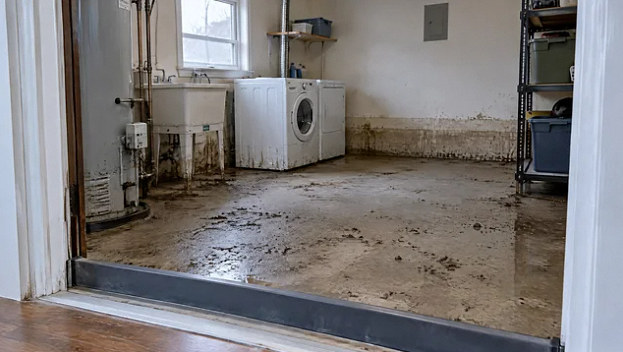
First decisions · 5 min read
Sewage and Floodwater: Questions Before Cleanup Begins
Understand why contaminated water changes cleanup decisions, what to ask about belongings, and how to document damage safely.
Read the guide
Documentation · 3 min read
Before You Sign a Water Damage Work Authorization
Clarify the initial scope, payment responsibility, equipment charges, changes, and handoff before restoration work begins.
Read the guide