
Sewage & Category 3 cleanup · 5 min read
Sewage in the Crawlspace: Coordinating the Plumber and Cleanup Crew
Resolve the access-and-repair sequence when a plumber cannot work until sewage is removed and cleanup cannot finish until the leak stops.
YKCA · References checked 2026-10-03
Start with the essentials
Decisions before approving work
At a glance
Three things to keep in view.
Control use
Obtain instructions to limit further discharge and avoid crawlspace entry.
Coordinate access
Give plumber and restoration crew one shared repair sequence.
Close both scopes
Retain source-repair and restoration completion records together.
The key point
Obtain instructions to limit further discharge and avoid crawlspace entry.
The plumber can repair the broken waste line but will not enter a crawlspace full of sewage. The cleanup company can remove the waste but needs to know the flow has stopped. That is a coordination problem requiring a shared sequence, not a reason for the homeowner to crawl under the house. The actual access, contamination, utilities and building conditions must be assessed on site. This guide helps you assign the tasks and document the handoffs.
Related service: Sewage & Category 3 cleanup questions and planning
Keep people out and report the active condition
Keep the crawlspace access away from children and pets, and avoid entering to take measurements or run a household pump. Tell responding contractors whether wastewater appears to be continuing and which fixtures were in use when the problem was discovered. Ask the plumber or responsible professional which household water uses must stop while the source is being investigated.
If electrical equipment or wiring may be affected, report that too. Do not cross a wet area to operate switches. CDC and EPA flooded-building guidance emphasizes electrical and other entry hazards. The crawlspace's low clearance does not make these issues smaller; it may make access and evaluation more difficult.
Give both trades the same event record
Provide photographs taken safely, plumbing history, the approximate discovery time and any inspection notes. Ask the plumber to share the suspected break location and access needs with the restoration crew. Ask the restoration crew to explain what it needs before it can safely establish access. The owner should not have to translate technical assumptions between two separate telephone conversations.
Name the person coordinating the sequence and keep a written contact list. Record what each company has agreed to perform. “Plumber on the way” and “cleanup scheduled” do not establish whether the appointments fit together. The plan needs a specific handoff condition, not just two arrival windows.
Agree on temporary access and source control
The teams should determine how to control further discharge and create the access needed for repair. Depending on conditions, limited removal may be needed before the plumber can reach the damaged section. The professional plan should state that this is an access stage, not completed restoration of the crawlspace.
Ask who confirms the source is controlled, what temporary limitations remain and how the repair will be checked. Avoid authorizing a vague sequence in which everyone assumes somebody else stopped the flow. If repair cannot happen immediately, get a clear temporary household plan and a scheduled next action from the responsible trade. Do not improvise waste discharge or bypass arrangements yourself.
Document the affected assemblies after access improves
Once professionals can inspect, ask for a map of affected soil or ground covering, insulation, supports, subfloor surfaces and any nearby equipment. Record what was visible and what remains inaccessible. A report that only says “crawlspace pumped” does not describe the condition of the remaining materials.
Ask for material-specific decisions: removal, cleaning, drying, repair or further specialist assessment. The scope should identify why each task is needed and its approximate quantity. Do not treat all crawlspace materials as interchangeable. Where a recommendation depends on hidden conditions, include an inspection checkpoint rather than signing an unlimited expansion in advance.
Plan waste handling and protection of the home
Request the removal route, protection of occupied areas and disposal arrangements. Do not direct sewage or contaminated cleanup water into a yard or storm drain. Have the qualified contractor determine lawful handling for the actual waste and location. Keep disposal documentation when it is provided as part of the job.
Ask how equipment and workers move between affected and unaffected areas and who handles cleanup at the access point. These details matter when the hatch is inside a closet or living area. A crawlspace job can be below the home while still using an occupied route, so that route should be part of the scope and final inspection.
Separate cleanup, drying and equipment release
After removal and cleaning, ask how the remaining materials will be assessed for drying and what conditions must be met before insulation or ground covering is restored. EPA's flooded-home guidance treats material removal, cleaning, drying and needed repairs as distinct parts of recovery. A pump stopping or an odor decreasing does not establish completion of all those steps.
If ducts, electrical equipment or other systems were affected, identify the appropriate specialist and the restart conditions. Do not assume a functioning thermostat or light proves the equipment is suitable for use. Record the separate system findings so the restoration company and repair trades do not leave a gap between their assignments.
Close the loop with the plumbing repair
Obtain the repair description, relevant inspection or operational check and final photographs where available. Compare the completed plumbing work with the original source-control plan. Ask what maintenance or follow-up the plumber recommends and what signs should trigger another call. Avoid promises that a single repair prevents every future backup.
Keep that record with the restoration scope, removed-material list and completion assessment. If a smell or damp condition persists, the next professional can review both the source repair and the material work. The result should be a connected account of the event and response, rather than two invoices that each claim their part is finished while leaving the owner to guess what remains.
Common questions
Who should I call when sewage is pooled under the house?
You may need both a plumber for the source and a restoration professional for safe access and cleanup. Ask them to coordinate source control, limited access removal, repair and final restoration. Do not enter the contaminated crawlspace yourself.
Can cleanup be finished before the broken waste line is repaired?
A limited access stage may be necessary, but final cleanup needs a coordinated source-control and repair plan. Have the teams define the sequence and document which temporary conditions remain.
Sources and further reading
References checked 2026-10-03. Guidance depends on the loss, affected materials, scope of work and property conditions.
The homeowner question behind this guide
These public discussions informed the questions addressed here. Personal experiences and comments are not technical findings or proof of insurance coverage.
Discuss the next step for your property.
Share what happened, which areas are affected and the decisions you need help with.
Discuss sewage & category 3 cleanupRelated decisions
First decisions · 5 min read
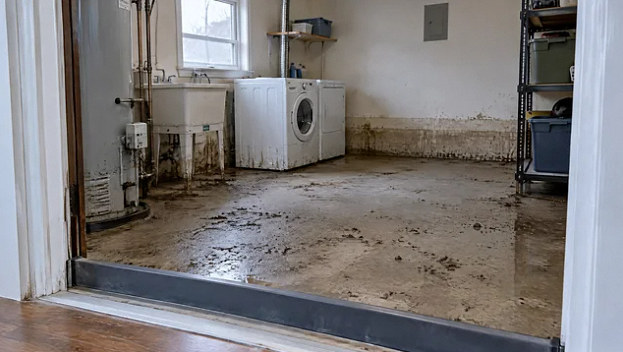
Sewage and Floodwater: Questions Before Cleanup Begins
Understand why contaminated water changes cleanup decisions, what to ask about belongings, and how to document damage safely.
Read the guide
Documentation · 3 min read
Before You Sign a Water Damage Work Authorization
Clarify the initial scope, payment responsibility, equipment charges, changes, and handoff before restoration work begins.
Read the guide