
Sewage & Category 3 cleanup · 5 min read
A City Sewer Backed Up: Preserve Evidence Without Assuming Payment
Organize the technical record, agency contact and repair authorizations when a suspected public sewer problem damages your home.
YKCA · References checked 2026-10-03
Start with the essentials
Decisions before approving work
At a glance
Three things to keep in view.
Preserve the finding
Get the location, method and written response record.
Use official channels
Contact insurer and responsible agency with traceable documentation.
Clarify payment
Understand work authorization while liability remains under review.
The key point
Get the location, method and written response record.
A field crew says the blockage was in the public main and tells you the city will take care of it. That is helpful information about what they observed, but it is not a substitute for the responsible agency's claim process or a written coverage decision. You still need safe cleanup and a clear record of what you authorize. This article is a documentation framework; it does not determine municipal liability, policy coverage or a filing deadline for your particular loss.
Related service: Sewage & Category 3 cleanup questions and planning
Address the active loss through qualified people
Keep people away from the affected area and contact the appropriate plumbing or sewer response service and a qualified cleanup professional. CDC warns that sewage contamination in flooded buildings can create health risks. Do not postpone necessary assessment while trying to settle every payment question, and do not enter contaminated areas simply to obtain evidence.
Ask who is controlling further discharge and what household restrictions apply. Record the incident or service number and the responding agency. If the problem involves a public system, ask how to obtain the response report. The immediate technical record should describe what happened and what was done, rather than use the cleanup invoice to infer the cause later.
Request a precise source finding
Ask the plumber or agency to identify the observed blockage or defect location and how it was established. Terms such as “main line” can mean different things in casual conversation. Request a diagram, video reference, written report or other available evidence linking the finding to the relevant section of pipe.
Distinguish confirmed observations from the responder's opinion about responsibility. A report can say where equipment encountered an obstruction without resolving ownership or legal liability. Keep original videos and photographs when available. If a statement is verbal, record who made it and when, then ask for the formal report rather than treating your notes as an agency determination.
Document damage before evidence disappears
Where safe, retain room photographs, affected-material maps and an inventory of damaged belongings. Ask the restoration crew for its initial documentation and removed-material records. Explain that the cause or payment may be disputed so the team understands why location labels and before-removal photographs matter.
Do not delay necessary protective work only to obtain perfect documentation. Record what could be documented and why urgent work occurred. Match invoices to tasks and dates. A claim file is easier to evaluate when it connects each expense to a documented condition instead of presenting a single large total without a clear description of the work.
Contact your insurer without assuming an outcome
Report the event through the insurer's appropriate process and request the relevant coverage position in writing. Ask which policy provisions, endorsements, limits or exclusions the adjuster considers applicable. The California Department of Insurance's residential claims guide is a useful general reference for organizing the claim and addressing questions, but your own contract and facts control the response.
Do not assume that pursuing the public agency replaces notification requirements under your policy. Also do not assume your insurer will pay first or recover from someone else. Ask directly and retain the answer. The restoration contractor can explain its scope and findings; it should not promise the financial outcome of a coverage decision it does not control.
Obtain the actual agency claim instructions
Find the responsible public entity's official claim procedure and confirm where and how a claim must be delivered. San Mateo Superior Court explains that a claim to a government agency is a distinct step in pursuing payment. Cities and sanitary districts can use different forms and delivery processes, so obtain the instructions for the actual entity involved. A maintenance service request is not necessarily the same as presenting a claim for damages.
Check the applicable time requirements promptly through the official instructions and qualified legal advice where needed. Do not rely on a neighbor's experience or a deadline quoted for a different claim type. Keep proof of submission and copies of everything provided. This article intentionally does not supply a universal deadline because the correct rule depends on the actual claim and entity.
Control your own work authorization
Ask the cleanup contractor who is contracting for the work, who receives invoices and what payment terms apply. An agency referral to a vendor does not by itself explain who owes that vendor. Read the authorization and clarify any statement that someone else will pay before relying on it.
Separate urgent stabilization, cleanup and reconstruction scopes. Request pricing assumptions, allowances and approval for additions. A written agency or insurance response may arrive after necessary initial work, so understand your commitment at each stage. If a document creates a substantial or unclear obligation, obtain appropriate advice before accepting it. The physical repair plan and the payment dispute should remain distinguishable.
Keep the file ready for an independent review
Organize a chronology, technical reports, agency correspondence, policy communications, scope versions, invoices and damage photographs. Use the same identifiers across records. If responsibility is disputed, a qualified adviser should be able to follow the event without relying on memory or an undocumented assurance from the day of the backup.
Ask for written reasons when an agency or insurer rejects a request, then use its official review or dispute process as appropriate. Do not interpret a referral, investigation or silence as acceptance of liability. Meanwhile, track the remaining physical work and its evidence separately. This preserves a clear account of both the building's recovery and the unresolved financial question.
Common questions
Does a public-main blockage mean the city automatically pays?
No. Preserve the technical finding and follow the actual agency claim process. Responsibility and reimbursement depend on the facts and applicable rules, not solely a field crew’s informal assurance.
Is reporting the backup the same as filing a damage claim?
Not necessarily. Obtain the responsible entity’s official instructions, confirm delivery and timing requirements, and keep proof of submission. Seek qualified legal advice if the obligation or deadline is uncertain.
Sources and further reading
References checked 2026-10-03. Guidance depends on the loss, affected materials, scope of work and property conditions.
The homeowner question behind this guide
These public discussions informed the questions addressed here. Personal experiences and comments are not technical findings or proof of insurance coverage.
Discuss the next step for your property.
Share what happened, which areas are affected and the decisions you need help with.
Discuss sewage & category 3 cleanupRelated decisions
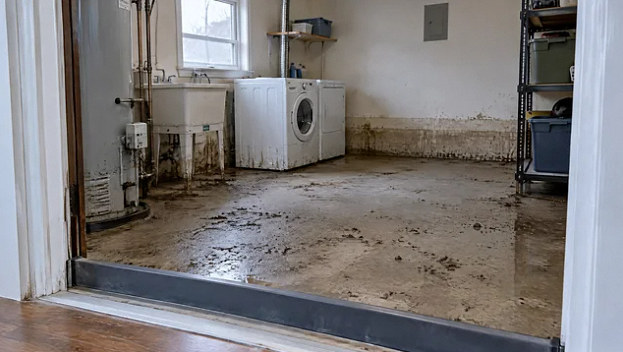
First decisions · 5 min read
Sewage and Floodwater: Questions Before Cleanup Begins
Understand why contaminated water changes cleanup decisions, what to ask about belongings, and how to document damage safely.
Read the guide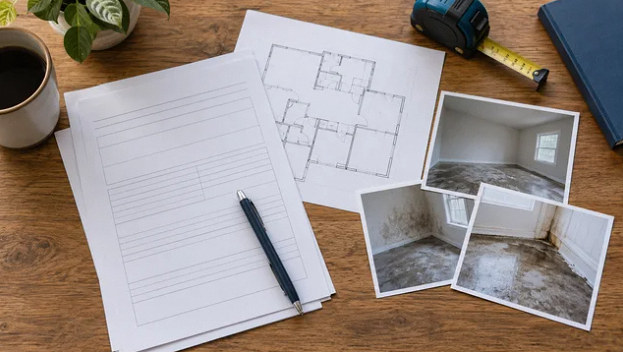
Documentation · 3 min read
Before You Sign a Water Damage Work Authorization
Clarify the initial scope, payment responsibility, equipment charges, changes, and handoff before restoration work begins.
Read the guide