
Sewage & Category 3 cleanup · 5 min read
A Shared Condo Stack Backed Up: Coordinate the Building Before Cleanup
Organize notifications, source control, unit-specific damage records and cleanup scopes when several homes share a drain system.
YKCA · References checked 2026-10-03
Start with the essentials
Decisions before approving work
At a glance
Three things to keep in view.
Coordinate notice
Use one management channel for affected units and operating restrictions.
Map the boundaries
Document pipe findings and each unit’s actual damage separately.
Close the shared loop
Confirm repair, cleanup and remaining common work before normal use.
The key point
Use one management channel for affected units and operating restrictions.
Your lowest fixture backs up even though you are not using water. A plumber is working in another unit, management is calling owners, and nobody is sure when cleanup can begin without another overflow. A shared drain event requires building coordination as well as work inside your home. The immediate goal is a reliable source-control and communication plan. This article cannot determine pipe ownership, association liability or insurance responsibility from the location of the spill.
Related service: Sewage & Category 3 cleanup questions and planning
Notify management with a factual event record
Report the backup promptly through the association or property's emergency process. Include the affected fixture, discovery time, whether flow appears ongoing and any restrictions on access. Photograph from a safe location if possible. Keep occupants and pets away from contamination and arrange professional assessment rather than beginning ordinary household cleanup.
Ask for the incident contact and the person directing the building response. Keep the message factual, particularly when another unit's plumbing work may be involved. An apparent sequence is useful evidence but does not establish fault. Preserve correspondence so later decisions can be tied to what was known at the time.
Ask who is coordinating fixture restrictions
The plumber and building management should determine which units or fixtures need restrictions while the source is investigated. Ask management to issue consistent instructions to the affected residents and confirm how updates will be delivered. A request reaching only your unit may not address a shared-line event.
Do not devise a building-wide restriction or release it yourself. Ask who will announce that normal use can resume and what check supports that decision. Record temporary changes and their time. If another overflow occurs, report it through the same incident channel so the plumber and restoration crew can update their plan from the same information.
Identify the pipe segment before discussing ownership
Request the plumber's findings about the affected branch, stack, building drain or other segment. Ask how the location was established and what access or camera record is available. A casual phrase such as “common line” may be technically incomplete. The condition report should distinguish observation, repair and any remaining uncertainty.
Then obtain the relevant association documents and written positions from management or the insurer. A shared pipe can raise questions about maintenance, damage and coverage that require document review; those answers should not be guessed by the cleanup crew. Where responsibility is disputed, seek appropriate legal or insurance advice while preserving the technical evidence.
Give every affected unit its own damage map
A shared cause does not mean identical damage in every unit. Ask the restoration team to document each inspected room, material and affected boundary separately. Record access limitations and units not inspected. A building-level summary can coordinate the response, but it should not replace the specific evidence supporting work inside your home.
Use unit identifiers in the internal project record while protecting residents' privacy in public or shared materials. Keep personal-property inventories under the appropriate owner's control. If common areas are used for access or storage, assign responsibility for their protection and cleanup. These boundaries help prevent duplication and omitted work when several contractors arrive independently.
Coordinate repair access and removal routes
Ask how the plumbing repair, contaminated-material removal and shared-area access fit together. A pipe may require opening an assembly that serves more than one unit. Define who approves that access, who documents the exposed conditions and who restores the opening. Do not assume the plumbing invoice includes every affected wall or finish. Record the unit contact, permitted access hours, key arrangements and approval contact for each opening, so a contractor cannot mistake permission to inspect a shared pipe for permission to remove private finishes.
For cleanup, request the debris route, equipment location and protection of neighboring spaces. EPA recommends experienced professionals for sewage-contaminated building work. The plan should consider the actual building layout rather than repeat a single-family-house checklist. Agree on working hours, elevator or hallway use and resident notices with the responsible building representative.
Separate authorizations and insurance assumptions
Identify the party signing each contract and the scope covered by that authorization. Management's approval of shared-line repair does not necessarily authorize all private contents cleaning or finish replacement. Ask for written clarification when a vendor is dispatched by the association but presents an owner with a payment obligation.
Notify the relevant insurer and request case-specific instructions. Keep policy questions separate from the technical assessment, using the same photographs and scope records to avoid conflicting descriptions. Do not rely on broad claims that associations always pay or owners always pay for everything inside the walls. The governing documents, facts and policies require their own review.
Confirm coordinated completion before returning to normal
Ask for the source-repair status, unit cleanup status and remaining common-area tasks in one dated update. Each can be complete at a different time. The plumbing system may be operating again while one unit remains a restricted work area. Conversely, a cleaned room may still be exposed to an unresolved shared-system problem.
Retain the final inspection and repair records, notices and callback contacts. Request a building response procedure for future incidents that identifies who receives reports, who contacts affected units and who releases restrictions. This is a practical prevention measure even when the exact cause of a future blockage cannot be predicted. It makes the next response faster and more coherent without promising that the building will never experience another backup.
Common questions
If the shared stack caused the backup, does the HOA pay for everything?
That cannot be determined from the source location alone. Obtain the plumbing findings, governing documents and written insurance or association positions. Keep the cleanup scope factual while responsibility is reviewed.
Can cleanup start while neighbors still use the affected line?
The plumber, management and restoration team should agree on source control and any temporary fixture restrictions. Limited protective work may be needed, but the plan must address the possibility of another discharge before final restoration.
Sources and further reading
References checked 2026-10-03. Guidance depends on the loss, affected materials, scope of work and property conditions.
The homeowner question behind this guide
These public discussions informed the questions addressed here. Personal experiences and comments are not technical findings or proof of insurance coverage.
Discuss the next step for your property.
Share what happened, which areas are affected and the decisions you need help with.
Discuss sewage & category 3 cleanupRelated decisions
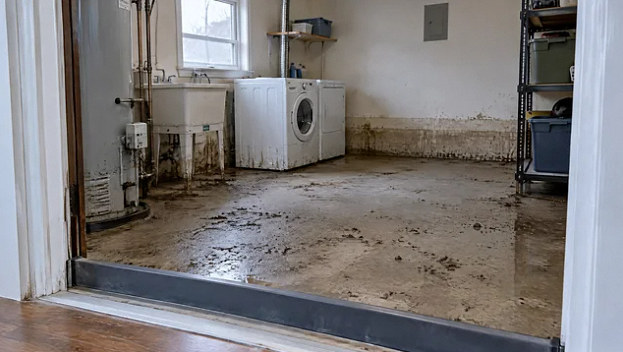
First decisions · 5 min read
Sewage and Floodwater: Questions Before Cleanup Begins
Understand why contaminated water changes cleanup decisions, what to ask about belongings, and how to document damage safely.
Read the guide
Documentation · 3 min read
Before You Sign a Water Damage Work Authorization
Clarify the initial scope, payment responsibility, equipment charges, changes, and handoff before restoration work begins.
Read the guide