
Sewage & Category 3 cleanup · 5 min read
Sewage Reached a Small Carpet Area: How to Define the Removal Boundary
Evaluate contaminated carpet, padding and adjoining materials without confusing a small visible spot with a verified cleanup boundary.
YKCA · References checked 2026-10-03
Start with the essentials
Decisions before approving work
At a glance
Three things to keep in view.
Map the layers
Assess carpet, padding and support rather than the visible spot alone.
Separate quantities
Distinguish contaminated removal from finished-floor replacement.
Review before installing
Document cleaning and drying before new carpet covers the area.
The key point
Assess carpet, padding and support rather than the visible spot alone.
A sewage backup appears to have touched only two patches of carpet. The rest of the room looks dry, and replacing a large continuous carpet feels disproportionate. The important distinction is between removing contaminated material and deciding how much new flooring is needed to restore the room. Those boundaries may differ. A photograph or a quick shampoo cannot establish the contamination extent, and clear-looking backup water is not proof that it is sanitary.
Related service: Sewage & Category 3 cleanup questions and planning
Keep the affected area out of normal use
Keep people and pets away from the affected area and arrange an assessment by someone experienced in sewage-contaminated buildings. EPA recommends professional help when damage involves sewage or contaminated water. Avoid treating a small visible footprint as a reason to let children resume playing there before the condition is evaluated.
Give the assessor the source history, when the event occurred and what cleanup has already been attempted. Include carpet shampooing, household products or movement of wet objects. That information is relevant even if the area now looks better. Do not repeat home cleaning simply to improve its appearance before the inspection; preserve the current condition and any earlier photographs.
Sources for this section
CDC: Reentering Your Flooded HomeEPA: Mold Cleanup in Your Home
Map the event and the layers involved
Ask the professional to document the visible spill, the observed wet area and the limits of inspection. Carpet face, backing, padding and the supporting surface are separate layers. A surface mark may not establish what happened underneath. The scope should describe how the assessor determined the affected boundary and where uncertainty remains.
Record adjoining baseboards, cabinet edges, furniture feet and thresholds that may have contacted the water. These are inspection questions, not instructions to tear everything apart yourself. A material map helps explain why removal might extend beyond the stain or stop before the far side of the room. The explanation should be tied to findings rather than convenience alone.
Sources for this section
CDC: Reentering Your Flooded HomeEPA: Mold Cleanup in Your Home
Separate removal from matching replacement
Ask for two quantities: the material that must be removed because it was affected and the material proposed for replacement to create a practical finished floor. A continuous carpet installation may introduce seam, availability or appearance considerations beyond the contamination footprint. Those are real project decisions, but they should not be described as evidence that the entire room was contaminated.
Request the proposed removal line on a sketch and ask a flooring professional about restoration options after cleanup. Keep matching questions separate from any insurance determination. A cleaner can document material condition; a flooring installer can explain installation constraints; the insurer decides coverage under the policy. Combining all three into one unexplained square-foot total makes review harder.
Sources for this section
CDC: Reentering Your Flooded HomeEPA: Mold Cleanup in Your Home
Treat salvage claims cautiously
CDC's flooded-home guidance recommends discarding items that cannot be effectively cleaned and disinfected, including carpeting and padding among the examples. Do not accept a general promise that a consumer shampooer proves sewage-affected carpet is safe. Ask the restoration professional to explain the material decision and the basis for any proposed retention.
The aim is not to remove more than the evidence supports. It is to avoid retaining contaminated porous material because it looks normal after cleaning. If two professionals disagree, obtain a focused independent assessment of the boundary and proposed retained material. A second opinion is most useful when it answers that question rather than simply producing another whole-room price.
Sources for this section
CDC: Reentering Your Flooded HomeEPA: Mold Cleanup in Your Home
Inspect the support surface after removal
Ask what happens once carpet and padding are lifted. The supporting floor, edges and any affected adjoining assembly should be assessed before new flooring is ordered. Record findings that were hidden during the initial visit. If more damage is discovered, request photographs and a revised scope rather than a vague instruction to “keep going.”
Different support materials can require different cleaning, drying or repair decisions. The responsible professional should describe the actual assembly and limitations. A dry reading alone does not establish that contaminated material is clean. Keep the cleanup assessment and the drying assessment distinct in the handoff, even when the same company performs both tasks.
Sources for this section
CDC: Reentering Your Flooded HomeEPA: Mold Cleanup in Your Home
Put household access and finish timing in writing
Ask when the affected room can be used, which routes remain restricted and who will authorize the change. A removed carpet does not mean the remaining cleanup is complete. Likewise, delivery of new carpet should not force the team to skip a needed inspection. Set the sequence before the installer books the final visit.
Move unaffected belongings only as directed so that the cleanup crew can preserve a separation between reviewed and unreviewed areas. Record any contents that need their own evaluation. If your household has health concerns, discuss them with a healthcare professional. The restoration schedule cannot determine individual medical suitability to occupy the room.
Sources for this section
CDC: Reentering Your Flooded HomeEPA: Mold Cleanup in Your Home
Retain a boundary and completion record
Keep the original event photos, the assessor's map, removed-material quantities, cleaning record and completion assessment. Add the flooring replacement explanation if its area differs from the removal area. These records make the decision understandable after the old carpet has gone and the evidence is no longer visible.
If the final proposal expands, ask which new finding caused that expansion. If it contracts, ask how the retained area was evaluated. Neither a small initial stain nor an expensive replacement total proves the correct answer. A defensible scope connects the source, material layers, observed extent and completed work, while stating any limits that could not be resolved remotely or during the first inspection.
Sources for this section
CDC: Reentering Your Flooded HomeEPA: Mold Cleanup in Your Home
Common questions
Do two small sewage spots mean all my carpet must be replaced?
The contamination boundary needs professional assessment of carpet, padding and adjoining materials. The flooring replacement area may be larger for installation or matching reasons; request separate quantities and explanations for removal and replacement.
Sources for this section
CDC: Reentering Your Flooded HomeEPA: Mold Cleanup in Your Home
Is shampooing sewage-affected carpet enough?
Do not treat shampooing or a clean appearance as proof of safe restoration. Obtain an assessment by a professional experienced in sewage damage and a documented decision about the affected porous materials.
Sources for this section
CDC: Reentering Your Flooded HomeEPA: Mold Cleanup in Your Home
Sources and further reading
References checked 2026-10-03. Guidance depends on the loss, affected materials, scope of work and property conditions.
The homeowner question behind this guide
These public discussions informed the questions addressed here. Personal experiences and comments are not technical findings or proof of insurance coverage.
Discuss the next step for your property.
Share what happened, which areas are affected and the decisions you need help with.
Discuss sewage & category 3 cleanupRelated decisions
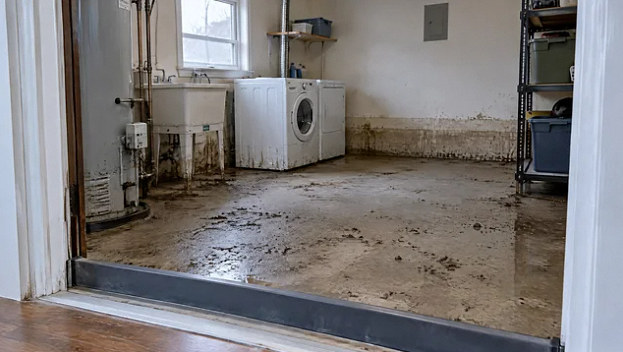
First decisions · 5 min read
Sewage and Floodwater: Questions Before Cleanup Begins
Understand why contaminated water changes cleanup decisions, what to ask about belongings, and how to document damage safely.
Read the guide
Documentation · 3 min read
Before You Sign a Water Damage Work Authorization
Clarify the initial scope, payment responsibility, equipment charges, changes, and handoff before restoration work begins.
Read the guide