
Odor removal & duct cleaning · 5 min read
Construction Dust After a Remodel: When to Inspect the HVAC System
Separate ordinary room dust from documented duct contamination and plan inspection, cleaning and future protection after remodeling.
YKCA · References checked 2026-10-03
Start with the essentials
Decisions before approving work
At a glance
Three things to keep in view.
Review the work
Record demolition, sanding, equipment operation and protection.
Inspect components
Find the actual debris and any filter or equipment problem.
Coordinate cleanup
Finish dusty work and verify the identified system cleaning.
The key point
Record demolition, sanding, equipment operation and protection.
The remodel is finished, but dust returns to the shelves every morning. It is tempting to book duct cleaning immediately or dismiss the problem as normal settling. A useful assessment starts with the work history, where debris is appearing and what the heating and cooling system actually contains. Neither a dirty grille nor a clean room photograph settles that question. This guide is for organizing inspection and follow-up, not identifying hazardous dust from its color.
Related service: Odor removal & duct cleaning questions and planning
Reconstruct how the system was used during work
Ask the remodeling contractor when cutting, sanding and demolition occurred, whether equipment operated and how openings were protected. Record what is known without filling gaps with assumptions. Identify any periods when returns or equipment were exposed to the work area. Keep available construction photos with this timeline.
The history helps an HVAC professional decide where to inspect, but it is not automatic proof of system contamination. Likewise, a contractor's statement that registers were covered does not show every return or equipment opening was protected throughout the project. Use the record to guide a targeted inspection rather than to assign blame before the facts are established.
Describe where dust is returning
Note whether material appears near one supply, throughout the home or on surfaces next to unfinished work. Photograph deposits before cleaning them away, where safe. Distinguish room dust from material visibly released during system operation. Do not intentionally create a cloud or run equipment repeatedly to make the problem easier to photograph.
Tell the evaluator what building materials were disturbed. If the work involved materials with a possible lead or asbestos concern, obtain the appropriate assessment instead of handling the dust as ordinary debris. A routine duct-cleaning proposal is not a hazardous-material investigation. Unknown dust needs its uncertainty preserved until the relevant professional resolves it.
Inspect the equipment as well as the openings
Request a qualified inspection of the relevant air-handling components, filter arrangement and accessible ductwork. Ask for labeled photographs and a description of any access limitations. A photo down one short supply run cannot establish the condition of the entire system. The result should distinguish confirmed debris from areas that have not yet been evaluated.
Have the technician identify any filter problem by the installed equipment requirements. Do not choose a higher-resistance filter solely because its packaging promises better capture. The suitable option needs compatibility with the actual system. Record the selected replacement and any installation correction so future maintenance does not recreate the same issue.
Connect cleaning to the documented finding
Ask which components need cleaning and why. EPA lists excessive debris or particles released from supplies among reasons to consider duct cleaning. Ordinary adhered household dust is a different finding. The proposal should explain how the observed condition relates to the complaint and what cleaning can reasonably accomplish.
If the source remains unfinished construction elsewhere, address that source as well. Cleaning the system while dusty work continues may leave the sequence poorly coordinated. Ask the contractor and HVAC provider to agree on the appropriate order and any necessary protection. A clear plan can prevent paying for repeated cleaning because the project was declared finished too early.
Require material-compatible methods and protection
Ask how the provider will handle the duct materials present and collect debris without spreading it through occupied rooms. Request the components included, access points and restoration of those openings. The method should fit the assembly. A generic rotating-brush service is not a complete explanation for every flexible or internally lined duct.
List the room contents and surfaces that require protection during work. Decide who will do the final room cleaning afterward and whether that service is included. These details are practical rather than cosmetic: they let you distinguish debris from the cleaning operation from dust that continues to appear afterward, and they make the final condition easier to review.
Check completion against the original record
Ask for comparable before-and-after images of the identified locations and a list of completed components. Confirm whether equipment defects or access limitations remain. A bag of removed debris may be visually persuasive, but it does not replace a component-specific completion record. Keep the evidence with the original inspection. For each photographed component, record its location, inspection date, cleaning method, remaining limitation and the person responsible for follow-up so a later technician can compare the same part of the system.
After the system is appropriately returned to operation, observe the original complaint under normal use. Record whether material still appears and where. If dust persists, investigate remaining building sources and maintenance conditions instead of assuming the cleaning failed or automatically ordering it again. The next action should respond to a new finding or an unresolved item in the first scope.
Improve protection for the next phase
If more remodeling is planned, agree on HVAC protection before it begins. EPA's duct guidance recommends protecting the system during construction work. Ask the HVAC professional and remodeling contractor to coordinate how equipment will be operated, what openings need protection and when those protections can be removed safely.
Name who checks the arrangement each day and who replaces or evaluates filters afterward. Put these responsibilities in the project plan rather than relying on informal promises from separate trades. The lesson from a dusty remodel is a documented process that can be repeated, not a standing order for duct cleaning after every small repair regardless of the conditions.
Common questions
Should ducts always be cleaned after remodeling?
No blanket rule fits every job. Review the work history and inspect for significant debris or material released into rooms. Cleaning should address documented conditions and be coordinated with completion of dusty work.
Will a stronger filter fix construction dust in the ducts?
A filter is not a substitute for evaluating existing contamination or ongoing sources. Have a qualified technician select a compatible filter and inspect the system before relying on a filtration upgrade.
Sources and further reading
References checked 2026-10-03. Guidance depends on the loss, affected materials, scope of work and property conditions.
The homeowner question behind this guide
These public discussions informed the questions addressed here. Personal experiences and comments are not technical findings or proof of insurance coverage.
Discuss the next step for your property.
Share what happened, which areas are affected and the decisions you need help with.
Discuss odor removal & duct cleaningRelated decisions
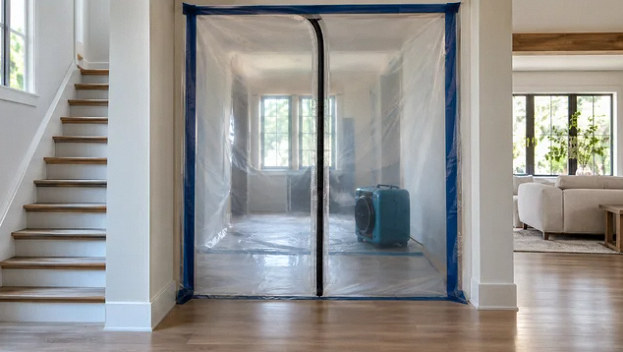
First decisions · 3 min read
Containment and Air Filtration During Restoration
Understand drying barriers, containment, HEPA filtration, and the household arrangements that keep work areas controlled.
Read the guide
Documentation · 3 min read
Choosing a Water Restoration Contractor: What to Verify
Compare qualifications, inspection methods, documentation, and repair responsibility before choosing restoration help.
Read the guide