
Odor removal & duct cleaning · 5 min read
Wet or Dirty Insulated Ducts: Clean, Repair or Replace?
Identify duct materials and documented damage before deciding whether cleaning is appropriate or replacement needs a defined boundary.
YKCA · References checked 2026-10-03
Start with the essentials
Decisions before approving work
At a glance
Three things to keep in view.
Identify material
Map duct types and the component actually affected.
Define extent
Use observed wetting, contamination and damage to set boundaries.
Review the system
Coordinate source repair, retained components and restart checks.
The key point
Map duct types and the component actually affected.
One company says your ducts can be cleaned. Another warns that the liner is fragile and proposes replacement. Before choosing, establish what the ducts are made of, what is actually wrong and where the condition extends. Bare sheet metal, internally lined ducts and flexible assemblies are not interchangeable surfaces. This article helps you review an assessment; it cannot identify a duct material or verify hidden wet insulation from a photograph.
Related service: Odor removal & duct cleaning questions and planning
Ask for a material map before a method
Have the technician identify the relevant duct types and show where they are installed. A single home can contain more than one material. Request photographs of representative sections and a sketch connecting them to the equipment and served rooms. Note inaccessible runs and assumptions separately from inspected areas.
Ask whether the concern involves the interior air-contact surface, insulation, outer jacket or a connection. The word “dirty” can conceal very different conditions. An exterior moisture stain is not a complete description of the interior, and visible interior dust does not establish that insulation is wet. The cleaning or replacement proposal should use the specific material and condition identified.
Sources for this section
EPA: Should You Have the Air Ducts in Your Home Cleaned?EPA: Mold Cleanup in Your Home
Establish whether water reached insulation
Ask what evidence supports a wet-insulation finding and how its extent was assessed. EPA states that wet or moldy duct insulation cannot be effectively cleaned and should be replaced. That principle is important, but the actual boundaries still need site evidence. Do not turn one confirmed section into an unexplained whole-house replacement assumption.
Keep the source of wetting in the record. A leak above a duct, water inside an assembly and condensation concerns may require different investigations. Ask who is correcting that source and how completion will be confirmed. Replacement without an explanation of the wetting event leaves an important part of the repair unfinished.
Sources for this section
EPA: Should You Have the Air Ducts in Your Home Cleaned?EPA: Mold Cleanup in Your Home
Distinguish contamination from physical deterioration
Request separate findings for deposits, suspected microbial growth, torn liners, crushed runs, disconnected sections and other observed defects. A cleaning process cannot fix every mechanical problem, and a repair recommendation should not be justified only by an unverified health claim. The technician should explain what each proposed action accomplishes.
If the material appears fragile, ask whether the proposed cleaning method is compatible with it and the manufacturer's instructions. Request an alternative if the method could damage the assembly. Do not authorize a vigorous brush trial simply to see what happens. An independent HVAC opinion can be useful when the first two companies disagree about whether a particular liner can tolerate cleaning.
Sources for this section
EPA: Should You Have the Air Ducts in Your Home Cleaned?EPA: Mold Cleanup in Your Home
Define the replacement boundary
For proposed replacement, ask which run or component is included, where it begins and ends, and what evidence sets that boundary. Include access work and repair of disturbed finishes. If adjacent material will remain, ask how its condition was assessed and how the new connection will be made. The homeowner should be able to recognize the completed scope on a drawing.
Ask whether redesign, sizing or routing changes are included or merely like-for-like replacement. Those decisions belong with an appropriately qualified HVAC professional. A restoration cleaning estimate should not silently substitute for a system design. Have the responsible trade identify applicable installation and inspection requirements for the actual work.
Sources for this section
EPA: Should You Have the Air Ducts in Your Home Cleaned?EPA: Mold Cleanup in Your Home
Review retained components as part of the system
Replacing an affected branch does not answer the condition of the air handler, returns or other connected parts. Ask the evaluator which components need inspection because of the event and what was found. This does not mean every connected component must be replaced; it means the assessment should explain the relationship rather than leave it assumed.
If some components are to be cleaned, list their materials and the method separately from replacement. Record access limitations and any follow-up needed. A mixed scope can be appropriate, but it needs a clear boundary between cleaning, repair and replacement so each part can be checked and priced without confusion.
Sources for this section
EPA: Should You Have the Air Ducts in Your Home Cleaned?EPA: Mold Cleanup in Your Home
Keep operating and occupancy decisions explicit
Ask whether the system can operate during investigation and what must happen before it returns to service. EPA advises against running a system known or suspected to be mold contaminated. The actual restriction and temporary household arrangements should be explained by the people assessing the site, with medical advice where personal health concerns are involved.
Write down who will authorize restart and what inspection that requires. Do not infer readiness because the replacement duct is physically installed or because the thermostat works. Any remaining cleaning, equipment repair or connection work should be identified. A clear restart decision prevents unfinished tasks from disappearing between the restoration crew and HVAC contractor.
Sources for this section
EPA: Should You Have the Air Ducts in Your Home Cleaned?EPA: Mold Cleanup in Your Home
Inspect the completed assembly and retain records
Ask for photographs before access is closed, a list of replaced components and the appropriate operational or installation checks. Compare the finished scope with the original material map. Record any route changes and retain product information. If access work disturbed walls or ceilings, include finish restoration in the final punch list.
Continue to observe the condition associated with the original water problem as advised by the contractor. If moisture returns, report the timing and location with the repair record. Ask who should receive a callback if the same section becomes wet again, and record any monitoring recommendation while the crew can still explain the installation. A replacement invoice proves a purchase, not that every underlying condition was corrected. The strongest closeout combines the material decision, source correction and completed-system review in one understandable file.
Sources for this section
EPA: Should You Have the Air Ducts in Your Home Cleaned?EPA: Mold Cleanup in Your Home
Common questions
Can wet insulated ducts simply be cleaned?
EPA advises replacing wet or moldy duct insulation because it cannot be effectively cleaned. First establish which material is affected and where. Bare metal, liners and insulation require distinct assessment and scope decisions.
Sources for this section
EPA: Should You Have the Air Ducts in Your Home Cleaned?EPA: Mold Cleanup in Your Home
Does one damaged flex duct require replacing all ducts?
Not automatically. Ask for mapped findings and reasons defining the replacement boundary, plus assessment of relevant connected components. Broader replacement needs a documented basis.
Sources for this section
EPA: Should You Have the Air Ducts in Your Home Cleaned?EPA: Mold Cleanup in Your Home
Sources and further reading
References checked 2026-10-03. Guidance depends on the loss, affected materials, scope of work and property conditions.
The homeowner question behind this guide
These public discussions informed the questions addressed here. Personal experiences and comments are not technical findings or proof of insurance coverage.
Discuss the next step for your property.
Share what happened, which areas are affected and the decisions you need help with.
Discuss odor removal & duct cleaningRelated decisions
First decisions · 3 min read
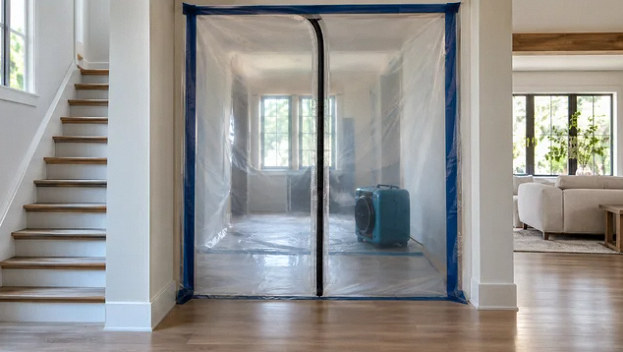
Containment and Air Filtration During Restoration
Understand drying barriers, containment, HEPA filtration, and the household arrangements that keep work areas controlled.
Read the guide
Documentation · 3 min read
Choosing a Water Restoration Contractor: What to Verify
Compare qualifications, inspection methods, documentation, and repair responsibility before choosing restoration help.
Read the guide