
Materials and repairs · 5 min read
Wet Carpet and Padding: What Can Be Saved?
How to discuss carpet salvage after water damage, including the water source, padding, supporting floor, and repair expectations.
YKCA · References checked 2026-09-27
Start with the essentials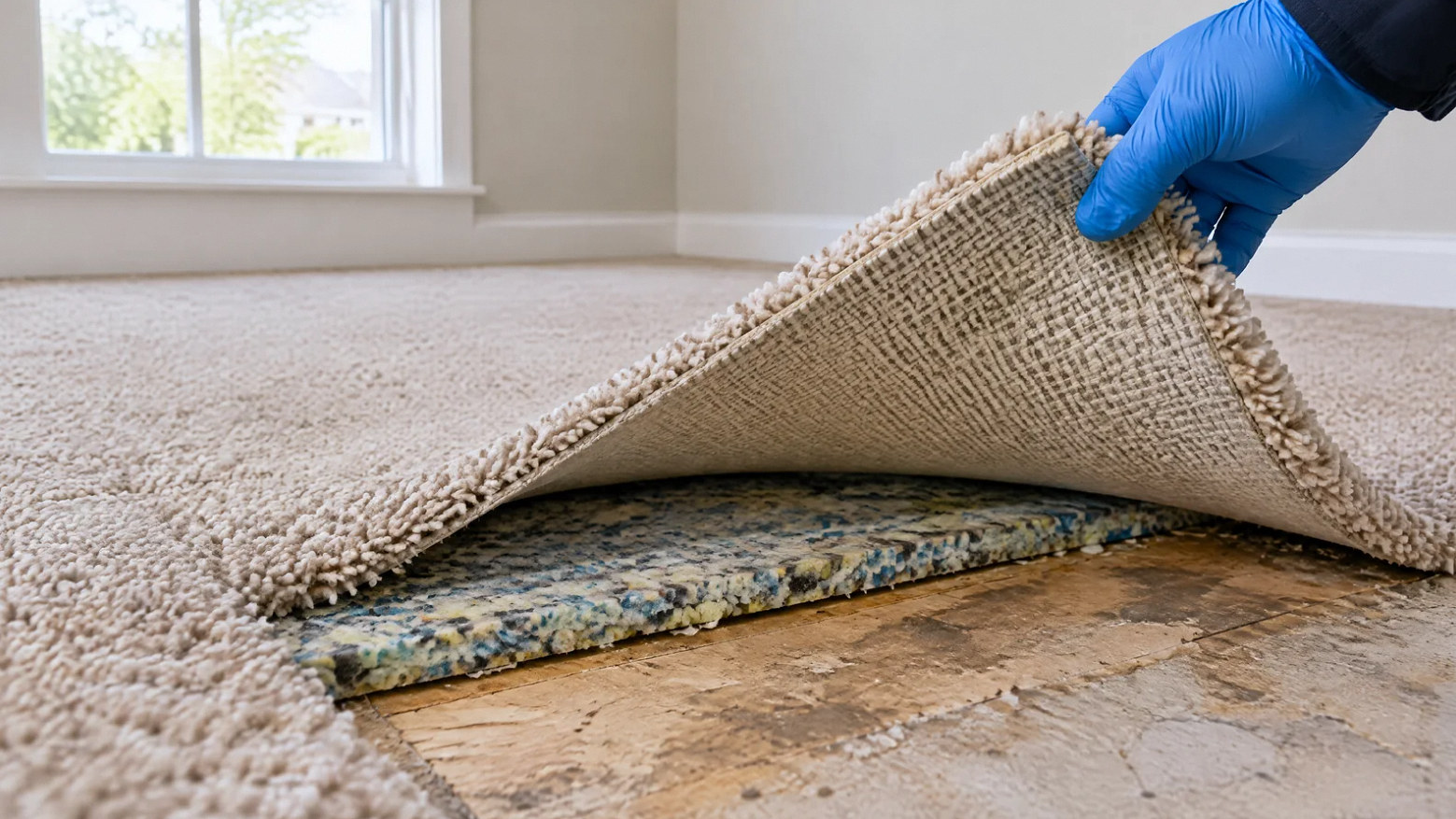
At a glance
Three things to keep in view.
Establish the source
Describe where the water came from and mark uncertainty. Clear appearance alone cannot justify treating affected carpet as a clean water situation.
Review every layer
Record separate retain or remove decisions for carpet and padding, plus how the supporting floor will be assessed and addressed.
Include the finished result
Check whether the price includes cleaning, replacement padding when needed, reinstallation, and transitions. Extraction alone does not describe the completed carpet work.
The key point
Ask for separate decisions about the carpet, its padding, and the supporting floor. The water source and the condition of each part matter. A dry carpet surface or a cleaner smell does not explain the entire assembly. Get the assessment, proposed cleaning or removal, and reinstallation responsibilities in writing.
After a leak, carpet can become the focus because it is the part you can see and walk on. A useful proposal should also address what is underneath and what work follows extraction or drying. “Save the carpet” is not a complete scope by itself.
Start by describing the source and what happened before cleanup began. Keep important distinctions explicit, including whether the source is confirmed, whether contaminated water may be involved, and which rooms were affected.
Establish the water source before discussing salvage
EPA's clean-water response table is limited to sanitary water. Sewage and contaminated floodwater require a different assessment; a clean-water example should not be used to justify saving a contaminated carpet.
Ask the professional how the source and the water's path affect the proposed work. If the source remains uncertain, say so rather than describing it as clean because it looked clear. For sewage or other contaminated-water damage, EPA recommends experienced professional help. Keep the area out of routine household use while the response is being arranged.
Sources for this section
Table 1: Water Damage – Cleanup and Mold PreventionMold Cleanup in Your Home
Carpet, padding, and supporting floor need separate decisions
The pile you touch is only the exposed part of the assembly. Moisture can remain in the backing, padding, or supporting floor after the surface feels different. Extraction removes accessible liquid water; it does not establish that every part is dry or suitable to retain.
Each layer also has its own condition. A proposal might retain the carpet while replacing padding, but that is a decision to explain, not an automatic rule. The carpet's construction, contamination, damage, and ability to be appropriately cleaned and dried affect the outcome.
EPA's guidance includes the supporting floor in the cleanup and drying decision. The scope should identify what is retained or removed, how that floor is evaluated, and what will happen if an area cannot yet be checked.
Sources for this section
Saving carpet includes more than drying it
Ask for a written description of the proposed outcome. Does the price include appropriate cleaning, drying, any replacement padding, reinstallation, and finish work at transitions? Ask who will assess existing seams, attachment, appearance, and other product-specific concerns before promising a result.
For a valuable rug or unusual textile, identify it before work begins and ask whether a specialist assessment is needed. Provide any care or purchase records you have. A conversation about sentimental value and acceptable appearance should happen before irreversible work, while keeping necessary safety measures moving.
Use the plan to resolve budget questions
Imagine a supply leak affected part of a carpeted bedroom. One proposal includes extraction and equipment only; another includes padding, cleaning, and reinstalling the carpet. Their totals do not describe the same job. Ask both contractors to itemize the result they are offering.
If replacement is recommended, ask what limits the salvage option and what evidence supports that conclusion. If retaining material is proposed, ask what conditions must be satisfied and what would change the recommendation. You need a reasoned choice, not reassurance based on how the surface feels.
Clarify the return-to-use and repair handoff
Before the area returns to normal use, request the record of completed work and any remaining limitations. Ask which parts were evaluated, what was retained or removed, and who is responsible for completing transitions, trim, furniture placement, or adjacent repairs.
Keep photographs and an inventory of affected belongings together with the carpet scope. If an insurer is involved, ask how evidence of removed materials should be preserved. Do not keep contaminated material in living space merely to hold onto proof; coordinate a safe documentation method.
Sources for this section
Common questions
Can carpet touched by sewage be handled like a clean-water leak?
No. The source changes the cleanup decision. CDC's disaster guidance identifies contaminated porous items that cannot be adequately cleaned and dried for disposal, and EPA recommends experienced professional help for sewage damage. Do not use a household fan or fragrance as a salvage plan.
Sources for this section
Guidelines for Cleaning Safely After a DisasterMold Cleanup in Your Home
If the carpet feels dry, what should I ask before it is reinstalled?
Ask for the findings for the padding and supporting floor, the cleaning decision, and the proposed reinstallation scope. Also ask whether any area remains unexamined. A surface observation does not replace the documentation for the parts you cannot see.
Sources for this section
Sources and further reading
References checked 2026-09-27. Guidance depends on the loss, affected materials, scope of work and property conditions.
Discuss the next step for your property.
Share what happened, which areas are affected and the decisions you need help with.
Discuss water damage restorationRelated decisions
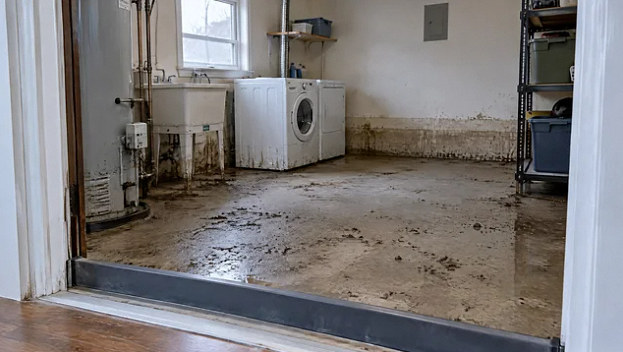
First decisions · 5 min read
Sewage and Floodwater: Questions Before Cleanup Begins
Understand why contaminated water changes cleanup decisions, what to ask about belongings, and how to document damage safely.
Read the guide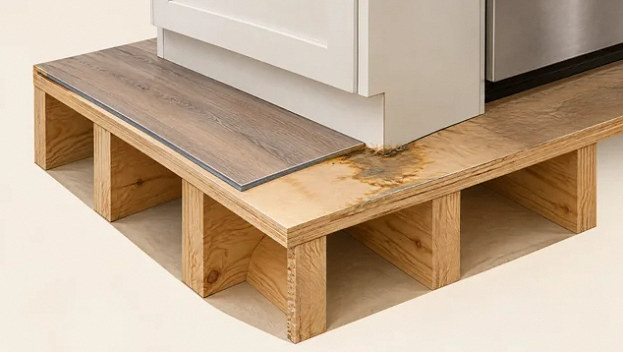
Materials and repairs · 5 min read
Water Under Vinyl, Tile, and Cabinets
A homeowner's guide to questions about concealed floor layers, cabinet areas, access, and the handoff from drying to repairs.
Read the guide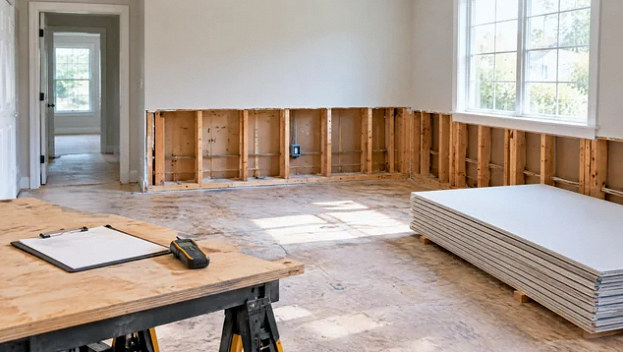
Materials and repairs · 5 min read
Before Rebuilding: How to Review the Drying Handoff
Ask for final material readings, remaining limitations, source-repair records, and a clear handoff before new finishes cover the work.
Read the guide