
Structural drying · 6 min read
Cupped Hardwood After a Leak: When Is It Ready to Sand?
Avoid refinishing a wet floor too soon. Coordinate moisture checks, subfloor assessment and the repair decision before sanding cupped hardwood.
YKCA · References checked 2026-10-03
Start with the essentials
Keep sanding after the moisture decision
At a glance
Three things to keep in view.
Resolve the moisture
Confirm source control and assess the affected floor assembly.
Verify stability
Surface appearance alone does not establish depth moisture balance.
Choose the repair
Evaluate product thickness, remaining damage and finish options.
The key point
Sanding should follow evidence that the floor has stabilized, not a fixed waiting period. Removing raised edges while moisture remains uneven can create a new shape problem as the boards dry.
After a leak, the raised edges of a hardwood floor can become the most visible reminder of the damage. It is tempting to schedule sanding as soon as the room feels dry. But water damage drying and refinishing are separate stages. The floor needs an assessment that connects the moisture condition to the proposed repair, especially when the boards have changed shape.
The critical question is not how many days have passed. It is whether the material is ready for irreversible removal of its surface. A clear handoff between the restoration team and flooring professional helps prevent a cosmetic fix from becoming the next flooring problem.
Related service: Structural drying questions and planning
Understand why sanding too soon can change the result
The National Wood Flooring Association's magazine describes the risk of sanding a cupped floor while moisture remains uneven through the wood. Removing the raised edges can make it look flat at that moment. As the moisture imbalance resolves, the changed board profile can leave crowning instead. The article emphasizes measurements rather than appearance or elapsed time.
This is a reason for a hold point, not a promise that every cupped board will recover if left alone. Some damage remains after drying, and some products have limited refinishing options. Ask the flooring professional to explain the condition of your actual material and what evidence would make sanding appropriate. Do not treat a general online waiting period as that assessment.
Sources for this section
Identify the flooring product and installation
Find the product information, purchase record or an accessible spare piece if one is available. Solid wood, engineered flooring and other wood-look products do not have the same construction or repair options. Ask the flooring professional to identify the relevant wear layer, prior sanding history and installation method. Those facts affect what can be done after drying is resolved.
Record where the floor changed shape and whether there are loose areas, gaps, damaged finish or movement underfoot. Avoid forcing boards down or applying weight as an improvised repair. The assessment should distinguish shape change from attachment or material failure. Photograph the pattern with consistent lighting so later comparisons do not confuse a different viewing angle with genuine improvement.
Include the subfloor and concealed layers
Ask what lies beneath the visible flooring and how the leak affected it. A surface that now feels dry does not establish that the underlying assembly has reached a suitable condition. The restoration record should identify which layers were checked and which could not be accessed. Where the path of water is uncertain, the flooring professional may need additional investigation before proposing a finish repair.
Do not assume an access opening somewhere below proves the whole floor is understood. Ask whether the opening represents the wettest area and whether measurements are comparable across the affected region. The appropriate method depends on the assembly and access. The useful outcome is an explanation of what is known, what remains uncertain and how that uncertainty will be addressed.
Sources for this section
Request an actual flooring handoff
Give the flooring professional the source-repair report, drying log and affected-area map. Ask them to record the instrument settings and assessment method appropriate to the wood and conditions. A general mitigation completion statement is helpful background, but it does not automatically establish that the floor is ready to sand or that every damaged board is suitable to retain.
Agree who makes the readiness decision. The restoration contractor may have completed its drying scope while the flooring specialist still needs to evaluate stability and repairability. That is not necessarily a contradiction. It means the next trade has a different decision to make. Avoid scheduling the refinisher solely because equipment pickup has been placed on the calendar.
Sources for this section
Compare the available repair paths
Once the condition is understood, ask for the practical options and limitations: continued observation where justified, localized replacement, a larger replacement scope or refinishing suitable retained material. Discuss the expected finish match, transitions and the condition of adjacent boards. Request a description of what each option can reasonably improve and what it cannot promise.
Keep optional design changes separate from damage repair. A different stain color or flooring product can be a legitimate owner choice, but it should not obscure why an existing board needs replacement. If an insurer is involved, submit the specific findings and proposed repair method rather than relying only on photographs of a visually uneven floor. Coverage and technical suitability still require separate evaluation.
Protect the decision after work begins
Confirm that the new work does not conceal an unresolved moisture source. If conditions change, such as recurring leakage or a newly discovered wet layer, pause the affected repair decision and have the responsible professional reassess. A previously scheduled sanding date is not evidence that the assembly remains suitable after new information appears.
Keep the final moisture and condition record, product requirements, agreed scope and photographs with the repair invoice. Those records can help if shape changes later or another contractor needs to understand the history. The goal is a floor repair based on its actual condition, with no guarantee of perfect recovery and no avoidable rush to remove wood before the moisture question has been answered.
Common questions
If the floor looks flatter after a week, can I book sanding?
Improved appearance is encouraging but does not establish moisture balance through the boards or the condition of the subfloor. Have the flooring professional evaluate the assembly and record the basis for starting work instead of treating a week as a universal clearance period.
Sources for this section
Will drying always make the boards return to normal?
No. The final result depends on the flooring product, damage and assembly. Drying and reassessment can clarify what remains repairable, but permanent deformation, failed bonding or damaged components may require replacement. Get a product-specific assessment.
Sources for this section
Sources and further reading
References checked 2026-10-03. Guidance depends on the loss, affected materials, scope of work and property conditions.
The homeowner question behind this guide
These public discussions informed the questions addressed here. Personal experiences and comments are not technical findings or proof of insurance coverage.
Discuss the next step for your property.
Share what happened, which areas are affected and the decisions you need help with.
Discuss structural dryingRelated decisions
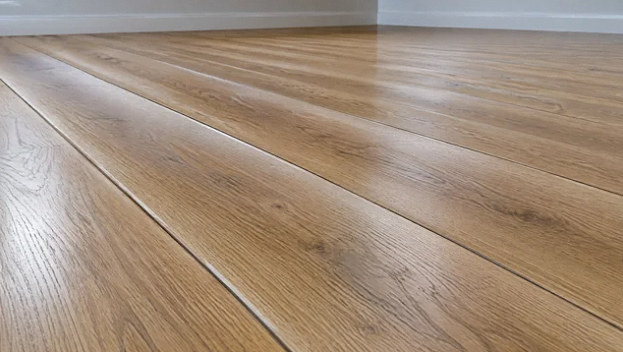
Materials and repairs · 5 min read
Hardwood Floor Cupping After Water Damage
What to ask before sanding or replacing a wet wood floor, including moisture through the boards, the subfloor, and repair options.
Read the guide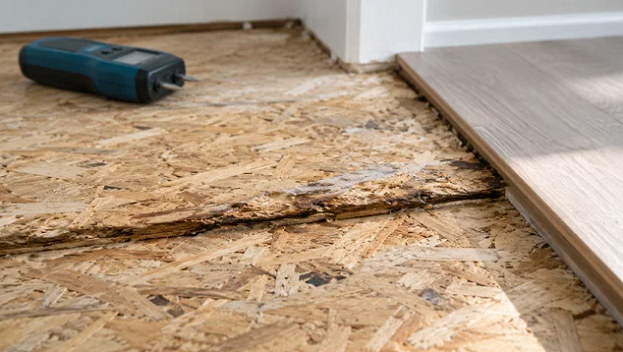
Materials and repairs · 3 min read
Wet Plywood, OSB, and Subfloors: Repair or Replace?
Separate moisture, surface swelling, structural condition, and flooring requirements when reviewing a water-damaged subfloor.
Read the guide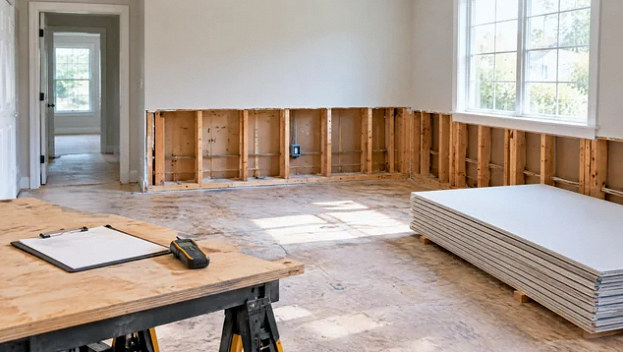
Materials and repairs · 5 min read
Before Rebuilding: How to Review the Drying Handoff
Ask for final material readings, remaining limitations, source-repair records, and a clear handoff before new finishes cover the work.
Read the guide