
Materials and repairs · 3 min read
Wet Insulation and Wall Cavities After a Leak
What a dry wall surface can hide, why insulation type matters, and what to document before closing the wall.
YKCA · References checked 2026-10-03
Start with the essentials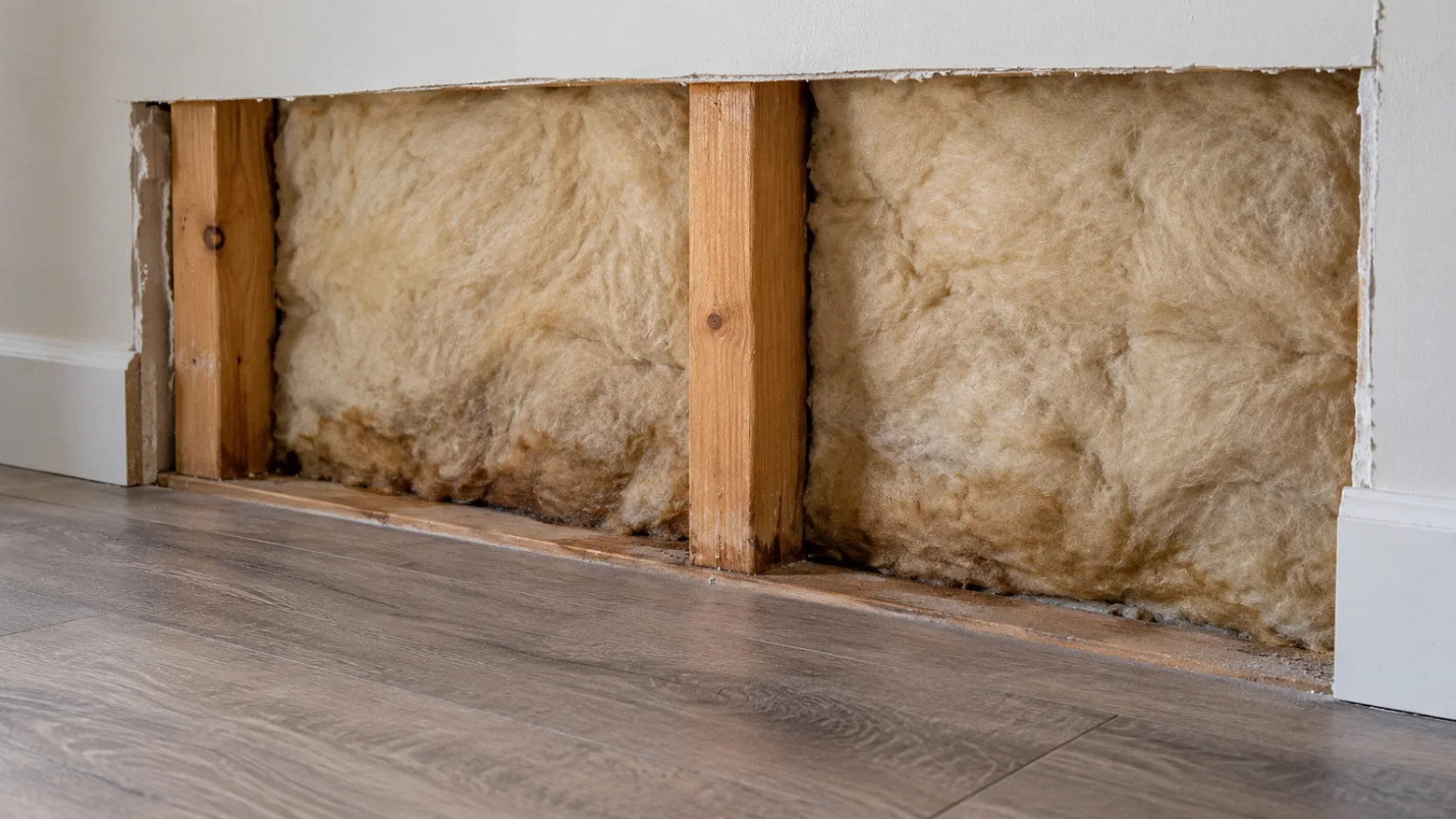
At a glance
Three things to keep in view.
Material
Identify the insulation and affected extent.
Access
Explain how concealed components were evaluated.
Closure
Confirm records before rebuilding the assembly.
The key point
The drywall surface, cavity insulation, and framing need separate decisions. A wall should not be closed simply because its painted face looks dry.
A leak may soak insulation without leaving an equally dramatic mark on the room side of the wall. The material can also restrict inspection of framing and other layers. A complete wall plan identifies what is inside and how each affected component will be handled.
Identify the insulation before deciding to retain it
EPA's clean-water damage table recommends replacement of wet cellulose and fiberglass insulation. That guidance does not support a blanket promise that any insulation can be dried in place. Unknown contamination or mold introduces additional assessment questions.
Ask the contractor to identify the insulation type, where it became wet, and the reason for the proposed action. Classroom examples involving a particular cavity should not be generalized to every insulation product or assembly in a finished home.
Sources for this section
Distinguish the visible surface from the cavity
A moisture reading on accessible drywall does not describe every concealed material automatically. Ask how the insulation, framing, and opposite side of the assembly were evaluated. If access is limited, the report should say so clearly.
A proposed opening should be connected to an inspection, removal, or drying purpose. Record its approximate extent and the work needed afterward. This makes it easier to compare a targeted investigation with a larger removal proposal without assuming either is correct from appearance alone.
Include the whole wall assembly in the repair scope
Walls may contain several layers with different functions. Insulation, air sealing, finishes, and any required separation details need attention when the opening is repaired. Removing wet board is only one part of restoring the assembly.
Ask who will specify the replacement materials and confirm that the repair matches applicable requirements for that location. A wall between different occupancies or a ceiling assembly may need coordination beyond a cosmetic patch. Keep those decisions with the repair scope rather than leaving them to the last visit.
Document the condition before it disappears
Photographs of an open cavity can be valuable once the wall is closed. Label them with the room, wall, and date. Include the areas assessed, materials removed, retained components, and any inaccessible part of the assembly.
If the contractor finds an unrelated older condition, record it separately. Not every defect discovered during a water loss was caused by that loss. Clear documentation helps the owner decide what additional work to authorize without confusing it with the original drying scope.
Establish the closing conditions
Before new insulation or drywall is installed, ask how retained materials have met the agreed drying and cleaning objectives. Confirm that the water source has been addressed and any required inspection or specialized work is complete.
Arrange the handoff so the repair contractor receives those records before the cavity is covered. If one area remains unresolved, identify it explicitly and schedule the decision it needs. A clean-looking room at equipment pickup is not a substitute for an assembly-specific closing plan.
Common questions
Can I judge insulation by touching the drywall?
No. The face of a wall can feel dry while a concealed layer needs attention. Ask how the cavity was assessed and what evidence supports the proposed insulation decision. Avoid cutting into the wall yourself to investigate.
Sources and further reading
References checked 2026-10-03. Guidance depends on the loss, affected materials, scope of work and property conditions.
Discuss the next step for your property.
Share what happened, which areas are affected and the decisions you need help with.
Discuss water damage restorationRelated decisions
Materials and repairs · 5 min read
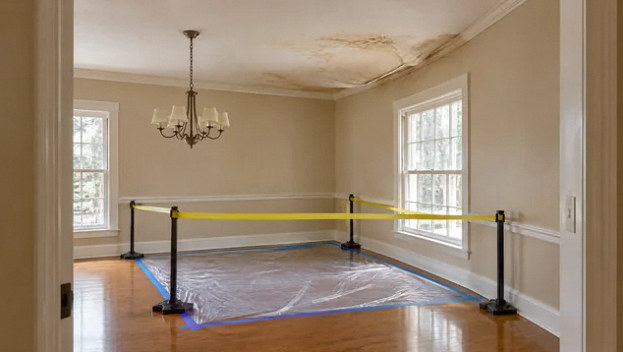
Wet Drywall and Ceilings: Dry, Open, or Replace?
Questions that help explain a drywall decision after a leak, including condition, concealed layers, access, and readiness for repairs.
Read the guide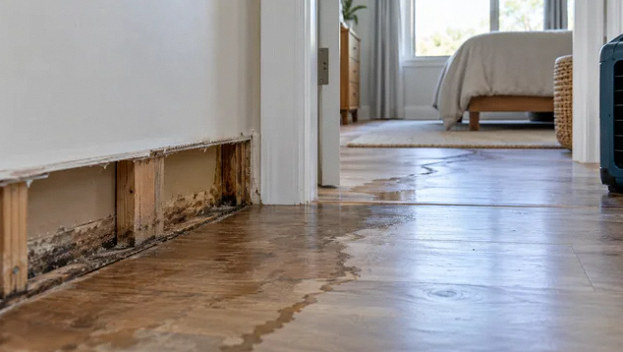
First decisions · 4 min read
How Water Travels Beyond the Visible Leak
Learn why walls, nearby rooms, and belongings can need assessment even when they never sat in a puddle.
Read the guide