
First decisions · 4 min read
How Water Travels Beyond the Visible Leak
Learn why walls, nearby rooms, and belongings can need assessment even when they never sat in a puddle.
YKCA · References checked 2026-10-03
Start with the essentials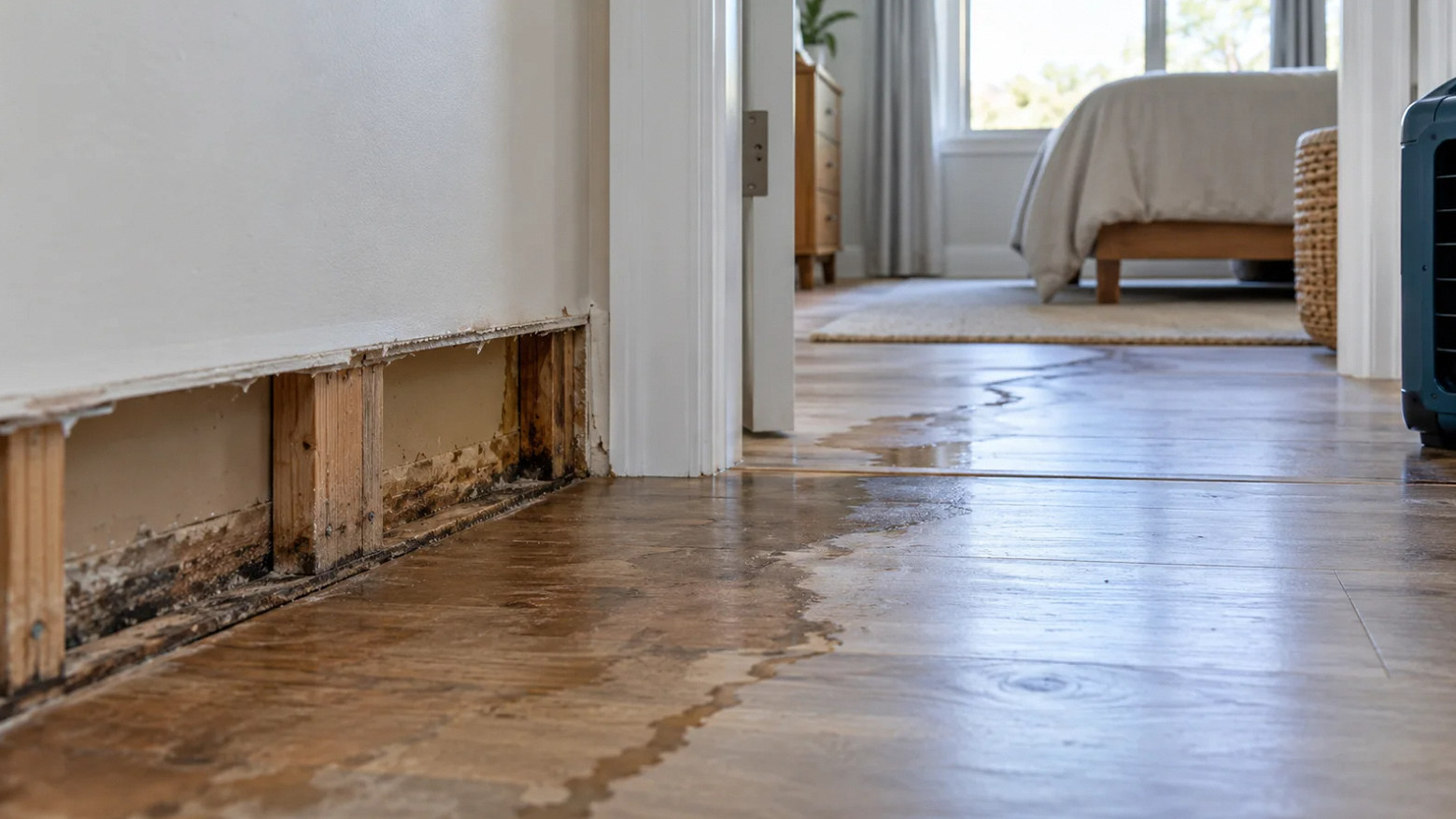
At a glance
Three things to keep in view.
Trace liquid
Follow connected surfaces and concealed routes.
Check vapor
Ask how moisture in surrounding air is controlled.
Mark limits
Keep inaccessible areas visible in the record.
The key point
The visible stain is a starting point for inspection, not a boundary around the damage. Liquid water and water vapor can affect different materials through different routes.
A small wet patch below an upstairs bathroom may be the last visible stop on a longer path. Water can spread across a ceiling, descend beside a pipe, or collect beneath flooring before it appears in the room. Nearby belongings can also be affected by the changed indoor environment.
Distinguish liquid movement from moisture in air
The course separates primary damage from secondary damage. Liquid travels under gravity and can also spread through absorbent materials by capillary action. Water that evaporates becomes part of the indoor moisture load. APA discusses water intrusion and vapor diffusion as concerns for building materials; Vaisala explains the relationship between temperature and humidity.
This distinction helps organize an inspection. A soaked baseboard calls for investigation of a liquid-water path. Swelling in an apparently untouched room raises a different question about ambient moisture, prior conditions, or another source. Neither observation is enough to diagnose the complete cause alone.
Follow connections between spaces
Describe where you first noticed water and where you later noticed it. Include the room above, the opposite side of a shared wall, and built-in furnishings along the route. Ask whether the inspection covered those connections or stopped at the most visible stain.
You should not open a wet ceiling or enter a concealed space to complete the map yourself. Provide photographs from accessible locations and point out what cannot be seen. The inspection record should distinguish a checked area from one that still needs safe access.
Protect the unaffected part of the property
Ask the crew how they will monitor adjacent rooms and protect belongings that can remain in place. A drying plan should account for moisture released into the air as well as the initial puddle. The answer may involve a controlled work area, moisture removal, or relocation of sensitive items.
Do not move potentially contaminated objects into a clean bedroom simply to clear the work zone. Decide where each group of belongings can go and who will handle it. Record the original room so that any later damage or cleaning decision can be traced to the correct location.
Compare new observations with the first record
Photographs taken before work help distinguish developing damage from an older defect. Include an overall view and a closer view of the specific condition. A short caption such as “north bedroom door, lower hinge side” is more useful than a folder of unlabelled close-ups.
If another stain appears, report it promptly with the location and discovery time. Ask whether it represents continuing entry, water already in the assembly, or another issue requiring investigation. Avoid assuming every new mark proves that the original repair failed.
Make the inspection boundary explicit
At the next update, request a simple division: confirmed affected areas, assessed areas without evidence of current wetting, and inaccessible areas. Keep the basis for those decisions with the moisture records. This is especially useful when more than one trade will repair the property.
Before rebuilding, revisit unresolved boundaries. A room should not disappear from the discussion merely because its visible surfaces look better. The final handoff should explain how the connected spaces were evaluated and which remaining concerns belong to a separate investigation.
Common questions
Does high room humidity prove a hidden leak?
No. It is one observation that needs context, including temperature, ventilation, drying activity, and material measurements. A persistent change can justify investigation, but it does not identify the source or location by itself.
Sources and further reading
References checked 2026-10-03. Guidance depends on the loss, affected materials, scope of work and property conditions.
Discuss the next step for your property.
Share what happened, which areas are affected and the decisions you need help with.
Discuss water damage restorationRelated decisions
First decisions · 4 min read
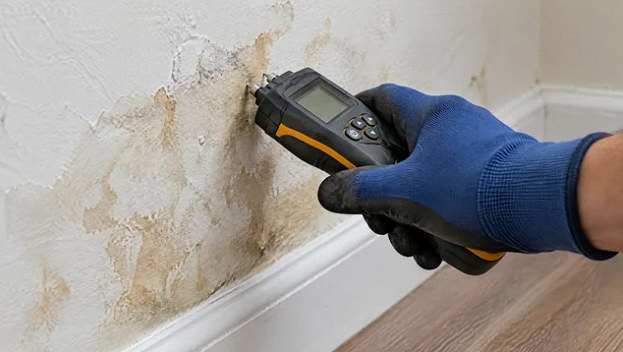
Hidden Moisture: What Meters and Thermal Cameras Can Tell You
Learn how to read a moisture report, distinguish instrument scales, and ask useful questions about concealed walls, floors, and ceilings.
Read the guide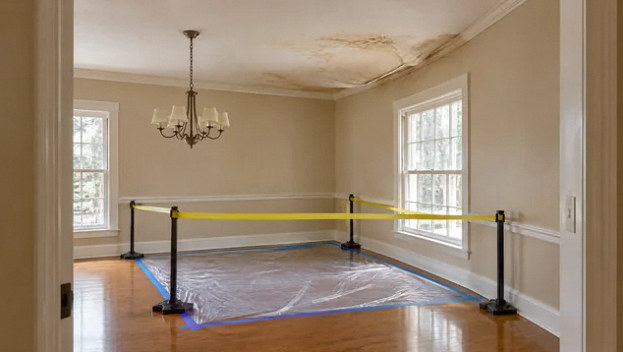
Materials and repairs · 5 min read
Wet Drywall and Ceilings: Dry, Open, or Replace?
Questions that help explain a drywall decision after a leak, including condition, concealed layers, access, and readiness for repairs.
Read the guide