
Water damage restoration · 6 min read
Water From an Upstairs Condo: Coordinate the Damage Assessment
Organize source repair, access, moisture records and claim contacts after an upstairs leak affects your ceiling, walls or shared building areas.
YKCA · References checked 2026-10-03
Start with the essentials
Follow water across the ownership boundary
At a glance
Three things to keep in view.
Confirm source control
Get the repair status from the unit where water began.
Map shared layers
Ceiling, wall and adjoining spaces need separate assessment.
Name the coordinator
One contact keeps access, records and insurer questions aligned.
The key point
Coordinate one damage map across the affected units and shared areas. Do not let uncertainty about payment prevent reporting an active leak, unsafe ceiling or uninspected cavity.
An upstairs leak can leave you dealing with a neighbor, building manager, association, plumber, restoration team and more than one insurer. Meanwhile, water damage restoration decisions still need to be made inside your home. The first useful step is to separate the physical problem from the question of who will ultimately pay.
Create one clear record that each party can use. A timeline, room map and contact list will not settle every coverage or ownership dispute, but they reduce the chance that a wet shared cavity is ignored because everyone assumes another person is handling it.
Related service: Water damage restoration questions and planning
Report the event and keep people away from immediate hazards
Tell management where water is entering, whether it is still flowing and which parts of your unit are affected. Contact the upstairs occupant through the building's established route if possible. Do not wait for a discussion about fault before reporting an active condition. If a ceiling is sagging or water is near electrical equipment, keep people out of the affected area and obtain appropriate emergency help.
Avoid standing beneath a bulging ceiling to photograph it or trying to release trapped water yourself. You may not know where wiring, pipework or weakened material is located. Photographs from a safe position are useful; a better photograph is not worth creating an exposure. Note areas that could not be inspected safely so the responding team understands the gap.
Sources for this section
Confirm what was repaired upstairs
Ask for a brief source report that identifies the component and the repair status. A loose attachment, failed seal, blocked drain and continuing pipe leak are different events. Write down when the leak was discovered and when water stopped; if nobody knows the start time, preserve that uncertainty. Do not turn the time you first noticed a ceiling stain into a claimed start time.
Also ask whether the repair was checked under the conditions that caused the leak. That question belongs to the responsible plumbing professional. You do not need to enter another unit or operate shared valves yourself. Management may need to coordinate access and scheduled water use, especially if testing a drain or fixture could send more water toward the damaged area below.
Make the assessment follow the water route
Use a room-by-room sketch rather than a list of the most obvious stains. Include the ceiling, wall intersections, door frames, flooring transitions and adjacent rooms that the assessor identifies as relevant. In a stacked building, the route can involve concealed services or shared assemblies. Ask which areas have been measured, which are suspected and which remain inaccessible.
Different surfaces should have separate records. If the ceiling improves but a door frame or wall remains elevated, the team should explain that trend and its next step. The answer may involve retained moisture, material differences or another source; it should not be a generic instruction to trust the process. Location-specific evidence is what makes continued drying or an opening reviewable.
Sources for this section
Agree who can authorize access and openings
Before opening a shared assembly, ask management who needs to approve access and what building requirements apply. The person hiring the mitigation company may not have authority over every affected component. Ask how the proposed work will preserve required features of the assembly and who will coordinate inspections or specialist assessment when needed. The answer depends on the actual building and scope.
Document access delays with dates and the areas left unchecked. A contractor cannot verify a cavity it cannot reach, and the final handoff should not imply otherwise. If a neighbor is unavailable, management should explain the next practical step. Keep your request factual: identify the suspected area, the reason access is needed and the person waiting to inspect it.
Keep responsibility discussions evidence-based
Notify the relevant insurers and ask what records each needs. Keep your unit's claim number separate from the association or neighbor's claim. Ask for the policy or governing-document basis when someone says an item belongs to another party. A verbal statement that the upstairs owner caused the problem is not a complete coverage determination or legal analysis.
Use the same factual chronology with each party. Preserve the repair report, damage photographs, mitigation scope and invoices, then note which costs remain under discussion. Avoid accepting a contractor's or neighbor's prediction that your insurer will definitely pay. Where there is a substantial dispute about responsibility, obtain advice suited to the insurance or legal issue rather than asking the drying technician to decide it.
Sources for this section
California Department of Insurance: Residential Property Claims Guide
Close each affected area on its own evidence
Ask for the completion record by assembly and location. It should explain the measurements used, the remaining uncertainties and the repair work that follows. A declaration that the upstairs unit is finished does not certify the lower unit's wall or a shared cavity. Likewise, your room may be ready for one repair while a different area remains under investigation.
Keep the management contact involved until access, temporary protection and repair responsibilities are assigned. Before the crew leaves, obtain a named contact for recurrence: whom to call if a stain spreads, water reappears or a scheduled inspection is missed. Good coordination does not require every claim to be settled first, but it does require each physical task to have a clear owner.
Common questions
Does the upstairs owner automatically pay for everything?
The location of the leak alone does not settle legal responsibility or coverage. Ownership documents, the cause, insurance policies and other facts may matter. Report the event to the appropriate management and insurers and request written explanations instead of relying on a neighbor's promise.
Sources for this section
California Department of Insurance: Residential Property Claims Guide
My ceiling is dry but the wall is still wet. Is that normal?
Different materials and cavities can dry at different rates. Ask for the location-specific trend and whether the wall contains insulation or concealed wet layers. A dry ceiling reading cannot be used as proof that the adjacent wall assembly is ready to close.
Sources for this section
Sources and further reading
References checked 2026-10-03. Guidance depends on the loss, affected materials, scope of work and property conditions.
The homeowner question behind this guide
These public discussions informed the questions addressed here. Personal experiences and comments are not technical findings or proof of insurance coverage.
Discuss the next step for your property.
Share what happened, which areas are affected and the decisions you need help with.
Discuss water damage restorationRelated decisions
First decisions · 4 min read
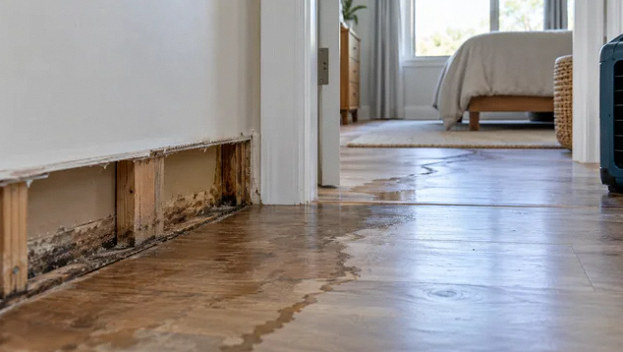
How Water Travels Beyond the Visible Leak
Learn why walls, nearby rooms, and belongings can need assessment even when they never sat in a puddle.
Read the guide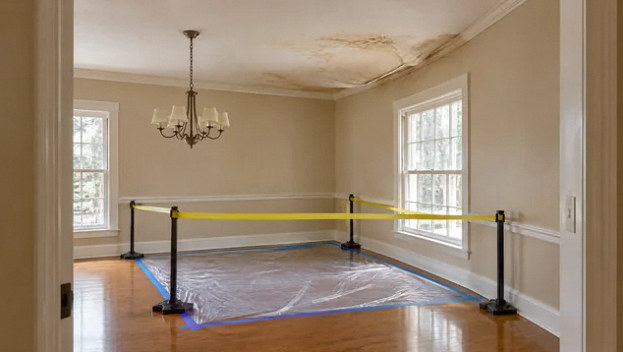
Materials and repairs · 5 min read
Wet Drywall and Ceilings: Dry, Open, or Replace?
Questions that help explain a drywall decision after a leak, including condition, concealed layers, access, and readiness for repairs.
Read the guide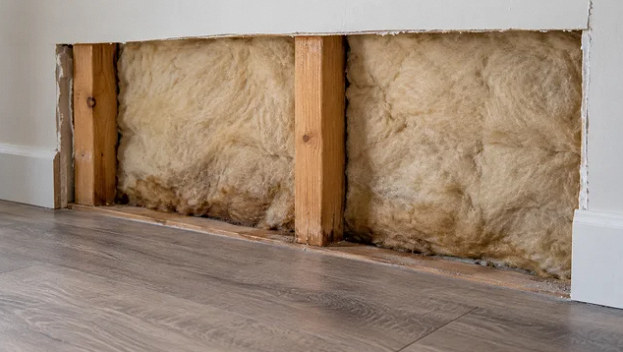
Materials and repairs · 3 min read
Wet Insulation and Wall Cavities After a Leak
What a dry wall surface can hide, why insulation type matters, and what to document before closing the wall.
Read the guide