
Water damage restoration · 6 min read
A Small Water Leak: When Is Professional Restoration Worth an Assessment?
Decide what a small leak actually affected before choosing DIY drying, a free water damage inspection or a larger restoration scope.
YKCA · References checked 2026-10-03
Start with the essentials
Choose by condition, not puddle size
At a glance
Three things to keep in view.
Identify the source
A known clean supply leak and sewage need different precautions.
Identify the layers
Look beyond the visible floor to pads, cavities and the room below.
Choose verifiable work
Ask how success will be measured before deciding on equipment.
The key point
The size of the puddle is a poor way to choose a drying plan. Base the decision on the water source, concealed layers, material condition and whether drying can be checked.
Searching for water damage repair after a small leak often produces two extremes: do everything yourself with a fan, or authorize an extensive restoration package immediately. Neither is a dependable answer without knowing what got wet. The sensible middle is a proportionate assessment with a clear question to resolve and an explained next step.
You do not need to assume the worst. You also should not use the amount of water left on the floor as a measurement of all the water released. Some may already have reached a carpet pad, cabinet base or ceiling below. The useful assessment identifies those possibilities and checks the ones that matter.
Related service: Water damage restoration questions and planning
Establish what the event actually involved
Write a short account of the source, discovery time, approximate duration if known and the path you observed. Include when the source was stopped and any cleanup already done. A photograph taken after towels removed the puddle is useful but incomplete. Note whether water entered a joint, disappeared beneath a finish or appeared in another room.
Keep observation and inference separate. You can report that a supply valve leaked; you may not know whether the wall behind it remained dry. You can say the room smelled normal when you arrived; that does not establish the condition of a closed cavity. This distinction helps a contractor avoid both an unjustified blanket removal and an overly narrow surface-only response.
Screen for conditions that change the level of help
Unsafe electrical access, a sagging ceiling, contaminated water or suspected damage to a critical assembly makes this more than a small housekeeping task. Stay clear of the hazard and seek the appropriate professional assessment. EPA specifically recommends experienced help for damage caused by sewage or other contaminated water. The visible area alone is not a sensible exemption from that advice.
Consider access as well as size. An accessible hard surface is different from a sealed wall or layered floor. If determining the condition requires opening an assembly, disturbing suspect older materials or working near utilities, the assessment needs the right competence. Asking for help with that specific uncertainty does not automatically authorize replacing the entire room.
Sources for this section
CDC: Reentering your flooded home safelyEPA: Mold cleanup in your home
Define the unanswered question before buying equipment
Examples include whether the carpet pad is wet, whether water reached the subfloor beneath vinyl, or whether insulation is holding moisture inside a wall. Ask an assessor how that question can be checked and what the result will change. An equipment recommendation should follow the affected material and drying conditions, rather than precede the inspection as a standard bundle.
Room humidity and material moisture answer different questions. A dehumidifier's tank filling means it removed water from air; it does not identify where all that moisture came from or prove an enclosed layer is dry. Similarly, a dry-feeling surface may be useful information but is not a substitute for checking the layers implicated by the leak route.
Sources for this section
Compare the complete DIY task with a defined professional scope
If the assessment supports a limited homeowner response, understand the actual tasks: safe access, appropriate equipment use, protection of unaffected areas, repeated observation and a clear escalation point. Calculate the effort and monitoring time, not just the rental price. A bargain machine that cannot reach the affected material does not solve the problem you are paying to solve.
For professional work, request a limited written scope and the reason for each action. Ask whether the proposal is for inspection, extraction, drying, removal or reconstruction, and whether those stages can be separately authorized. A small defined first step can be useful when it resolves uncertainty. It is less useful when it is merely an unexplained gateway to a much larger agreement.
Avoid both mold panic and false reassurance
Prompt moisture control matters, but a warning about possible mold is not a complete diagnosis. Ask what the person actually observed and whether the recommended work addresses water, visible growth or a specific concealed concern. Do not accept a guarantee that there can be no mold simply because the leak was noticed quickly or the room now looks clean.
Testing, spraying and repainting should each have a stated purpose. A product application cannot repair the leak, remove all damaged material or document drying. If testing is proposed, ask what decision depends on it and who will interpret the result. This keeps the response tied to the building's condition rather than to a menu of services presented during a stressful moment.
Sources for this section
Decide in advance what would trigger another assessment
Set a review point and know what you will look for: recurring water, changing staining, soft or swollen material, persistent odor, or measurements that fail to improve where monitoring is part of the plan. Ask for the relevant target and method instead of borrowing a universal percentage from a forum. Different materials and instruments cannot always be compared directly.
Keep the source-repair record and the final assessment with your photographs. If a contractor concludes that no extensive restoration is needed, ask what was checked and what remains unverified. If more work is needed, ask for the new evidence. A proportionate response is one that can explain why the chosen level of work fits this particular leak and how its completion was determined.
Common questions
Can an inexpensive room dehumidifier prove the problem is solved?
No. It may reduce moisture in room air, but it cannot establish the condition of a closed cavity or covered subfloor. The useful question is whether the affected layers were identified and whether retained materials reached an appropriate drying target.
Sources for this section
Does every leak need mold testing?
No. Testing is not a substitute for identifying moisture and inspecting the affected materials. EPA notes that visible mold generally does not need sampling; a specific unresolved question may justify a qualified specialist's testing plan.
Sources for this section
Sources and further reading
References checked 2026-10-03. Guidance depends on the loss, affected materials, scope of work and property conditions.
The homeowner question behind this guide
These public discussions informed the questions addressed here. Personal experiences and comments are not technical findings or proof of insurance coverage.
Discuss the next step for your property.
Share what happened, which areas are affected and the decisions you need help with.
Discuss water damage restorationRelated decisions
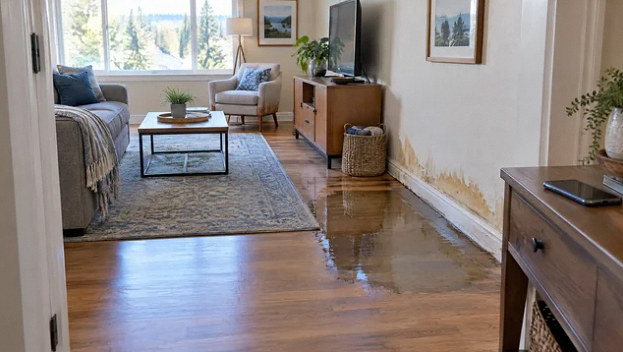
First decisions · 4 min read
Water Damage: What to Do First and Who to Call
A practical starting point after a leak: safe access, stopping the source, choosing help, photos, and questions before drying begins.
Read the guide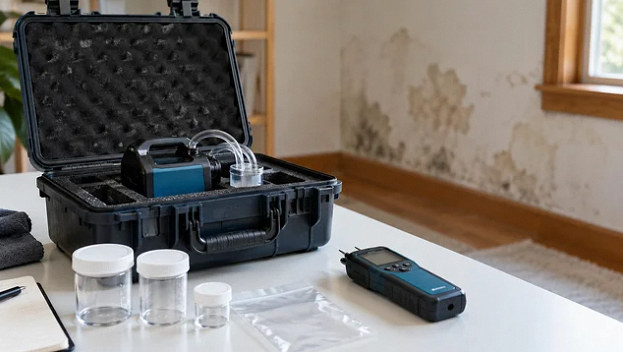
First decisions · 3 min read
Do You Need Mold Testing After Water Damage?
When a mold assessment or testing plan may help, what results cannot prove, and why drying should not wait for a species name.
Read the guide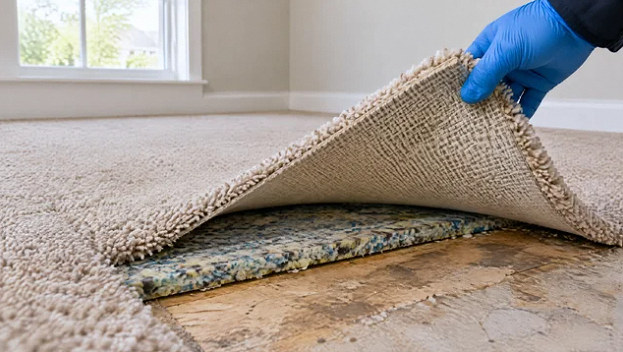
Materials and repairs · 5 min read
Wet Carpet and Padding: What Can Be Saved?
How to discuss carpet salvage after water damage, including the water source, padding, supporting floor, and repair expectations.
Read the guide