
Pack-out & storage · 6 min read
Before a Pack-Out: Create an Inventory You Can Reconcile on Return
Create an inventory that tracks item identity, condition, treatment decisions, and custody from pickup through return.
YKCA · References checked 2026-10-03
Start with the essentials
Three decisions to document
At a glance
Three things to keep in view.
Identify
Assign stable item or box numbers.
Document
Record condition and custody transfers.
Reconcile
Use the same inventory at return.
The key point
Give each item or sensible group a stable identifier, photograph its condition, and keep a copy of the inventory before transport.
A crew is ready to clear the living room so flooring repairs can begin. Boxes are being labelled by room, but the homeowner cannot tell which items will be cleaned, stored, or returned first. A useful inventory records both identity and condition, then follows the belongings through each transfer.
Related service: Pack-out & storage questions and planning
Agree on the inventory method before loading
Ask who prepares the inventory, what level of detail it contains, and when you receive a copy. Room-level totals can help plan a move, but they may not identify a missing lamp or damaged table. Higher-value, fragile, unusual, or damaged items need enough description to be recognized later.
Decide how ordinary grouped items will be listed. A numbered box of kitchen utensils may be practical; a box labelled “miscellaneous” gives little help if its contents are disputed. The level of detail should fit the contents and circumstances. Ask how additions, split boxes, and items sent to a specialist will be recorded without losing their original identity.
Try locating one ordinary object using the proposed inventory before the crew packs the entire house. If you cannot tell which box will contain a desk accessory, ask whether the description needs another level of detail. Then test a more important item, such as a distinctive table or framed artwork. Its record should connect the description, condition images, and destination. This small rehearsal reveals whether the system will work for retrieval without requiring exhaustive descriptions of every household object. Agree on a correction method so the owner can report mistakes after receiving the list without losing the original version or confusing the loading count.
Record the condition before custody changes
Take room-wide photographs to show where items were located, then detailed images of existing damage, labels, and distinguishing features when safe. Link each image to the inventory number. Avoid relying on a video alone when locating one item later would require watching a lengthy recording.
California BHGS recommends documenting belongings before a move. Its inventory guidance explains the value of recording existing condition and noting disagreements. A condition entry should distinguish loss-related damage from pre-existing wear as far as the evidence allows. Do not label an item undamaged if you could not inspect it, and do not guess what is inside an unopened or unsafe container.
Separate identity from the proposed treatment
Use one field for the item and another for its current status: inspect, clean, store, return, or proposed disposal. A treatment recommendation can change after evaluation; the item number should remain stable. Record who made the recommendation and whether the owner has authorized the next step.
For the illustrative living room, a chair might be inventoried at pickup, assessed at the facility, and later returned after cleaning. Those are separate events. A label saying “restorable” does not establish that cleaning succeeded, and an inventory signature should not silently become permission to discard. Ask what each form and status actually means.
Keep essential and private items under deliberate control
Before safe packing begins, identify medications, documents, keys, necessary devices, and other items you need during displacement. Tell the crew which items should not enter ordinary storage. Where an item may be contaminated or unsafe, ask a qualified professional how it can be evaluated and recovered without transferring contamination into your temporary accommodation.
Keep sensitive paperwork and digital devices from being photographed indiscriminately. An inventory can identify a document box without exposing every page. Record serial numbers privately where useful and share only what is necessary. Protecting privacy and preserving proof are compatible when the record is planned rather than assembled from whatever images a busy crew happens to take.
Track each transfer and subcontracted specialty service
Ask who will transport the goods, where they will go, and which items will leave for textile, electronics, art, or other specialist evaluation. Request a transfer record with inventory numbers, date, sending party, receiving party, and destination. You need a route back to the responsible contact if an item is missing later.
BHGS states that a business paid to move household goods in California must hold the appropriate household-mover license, including restoration companies doing that work. Verify the actual moving entity rather than assuming a general construction license covers the move. This guide does not verify any particular provider's credentials or storage arrangement.
Sources for this section
Reconcile the loading list before the truck leaves
Compare the final load with the inventory and record exceptions. Identify items that remained in the house, items the owner moved separately, and items awaiting evaluation. Keep the current list and any signed movement receipt. If the inventory will be finalized later, obtain an interim record and a definite process for receiving corrections.
Do not sign a statement you know is inaccurate simply because the truck is ready. Ask for the discrepancy to be noted. If urgent conditions prevent a complete review, document that limitation rather than treating the record as a fully verified item count. A later reconstruction of the contents is easier when the gap was acknowledged at the time.
Maintain the inventory through return
Request an updated status list as decisions are made, including cleaning results, approved disposal, storage location changes, and early retrievals. Keep earlier versions. An item removed from the current list should have an explanation rather than disappearing silently from the record.
At return, use the same numbers to compare delivered items and condition with pickup. This article cannot identify contamination, prove value, or settle a missing-property claim remotely. It can help you avoid the preventable problem of two incompatible inventories. The useful endpoint is an account of every item that left, every authorized change, and every remaining exception needing follow-up.
Keep a local copy of the inventory and photographs in addition to any provider portal. Access may change after the job ends, and later retrieval should not depend on an employee remembering your project.
Common questions
Is a room name on each box enough for a restoration inventory?
It helps with placement but may not be enough to identify missing or damaged property. Use stable box or item numbers, meaningful descriptions, condition notes, and linked photographs appropriate to the contents.
Should an inventory signature also authorize disposal?
Understand each form before signing. Keep inventory acknowledgment, treatment recommendations, and disposal authorization distinct so you know exactly what decision you are making.
Sources and further reading
References checked 2026-10-03. Guidance depends on the loss, affected materials, scope of work and property conditions.
The homeowner question behind this guide
These public discussions informed the questions addressed here. Personal experiences and comments are not technical findings or proof of insurance coverage.
Discuss the next step for your property.
Share what happened, which areas are affected and the decisions you need help with.
Discuss pack-out & storageRelated decisions
Materials and repairs · 3 min read
Furniture and Belongings After Water Damage: A Salvage Plan
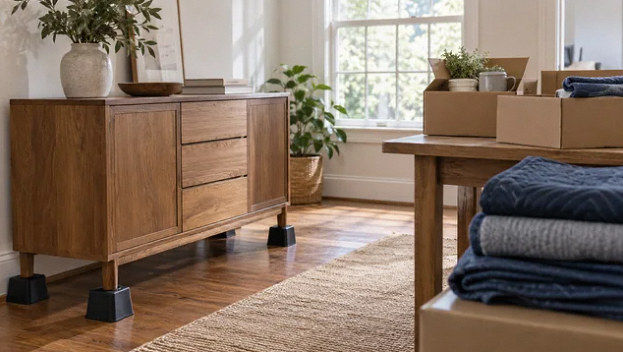
Organize assessment, cleaning, storage, and replacement decisions for furniture and personal belongings after a leak.
Read the guide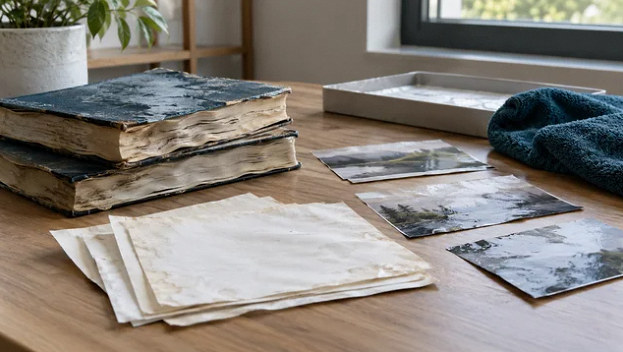
Materials and repairs · 3 min read
Wet Books, Documents, and Photographs: What to Prioritize
Plan fast, careful decisions for damaged records and photographs, including when to involve a paper or photo conservator.
Read the guide