
Materials and repairs · 3 min read
Furniture and Belongings After Water Damage: A Salvage Plan
Organize assessment, cleaning, storage, and replacement decisions for furniture and personal belongings after a leak.
YKCA · References checked 2026-10-03
Start with the essentials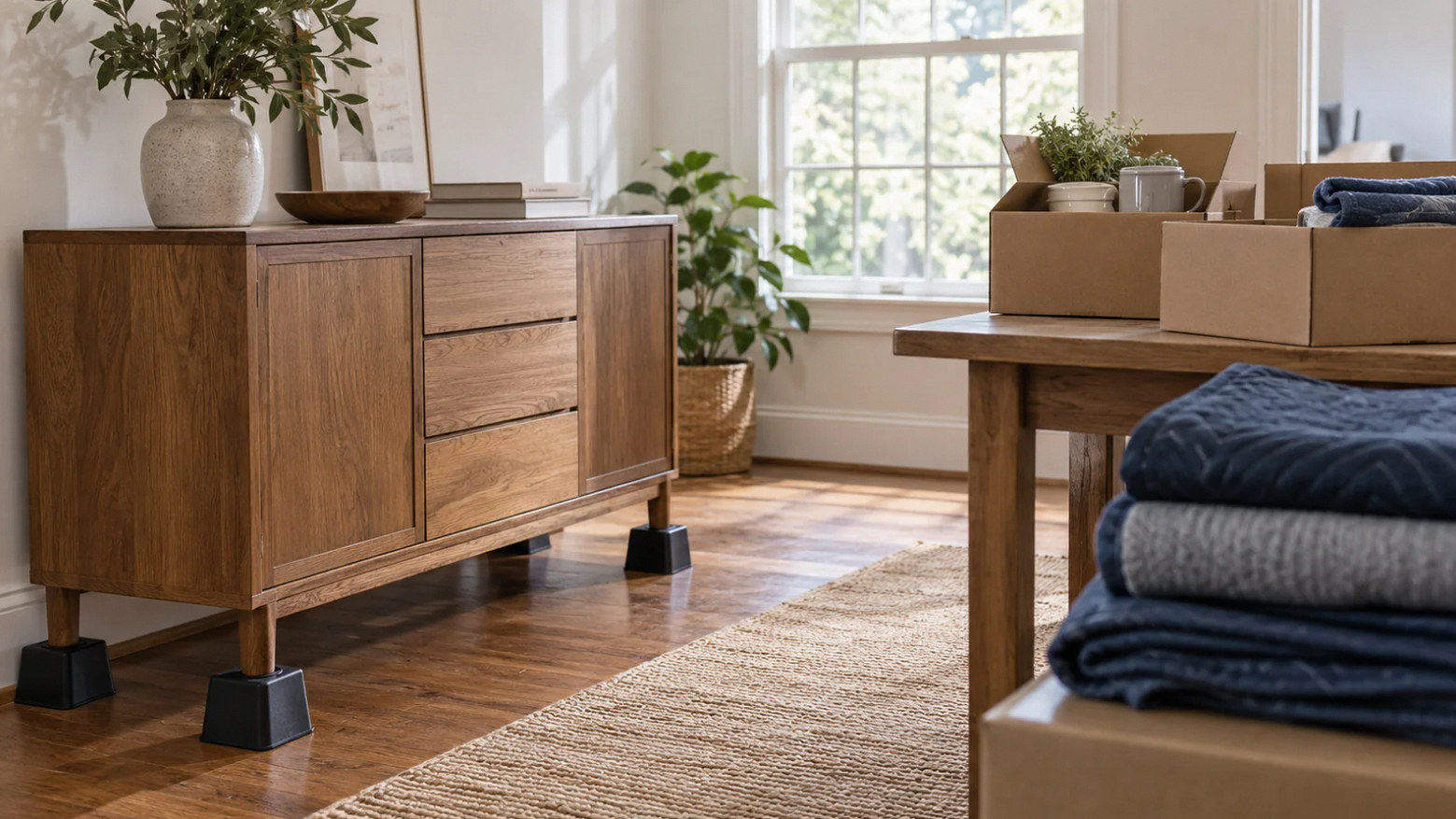
At a glance
Three things to keep in view.
Inventory
Give each item a location, identifier, and status.
Assessment
Separate drying, cleaning, repair, and function.
Return
Reconcile stored, restored, and unresolved belongings.
The key point
Give belongings their own assessment and inventory. An item that can be moved is not necessarily clean, dry, repairable, or ready to return to the room.
Building repairs often attract the most attention after a leak, while furniture and personal items are pushed aside. Yet a chair, cabinet, rug, or collection can need a different specialist and a different decision from the wall behind it. A contents plan keeps those decisions from getting lost.
Match the assessment to the item
EPA's clean-water guidance identifies upholstered furniture as potentially difficult to dry promptly and suggests specialist advice for valuable pieces. California's insurance claims guide emphasizes documentation of damaged property and communication with the insurer. Those are starting points for a contents plan, not a promise that every item can be saved or paid for.
Material, construction, contamination, and physical condition all matter. A solid wood table, an upholstered sofa, and a cabinet made from composite panels should not receive the same automatic decision merely because they occupied the same room.
Sources for this section
Table 1: Water Damage – Cleanup and Mold PreventionResidential Property Claims Guide
Create an inventory before items change location
Assign each item or sensible group an identifier, original location, description, and photographs. Add the current status: awaiting assessment, approved for cleaning, in storage, or awaiting a replacement decision. Keep receipts or product information where available.
Label uncertainty honestly. If the age or purchase price is unknown, do not invent it to complete the form. A clearly described item with useful photographs is a better starting record than a confident estimate that cannot be explained later.
Separate movement from treatment
Ask whether “pack-out” includes only moving and storing belongings or also assessment, cleaning, and return. Find out who maintains the inventory as items pass between providers. Record the destination and a contact for each transfer.
Potentially contaminated belongings should not be placed among unaffected household items without an appropriate plan. Let the responsible provider establish handling and segregation. If a family member needs medication, records, or another essential item, raise that need before packing starts.
Make salvage decisions item by item
Identify unusually valuable, sentimental, or difficult-to-replace objects early. A specialist may assess whether treatment is technically possible and what changes in appearance or function may remain. The owner can then weigh that assessment against replacement and available coverage information.
Do not let the phrase “we can dry it” stand in for the full decision. Ask whether cleaning, finish repair, upholstery work, or functional assessment is also necessary. Drying addresses moisture; it does not automatically repair stains, distorted components, or contamination.
Agree on disposal and return
Before routine disposal, coordinate documentation and instructions with the responsible owner and insurer. Urgent safety conditions need their own prompt handling plan; do not keep hazardous items in occupied space solely to await a convenient inspection.
At return, reconcile the inventory and inspect the agreed condition of items before closing the contents task. Keep unresolved items visible in the final report. The room may be rebuilt while a piece of furniture is still in treatment, and the overall project record should show that distinction.
Common questions
Can everything in one wet room be listed as a total loss?
The decision should reflect the condition and appropriate assessment of each item or material group. Document the evidence and any specialist recommendation. Coverage and settlement decisions belong to the specific claim rather than a general rule about the room.
Sources and further reading
References checked 2026-10-03. Guidance depends on the loss, affected materials, scope of work and property conditions.
Discuss the next step for your property.
Share what happened, which areas are affected and the decisions you need help with.
Discuss water damage restorationRelated decisions
Materials and repairs · 5 min read
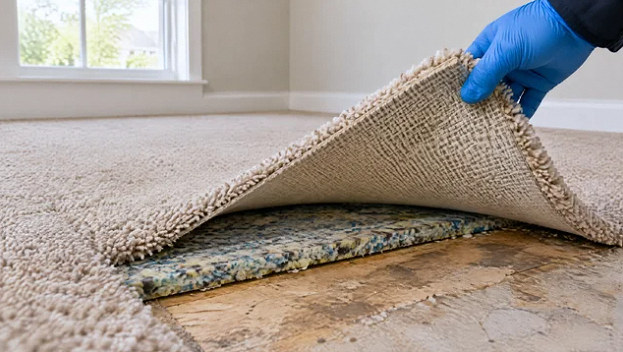
Wet Carpet and Padding: What Can Be Saved?
How to discuss carpet salvage after water damage, including the water source, padding, supporting floor, and repair expectations.
Read the guide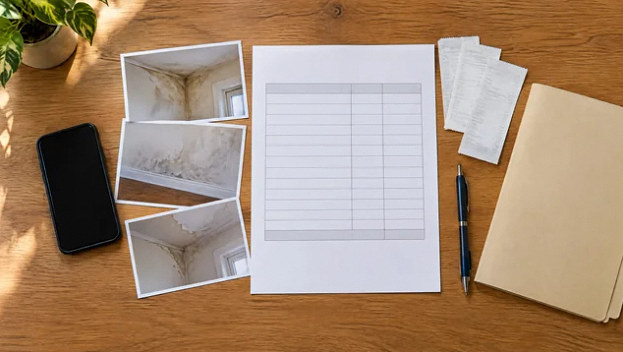
Documentation · 5 min read
Water Damage Estimates: Understand the Work and Keep Clear Records
Review emergency authorization, equipment charges, scope changes, and insurance documentation without assuming every cost is covered.
Read the guide