
Flood damage · 6 min read
After Outside Flooding: Who Clears Power and HVAC to Restart?
Create a system-by-system restart record after outside floodwater reaches electrical equipment, heating or cooling components.
YKCA · References checked 2026-10-03
Start with the essentials
A practical decision sequence
At a glance
Three things to keep in view.
List affected systems
Record exposure and current restrictions by system.
Assign qualified review
Coordinate electrical, HVAC and restoration responsibilities.
Document restart
Keep separate approvals, repair records and remaining limits.
The key point
Utility service restoration, electrical equipment approval and HVAC cleanup are separate decisions. Keep each affected system out of service until the appropriate professional has assessed it and documented the next step.
Floodwater has receded from the garage and lower level. The neighborhood electricity is back, the floors are drying and you want the air conditioning running again. The furnace, outlets and part of the duct system were in the water, but nobody has explained which system can safely restart.
This is a handoff problem among several specialists. The goal is a clear record of each system’s condition and release, rather than one broad statement that the house has power or the restoration company is finished.
Related service: Flood damage questions and planning
Separate service availability from equipment condition
CDC calls for an electrician to check a flooded home's electrical system before power is turned back on. Restored utility service does not establish the condition of components that were exposed inside the property. Keep affected systems isolated as directed by qualified professionals and do not test them simply to see whether they still operate.
Tell the restoration lead which systems remain unavailable. Equipment selection and occupancy arrangements may depend on that information. If one part of the building has been assessed and another has not, ask for that distinction in writing. A partial release should identify its limits so another crew does not assume that every receptacle, appliance or mechanical unit is ready for use.
Sources for this section
Create an affected-system list
List the systems that may have been exposed: distribution equipment, receptacles, controls, appliances, furnace or air handler, outdoor equipment and ductwork. Use safe photographs and observations from the professional assessment. Include equipment located above the visible waterline if the assessor identifies another exposure path, but do not assume every component is damaged merely because the room flooded.
For each item, record the responsible professional, known exposure, current restriction and next action. Mark uncertain items as requiring assessment. A room-by-room drying map and an equipment list answer different questions, so keep both. The list gives the electrician and HVAC contractor a shared starting point without asking either to make decisions outside the systems they have actually inspected.
Ask for manufacturer-specific electrical decisions
NEMA's 2026 guidance announcement directs attention to evaluation of water-damaged electrical equipment and appropriate reconditioning decisions. It is not a homeowner repair procedure. Ask the electrical contractor which manufacturer instructions and applicable guidance support replacement, approved reconditioning or further evaluation of the specific equipment at your property.
Request identification of the affected component and the reason for the decision. “It dried out” is not a complete account of how contamination or internal damage was evaluated. Likewise, a proposal to replace equipment should identify what was exposed rather than relying only on a general flood label. The required detail is enough to connect the observation, qualified assessment and proposed action in the repair record.
Sources for this section
NEMA: 2026 Guidance on Evaluating Damaged Electrical Equipment
Treat HVAC as equipment plus the air-distribution path
EPA's flooded-home guidance says not to restart HVAC until cleanup, drying, needed repairs and remediation have been addressed. Ask the HVAC professional to examine the relevant equipment and distribution components, including accessible ducts, insulation, filters and controls as appropriate to the system and exposure.
A unit that turns on does not demonstrate that the air path is ready to serve occupied rooms. Ask which parts were inspected, which require replacement or cleaning and which remain inaccessible. Coordinate that work with the restoration team so contaminated materials are not left concealed while the household assumes that ordinary ventilation has resumed. Avoid authorizing a quick startup solely to make the room feel more comfortable during cleanup.
Sources for this section
Define the temporary conditions for the household
While systems are unavailable, discuss essential power, heating or cooling needs with the responsible professionals and property manager. Identify residents who depend on powered equipment or have difficulty tolerating the temporary conditions. Do not assume that a few restoration machines provide adequate living conditions or replace the functions of the disabled building systems.
If temporary equipment is proposed, ask who supplies it, how it will operate safely and what restrictions remain. Keep the plan specific to the property rather than improvising extension cords or fuel-powered devices. The existing emergency-response guidance covers temporary-power coordination; here the important point is to preserve the restrictions until the appropriate permanent system has a documented assessment and restart decision.
Align inspections and repair sequencing before walls close
Ask each specialist what access is required before finish repairs. Electrical components, duct sections or mechanical connections may need inspection while an assembly is open. Put those dependencies into the reconstruction schedule so a finished wall does not have to be reopened because the system decision was assumed rather than completed.
Confirm permit and inspection requirements with the local building department for the actual repair scope. A moisture report, contractor invoice and municipal inspection serve different purposes. Request the applicable records without treating any one of them as a universal occupancy certificate. If a specialist's recommendation depends on work by another trade, assign who verifies that dependency before the equipment is restarted.
Complete a separate release for each affected system
At handoff, ask for a concise record identifying what was inspected, repaired or replaced; who performed the work; remaining restrictions; and any follow-up needed. Include relevant manufacturer documents and required inspection records. Give occupants straightforward operating instructions based on that professional handoff rather than on assumptions made during the first cleanup visit.
This article cannot approve flooded equipment, prescribe reconditioning or certify a building for occupancy remotely. Its purpose is to prevent a gap between utility restoration, cleanup completion and system readiness. A successful handoff leaves the owner able to answer which systems are available, which remain restricted and exactly who is responsible for resolving the remaining items.
Common questions
Can I restart HVAC as soon as floodwater is removed?
Do not treat water removal as clearance. EPA calls for cleanup, drying, needed repairs and remediation before HVAC restart. Have the appropriate professional assess the exposed equipment and air-distribution path.
Sources for this section
Does utility power restoration mean flooded outlets are safe?
No. Available utility service is separate from the condition of the property’s exposed electrical equipment. Obtain a qualified electrical assessment and follow its specific restrictions.
Sources for this section
Sources and further reading
References checked 2026-10-03. Guidance depends on the loss, affected materials, scope of work and property conditions.
The homeowner question behind this guide
These public discussions informed the questions addressed here. Personal experiences and comments are not technical findings or proof of insurance coverage.
Discuss the next step for your property.
Share what happened, which areas are affected and the decisions you need help with.
Discuss flood damageRelated decisions
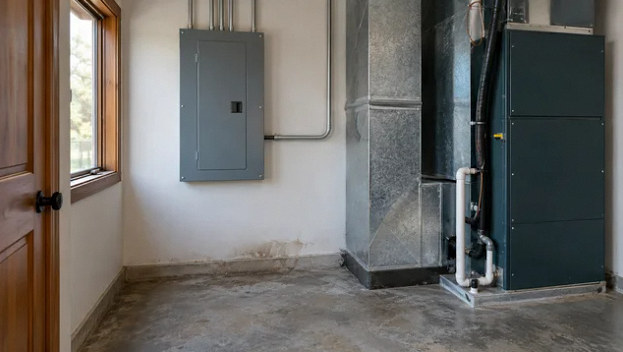
Materials and repairs · 3 min read
Wet HVAC and Electrical Equipment: Who Needs to Inspect It?
Separate building drying from the assessment of heating, cooling, wiring devices, and equipment exposed to water.
Read the guide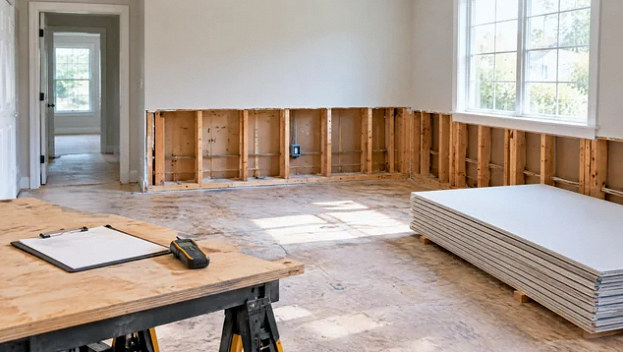
Materials and repairs · 5 min read
Before Rebuilding: How to Review the Drying Handoff
Ask for final material readings, remaining limitations, source-repair records, and a clear handoff before new finishes cover the work.
Read the guide