
Flood damage · 6 min read
Before Pumping a Flooded Basement: Check the Outside Conditions
Ask for a pumping plan that accounts for groundwater pressure, electrical safety, discharge and changing site conditions.
YKCA · References checked 2026-10-03
Start with the essentials
A practical decision sequence
At a glance
Three things to keep in view.
Check the site
Describe exterior water, foundation concerns and access limits.
Agree on the plan
Confirm pumping sequence, monitoring and discharge.
Review the transition
Move from standing-water removal to cleanup and drying assessment.
The key point
After outside flooding, removing basement water too quickly can create structural risk when surrounding soil remains saturated. Obtain a site-specific pumping plan instead of choosing a pump by water depth alone.
Several inches of water are standing in the basement after a severe storm. A rental pump is available, and online advice says to remove the water immediately. Outside, however, the yard is still saturated and water remains against part of the foundation.
The right question is not simply whether the pump can empty the room. It is whether the building and site can tolerate the planned removal, where the discharge will go, and who will monitor changing conditions.
Related service: Flood damage questions and planning
Understand why faster removal is not always safer
Nebraska Extension explains that water in saturated ground pushes against basement walls while water inside can provide opposing pressure. Draining too quickly can leave greater pressure outside and contribute to cracking or failure of walls and floors. The warning concerns the relationship between interior and exterior conditions, not a universal safe number of inches indoors.
This does not mean leaving every water-damaged basement unattended. It means arranging a competent assessment of the site and structure before treating maximum pumping speed as the objective. Tell the responding contractor whether exterior water remains, whether neighboring lower levels are flooded and whether you have observed new cracks or movement from a safe location. Those observations may change who needs to assess the situation.
Sources for this section
Resolve electrical and entry hazards first
CDC warns against using electrical equipment while standing in water and advises electrical assessment before power is restored in a flooded home. Do not enter the basement merely to reach a receptacle, panel or pump connection. A utility outage does not substitute for confirmation that the affected installation is safe.
Tell the crew about submerged equipment and any difficulty reaching the lower level. If you see structural movement, gas concerns or an immediate threat to people, stay clear and use the appropriate emergency response. A pump rental receipt does not establish safe access. Qualified responders need to decide how equipment can be operated without putting a person into an unassessed electrical or structural environment.
Sources for this section
Describe the outside water and the building
Give the assessor a factual picture of the event: street flooding, standing water around the foundation, continuing entry, approximate visible depth and previous water problems. Describe the foundation only to the extent you know it. Do not guess about wall construction, reinforcement or below-grade drainage simply because a surface looks like concrete.
Mention shared or adjoining walls and earlier structural repairs if they are documented. Photographs taken from safe locations can help the responder prepare, but they cannot measure groundwater pressure or establish structural capacity. Ask whether the conditions require an engineer or other specialist before removal proceeds. The assessment should identify what is known and what the proposed pumping approach assumes.
Ask who sets the pumping sequence
Request a plan that identifies when removal may begin, how its progress will be monitored and what conditions would require a pause or reassessment. The appropriate sequence depends on the site; do not borrow a fixed pump-down rate from a general article and assume it fits your foundation.
Ask who has authority to change the plan if water returns or a new concern appears. A useful assignment names the responsible lead and how the owner will receive updates. If the crew proposes continuous unattended pumping, ask how changing inflow, equipment problems and building observations are handled. Monitoring is part of the work, not an optional detail after the pump has been installed.
Confirm where the removed water will go
Ask the contractor to identify a lawful and suitable discharge route for the actual water conditions. Outside floodwater may require different handling from a known sanitary leak. Pumping water somewhere convenient can be ineffective if it returns toward the foundation, obstructs access or affects neighboring property. Relevant local restrictions need to be checked by the responsible provider.
Clarify whether the equipment and discharge route remain workable if rain continues or access changes. Do not run hoses across exits or traffic paths without a safe arrangement. This discussion is especially important in a dense property layout where the obvious open space belongs to someone else. The plan should account for both removing water from the room and preventing the removal method from creating another problem.
Keep an observation record without entering the hazard
Ask the professional crew to record the starting condition, removal stages, any rebound and significant changes in the structure or source. Request photographs or a written update from their authorized work areas. The homeowner's role is to preserve that record, not to enter a flooded basement repeatedly to verify the contractor's measurements.
If the level rises again, ask whether the assessment still supports the same approach. Rebound may show that surrounding water or another source continues to feed the space, but a remote article cannot identify which explanation applies. Record the professional's response and next action. Avoid turning continued inflow into an automatic instruction to obtain a bigger pump without revisiting the site conditions.
Plan the work after standing water is removed
A pumped-out basement still needs assessment of contamination, affected materials, concealed areas and utility equipment. Request a separate cleanup and drying scope that identifies what will be retained, removed or inspected further. The end of pumping is a transition to the next phase, not a clearance to use the room normally.
Keep the pumping record with later moisture and repair documentation. If the entry cause remains unresolved, carry that issue into the reconstruction plan before finishes conceal evidence or complicate access. This article cannot prescribe a safe pumping rate or evaluate foundation stability. Its useful outcome is a professional plan that connects exterior conditions, building safety, equipment operation, discharge and the next recovery stage.
Common questions
Why can pumping a flooded basement too quickly be dangerous?
If surrounding soil remains saturated, rapidly lowering the inside water level can increase the pressure difference across basement walls and floors. Obtain site-specific professional guidance rather than using a universal pump-down rate.
Sources for this section
Is the water depth enough to decide whether I need professional help?
No. Electrical exposure, structural condition, exterior water, ongoing inflow, contamination and discharge constraints also matter. Describe those conditions to a qualified responder without entering an unsafe area.
Sources for this section
Sources and further reading
References checked 2026-10-03. Guidance depends on the loss, affected materials, scope of work and property conditions.
The homeowner question behind this guide
These public discussions informed the questions addressed here. Personal experiences and comments are not technical findings or proof of insurance coverage.
Discuss the next step for your property.
Share what happened, which areas are affected and the decisions you need help with.
Discuss flood damageRelated decisions
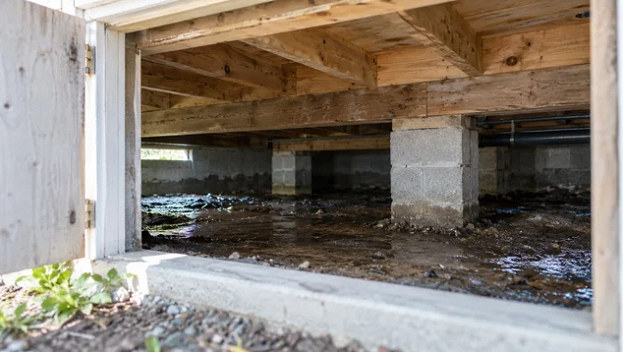
Materials and repairs · 3 min read
Water in Crawlspaces and Basements: Beyond Pumping It Out
Plan assessment of standing water, access, drainage, insulation, and framing beneath the occupied part of a building.
Read the guide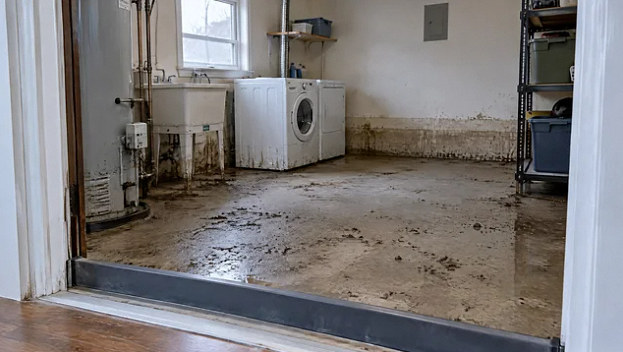
First decisions · 5 min read
Sewage and Floodwater: Questions Before Cleanup Begins
Understand why contaminated water changes cleanup decisions, what to ask about belongings, and how to document damage safely.
Read the guide