
Flood damage · 6 min read
Flood Recovery When You Have No Confirmed Coverage
Prioritize safety, documented cleanup and essential repairs when outside flooding leaves you facing an uncertain recovery budget.
YKCA · References checked 2026-10-03
Start with the essentials
A practical decision sequence
At a glance
Three things to keep in view.
Establish safe access
Identify required safety and contamination assessments.
Define the first scope
Authorize a priced stage and a clear next review.
Confirm funding
Track coverage and assistance without assuming either will pay.
The key point
Build a staged recovery plan around safe access, contamination assessment and essential systems. Confirm coverage and assistance separately, and avoid committing the entire repair budget before the scope is understood.
Street water has entered the garage and lower level. The carpet, children’s belongings and mechanical equipment are wet, and you do not have a separate flood policy. Every proposed task sounds urgent, but you cannot agree to an unlimited cleanup bill.
The immediate objective is an affordable, defensible first stage of recovery. That does not mean ignoring contamination or attempting dangerous work yourself. It means identifying which decisions protect people and the building now, while keeping later replacement and finish choices open.
Related service: Flood damage questions and planning
Establish safe access before assigning cleanup tasks
EPA advises waiting for professional guidance before reentering a flooded home and warns that outside water can carry sewage or chemicals. A tight budget does not make electrical hazards, unstable materials or contaminated contents less serious. Keep people out of restricted areas and identify which professional assessment is needed before anyone starts work.
Tell the responding contractor about essential needs, including accessible routes, medications already outside the affected area and whether the household has somewhere safe to stay. Ask what can be inspected from safe areas and which spaces remain off limits. A quote built around unrestricted access may be unusable if the lower level has not been cleared for entry or essential utilities remain unsafe.
Sources for this section
Confirm the coverage situation instead of assuming it
The National Flood Insurance Program explains that most homeowners policies do not cover flooding. Even so, report the actual event to your insurer and ask it to review the policy and cause rather than deciding from the everyday word “flood.” A separate vehicle policy, contents policy or endorsement may involve different questions that the appropriate insurer must answer.
Request a written explanation of the determination and the documents needed for review. Do not promise the contractor an insurance payment that has not been confirmed. If a company offers to proceed on the assumption that coverage will appear later, read who remains responsible for the bill. Your work authorization should fit the resources you can actually commit while the claim questions remain unresolved.
Sources for this section
Ask for a staged scope with clear stopping points
Request separate descriptions for immediate stabilization, contamination cleanup and removal, drying and monitoring, essential system repairs, and final finishes. These stages may overlap operationally, but their costs and decision points should remain visible. Ask which tasks depend on observations that have not yet been made.
A useful first proposal identifies the areas included, equipment assumptions, labor basis, disposal approach and next review. If the contractor cannot set a total because conditions are concealed, ask for the method of pricing changes and the point when your approval is needed. The purpose is not to force an unrealistic fixed price; it is to avoid authorizing an undefined project when you are still establishing its boundaries.
Preserve a simple loss record before items disappear
The California Department of Insurance's claims guidance emphasizes documentation of damage and expenses. Photograph accessible affected areas and belongings when safe, keep receipts and communicate with the insurer about necessary mitigation and disposal. Do not delay an urgent safety measure solely to create a perfect inventory.
Assign one person to organize records while qualified workers handle the affected areas. Use room names, item descriptions, approximate purchase information if known and the reason an item was removed. Distinguish an item discarded as contaminated from one replaced merely to match a new finish. Even where insurance does not respond, the record helps compare invoices, track belongings and explain applications for any available assistance.
Sources for this section
California Department of Insurance: Residential Property Claims Guide
Compare proposals on the same necessary work
When seeking another price, share the same safe-access restrictions, photographs and observed conditions. Ask each contractor to identify inclusions and exclusions by stage. A low initial amount can be difficult to compare with a higher proposal that includes disposal, equipment monitoring and later visits. Request quantities or assumptions where they materially affect the cost.
Discuss optional finish choices after the required cleanup and repair conditions are understood. Replacing an expensive cabinet style, upgrading a room or restoring a recreational space may be separable from establishing a safe, functional building. The assessor must identify what is technically necessary; the owner can then decide which discretionary features to defer. Neither a cosmetic compromise nor a budget cap should be represented as proof that the affected structure is ready.
Investigate assistance without spending anticipated funds
FEMA's Individuals and Households Program addresses eligible uninsured or underinsured necessary expenses and serious needs; it is not designed to compensate every disaster loss. Availability and eligibility must be checked for the actual event and applicant. Do not build a signed construction commitment around an assumed grant or a neighbor's award.
Use official disaster and local recovery channels to find current programs, application steps and deadlines. Keep confirmation numbers and requests for additional records together. If financing is considered, review repayment obligations independently of the contractor's repair proposal. A loan, charitable resource and insurance payment are different sources of funds, and a company helping with paperwork does not guarantee that any of them will be available.
Sources for this section
Federal Program Inventory: disaster assistance to individuals and households
Choose a documented minimum recovery milestone
Ask the project lead to define the conditions needed before the household can safely use the relevant areas, and which work remains afterward. That milestone may involve contamination removal, moisture verification, utility assessments and required inspections. It should be described for your building rather than reduced to “the machines are gone.”
This article cannot decide coverage, approve reoccupancy or determine what you can safely perform yourself. Its practical result is a staged plan that connects necessary work, unresolved findings and available funding. Review that plan at each stopping point. A functional recovery with deferred finish upgrades can be a deliberate choice; an undocumented shortcut through safety or cleanup requirements leaves the next decision harder and potentially more expensive.
Common questions
Should I still call my insurer if I do not have flood insurance?
Yes. Report the observed cause and damage and ask which policies or endorsements, if any, apply. Most homeowners policies exclude flooding, but do not substitute a contractor’s label or a general article for a policy-specific response.
Sources for this section
How can I limit an initial flood-cleanup commitment?
Ask for a defined first scope, its pricing basis and a review point before additional work. Separate necessary cleanup and system repairs from later finish choices, while obtaining professional guidance on hazards and contamination.
Sources and further reading
References checked 2026-10-03. Guidance depends on the loss, affected materials, scope of work and property conditions.
The homeowner question behind this guide
These public discussions informed the questions addressed here. Personal experiences and comments are not technical findings or proof of insurance coverage.
Discuss the next step for your property.
Share what happened, which areas are affected and the decisions you need help with.
Discuss flood damageRelated decisions

Documentation · 5 min read
Water Damage Estimates: Understand the Work and Keep Clear Records
Review emergency authorization, equipment charges, scope changes, and insurance documentation without assuming every cost is covered.
Read the guide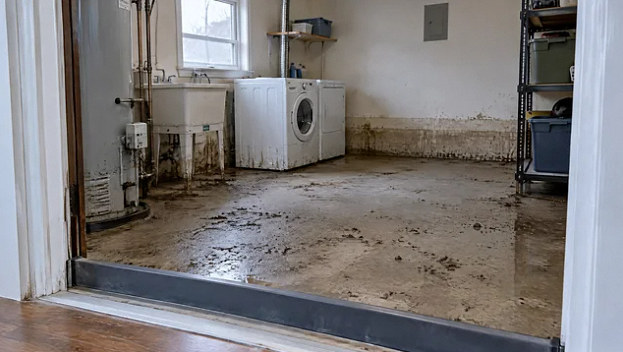
First decisions · 5 min read
Sewage and Floodwater: Questions Before Cleanup Begins
Understand why contaminated water changes cleanup decisions, what to ask about belongings, and how to document damage safely.
Read the guide