
Structural drying · 6 min read
Why Are the Drying Machines Still Here? Review Equipment Days
Check whether continued drying equipment matches material readings, monitoring visits and the agreed rental terms before disputing extra days.
YKCA · References checked 2026-10-03
Start with the essentials
Three timelines to reconcile
At a glance
Three things to keep in view.
Compare the logs
Device presence, operating time and technician visits are distinct.
Identify remaining moisture
Ask for the exact locations still above their target.
Clarify collection
Agree what ends technical use and what ends rental billing.
The key point
Compare equipment days with the drying record and contract. Continued rental may be justified, but a calendar alone does not show which material still needed it or when collection should occur.
The floor feels dry, the machines have been running for several days, and you expected them to leave today. Instead, the crew moves a dehumidifier or adds another air mover. Without an explanation, continued structural drying can look like an open-ended rental arrangement. The right response is to request the records that connect the extension to the building's condition.
Do not decide the issue solely from the noise, a customary duration or the final invoice. Review technical need, actual operation and billing terms as three related timelines. That makes it possible to identify both justified extensions and charges that need a clearer explanation.
Related service: Structural drying questions and planning
Reconstruct when each device was present
List installation, replacement, relocation and collection times for the equipment in each room. Use the contractor's inventory and your own safe observations. If one dehumidifier was exchanged for another, clarify whether the record reflects a replacement or two operating units. Avoid counting a device twice simply because its model changed during the job.
Record known shutdowns, power interruptions and malfunction reports. Do not assume equipment operated continuously because it remained in the building. Likewise, a technician's short visit does not mean the machine did no work between visits. Presence, operation and monitoring labor are separate facts, and an understandable invoice should not require you to guess which one a charge represents.
Ask which material still requires drying
Request the latest measurements by location and the target used for each retained material. The answer should identify what remains above the target, not merely state that the room is still wet. A cabinet-base cavity or a floor layer may behave differently from exposed framing. Knowing the remaining affected area helps you understand why equipment is still positioned where it is.
Compare the latest record with earlier visits. Ask whether the readings use comparable methods and whether the team can explain the direction of change. If there are no comparable measurements, the need for continued work may still be real, but the evidence is incomplete. Ask how the team will fill the gap rather than treating the absence of a record as proof that everything is already dry.
Sources for this section
Review the reason for a changed setup
Moving or adding equipment can reflect a newly exposed cavity, an altered work area, a machine problem or a drying strategy adjustment. Ask which reason applies and what result is expected. The record should identify the date, finding and next review point. An extra device with no stated purpose is difficult to evaluate, even when the overall job remains necessary.
If progress is poor, ask whether the source has been controlled and whether inaccessible wet material needs reassessment. Simply extending the calendar without reviewing the problem may not be enough. You do not need to prescribe a machine count; you need the responsible person to explain the plan and the evidence that will show whether the adjustment is working.
Read the rules for rental and pickup
Find the agreement's description of a rental day, minimum period, monitoring charge and collection arrangement. Ask whether billing ends when drying is complete, when a removal request is accepted or when equipment is physically collected. Do not assume all providers use the same rule. If the document is unclear, request a written explanation before another avoidable period passes.
Distinguish access delays from scheduling delays. If the team could not enter because no one was available, note that fact. If collection was postponed by the contractor after completion, note that too. These are useful details for reviewing the invoice; they do not automatically establish a particular legal result. Keep the timeline factual rather than adding unsupported accusations.
Present a focused question to the insurer
If the insurer accepts fewer equipment days than the contractor billed, ask for the basis of the difference. Provide the equipment timeline, drying log, scope changes and any access or pickup correspondence. A technical justification may need clarification, or the disagreement may concern policy coverage, pricing or a contract term. Those are different issues and should not be collapsed into one argument.
Do not assume you are responsible only for the deductible because the job began as an insurance claim. Ask the contractor and insurer to explain their positions and identify the unresolved amount. California's property claims guide describes routes for addressing a claim disagreement. A contractor invoice dispute may also require separate advice, especially where the signed agreement is unclear or contested.
Sources for this section
California Department of Insurance: Residential Property Claims Guide
Agree the next checkpoint and close the record
Before the next visit, ask what finding would allow equipment reduction or removal and who will communicate that decision. If the building reaches the target, request the completion record and a collection time. If it does not, ask what further investigation or adjustment follows. This prevents the homeowner's only feedback from being the continuing sound of machinery.
At collection, reconcile the actual devices and dates with the invoice. Raise specific discrepancies in writing and retain the final version with the drying report. A clear record may confirm the original charges or support a correction. In either case, it replaces a debate about whether the job felt too long with a review of what was needed, what was done and what was agreed.
Common questions
Is three days the maximum reasonable rental?
No universal number fits every wet assembly. Ask for the remaining affected locations, their measurement trends and the documented reason for continued equipment. An insurer's initial allowance and the technical condition of the building are separate pieces of the review.
Should I remove equipment myself to stop charges?
Arrange the next step with the contractor. Moving or stopping equipment can change the drying conditions and create disagreement over responsibility. Document your collection request and ask what condition or contractual term is preventing removal.
Sources and further reading
References checked 2026-10-03. Guidance depends on the loss, affected materials, scope of work and property conditions.
The homeowner question behind this guide
These public discussions informed the questions addressed here. Personal experiences and comments are not technical findings or proof of insurance coverage.
Discuss the next step for your property.
Share what happened, which areas are affected and the decisions you need help with.
Discuss structural dryingRelated decisions
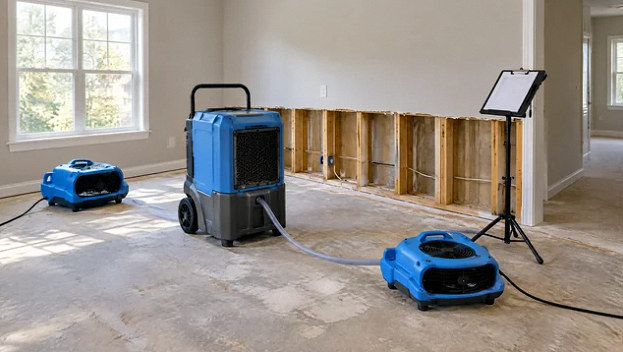
Drying and equipment · 5 min read
How Long Does Water Damage Drying Take?
Understand what controls drying time, what a useful progress report includes, and which questions to ask before equipment is removed.
Read the guide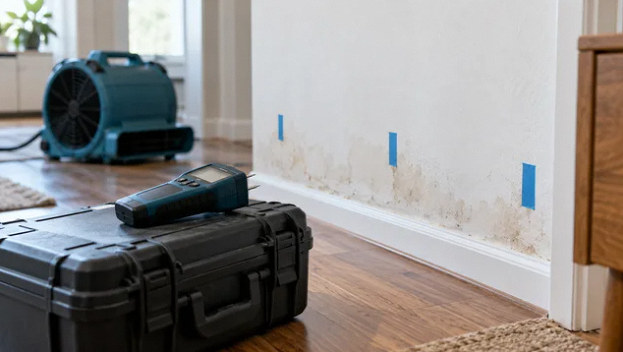
Drying and equipment · 3 min read
Why Water Damage Drying Can Stall
What to review when drying readings stop improving: the source, concealed layers, measurement locations, and equipment operation.
Read the guide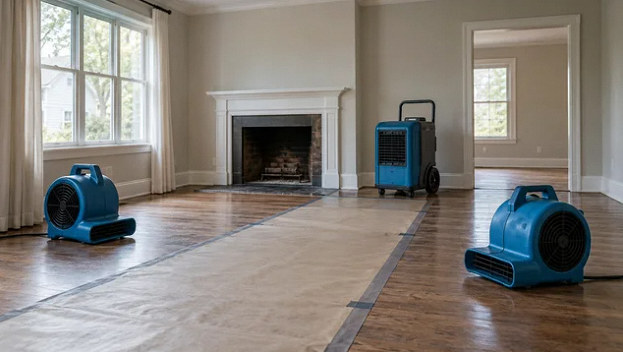
Drying and equipment · 3 min read
How Much Drying Equipment Does a Water Damage Job Need?
Compare a drying equipment plan using affected materials, room dimensions, machine capacity, and documented progress.
Read the guide