
Drying and equipment · 3 min read
How Much Drying Equipment Does a Water Damage Job Need?
Compare a drying equipment plan using affected materials, room dimensions, machine capacity, and documented progress.
YKCA · References checked 2026-10-03
Start with the essentials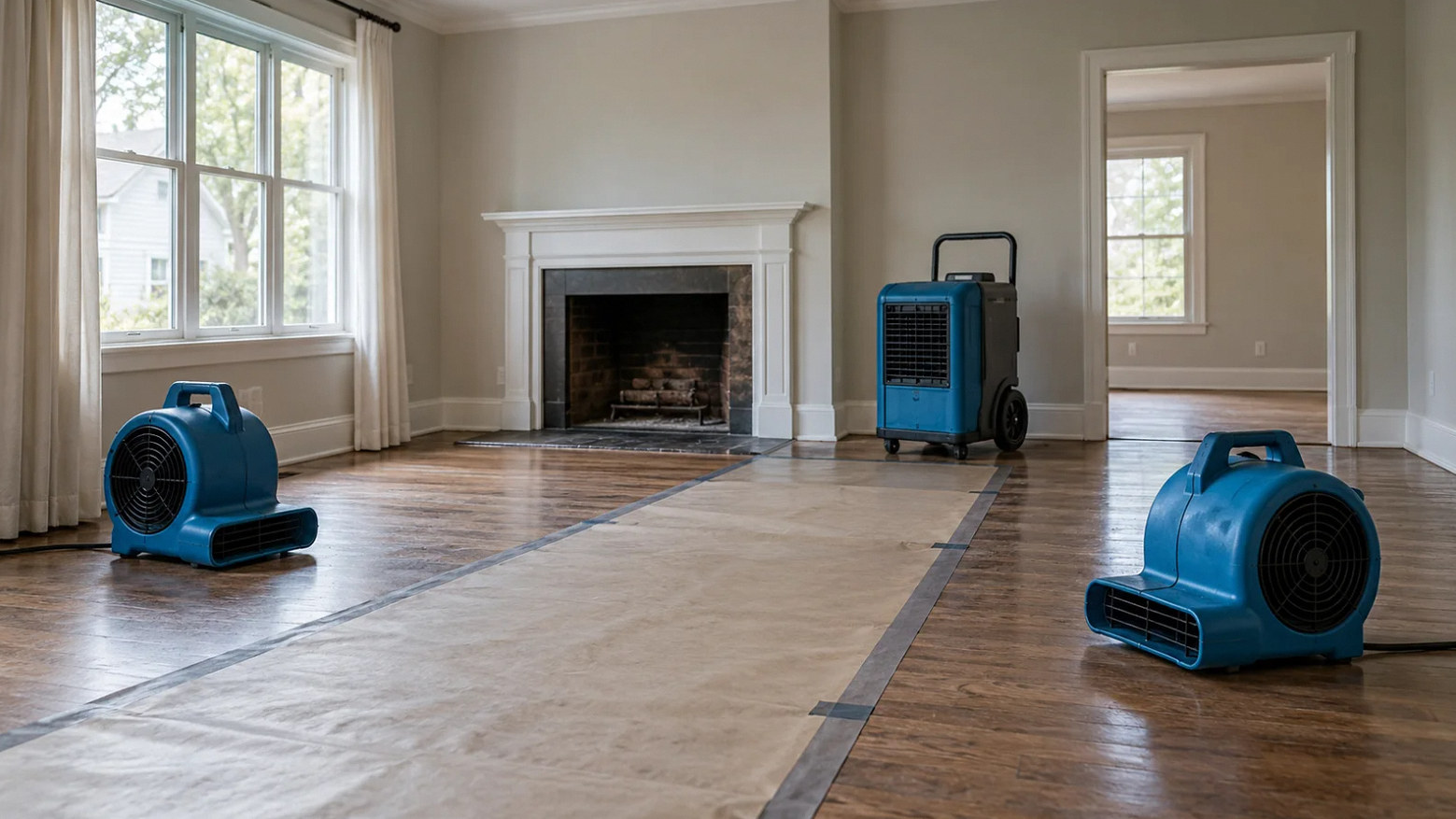
At a glance
Three things to keep in view.
Inputs
Match volume and wet materials to the scope.
Capacity
Identify the actual machine and rating conditions.
Adjustment
Link equipment days to recorded progress.
The key point
An equipment count should come with a reason for the initial setup and a process for adjusting it. Room size alone cannot explain every air mover, dehumidifier, or equipment day.
Two contractors may propose different equipment for the same room. The difference deserves an explanation, but it does not automatically prove overbilling or under-drying. Start by comparing what each plan assumes about wet materials, access, and machine capacity.
Identify the machine and the rating
A dehumidifier's capacity depends on stated operating conditions. The Phoenix owner manual lists equipment specifications and operating instructions for a particular model. A rating on one machine is not a promise that it removes the same amount of water in every room, throughout the job.
Ask for the model or capacity used in the proposal, along with the affected volume and materials. The S500 public overview includes equipment and drying technology within restoration practice; it does not provide a universal homeowner formula for the correct number of machines.
Compare the drying area, not just floor area
A drying arrangement may cover a whole room or a smaller controlled zone. Ceiling height changes volume. Wet walls, ceilings, cabinets, and layered floors add questions that a single square-foot number misses. Ask the estimator to identify the actual area each machine serves.
A useful sketch can show the proposed work boundary, retained wet materials, and locations that need separate attention. If two estimates use different boundaries, reconcile that difference before comparing counts. Otherwise the numbers may describe different jobs despite having the same address.
Ask what each air mover is intended to reach
Air movement should have an explained drying purpose. A niche, ceiling, or obstructed wall base may need attention that is not obvious from the center of the room. Ask how the arrangement serves those locations and who will adjust it as conditions change.
Do not reposition or add equipment yourself. A different arrangement can affect the drying plan, access routes, and electrical loading. If a machine blocks daily use of the home, report the problem and request a planned adjustment rather than quietly moving it behind furniture.
Require a review process for equipment days
Record when machines are placed, checked, adjusted, and removed. Each update should connect continued use to the materials still being dried. Equipment duration is easier to assess when there is a consistent material log rather than only photographs of machines running.
Ask in advance how charges change if equipment is added or retained longer. The person authorizing the work should know when a revised scope will be discussed. A preliminary duration is a planning estimate; a final duration should be explainable from the job record.
Investigate differences before alleging a problem
If an invoice surprises you, ask for the room sketch, equipment list, monitoring records, and explanation of changes. Compare those documents with the agreed scope. Note specific gaps, such as an unrecorded installation date or a machine listed in a room that was never part of the work.
A constructive review focuses on evidence. Neither a large count nor a small count establishes quality by itself. The stronger proposal identifies the assumptions, describes how performance will be checked, and gives you a clear contact when the plan needs revision.
Common questions
Can I use a classroom formula to approve the invoice?
A formula can explain an initial estimate, but it cannot replace the assessment, equipment specifications, and monitoring record. Ask the contractor to show the inputs and explain adjustments instead of treating a single calculated count as a final verdict.
Sources and further reading
References checked 2026-10-03. Guidance depends on the loss, affected materials, scope of work and property conditions.
Discuss the next step for your property.
Share what happened, which areas are affected and the decisions you need help with.
Discuss water damage restorationRelated decisions
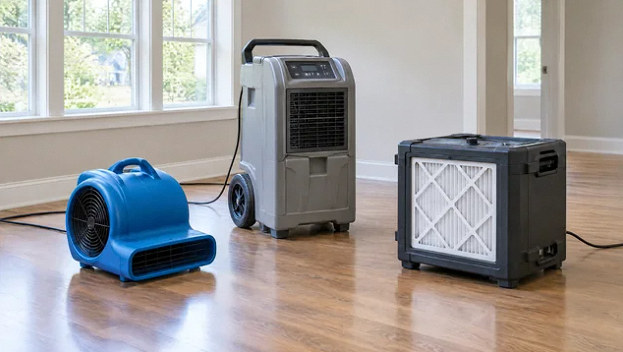
Drying and equipment · 5 min read
Fans, Dehumidifiers, and Air Scrubbers: What Each One Does
Understand the different jobs of restoration equipment and ask how the setup will reach wet materials and verify progress.
Read the guide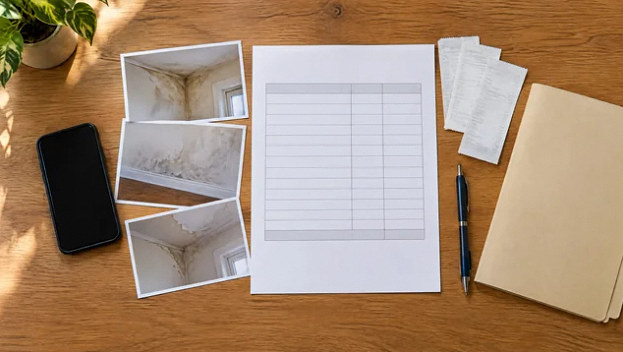
Documentation · 5 min read
Water Damage Estimates: Understand the Work and Keep Clear Records
Review emergency authorization, equipment charges, scope changes, and insurance documentation without assuming every cost is covered.
Read the guide