
Drying and equipment · 3 min read
Why Water Damage Drying Can Stall
What to review when drying readings stop improving: the source, concealed layers, measurement locations, and equipment operation.
YKCA · References checked 2026-10-03
Start with the essentials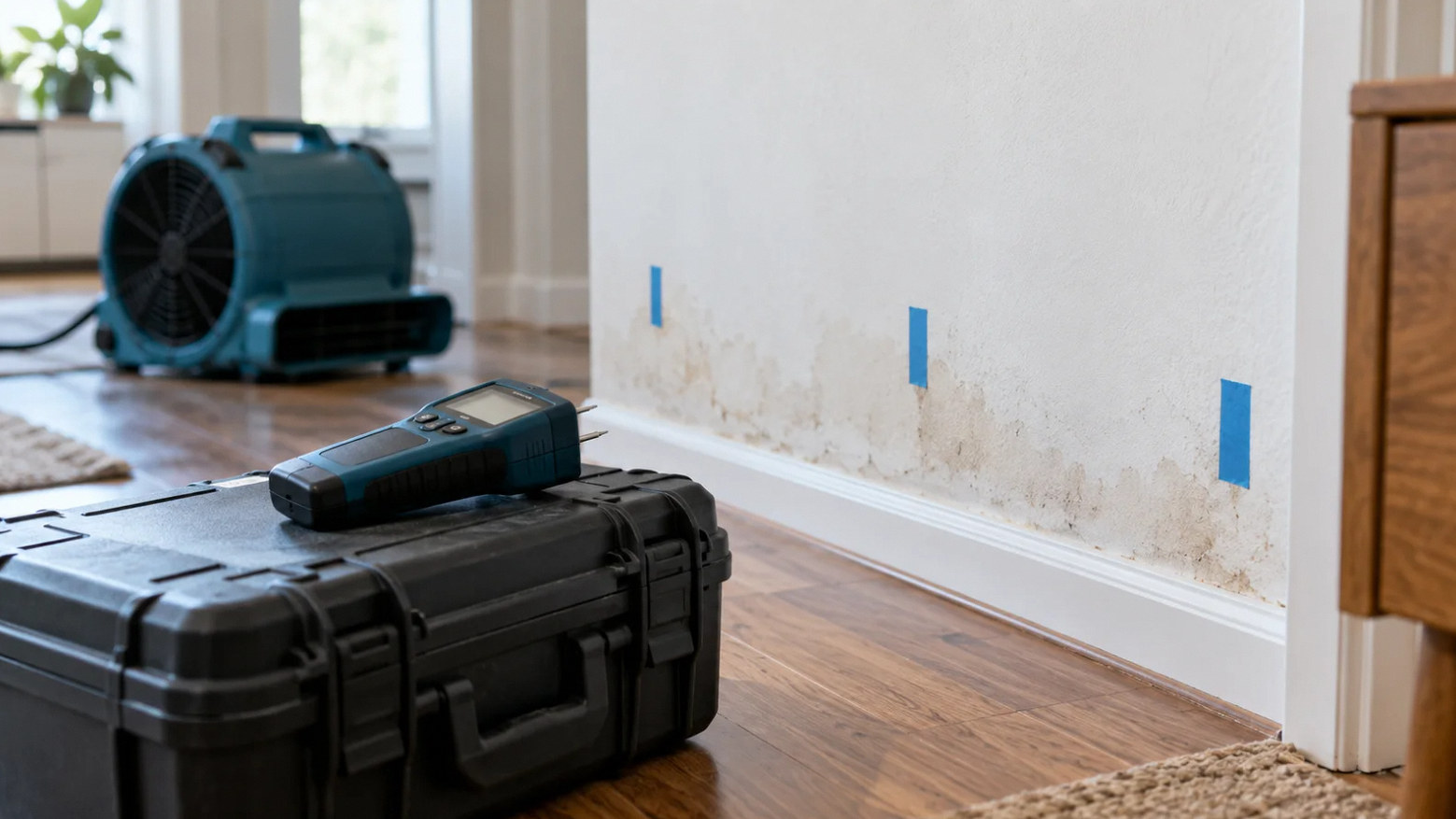
At a glance
Three things to keep in view.
Compare
Use consistent points, materials, and scales.
Investigate
Check source control and inaccessible layers.
Reassess
Define the change and next measurement.
The key point
When readings stop improving, the next step is an explained reassessment. More equipment time should address an identified remaining condition, with a plan for checking the result.
A drying job can make visible progress and then appear to stand still. Before accepting “it just needs longer” or assuming the entire method has failed, ask which reading has stalled and whether it is comparable with the earlier measurements.
Separate an air change from a material change
Temperature and relative humidity describe the air, while a material measurement addresses a particular wall or floor location. Vaisala explains why RH changes with temperature. Equipment manuals also define operating limits and care requirements that can affect a machine's performance.
A lower room RH and an unchanged subfloor reading are not contradictory. They describe different parts of the process. Ask the technician to explain the connection and to identify whether the remaining concern is access to moisture, continuing entry, equipment operation, or measurement interpretation.
Confirm that the comparison is valid
Review the measurement point, material, instrument, and setting. A reading in a different location or on another scale may not represent a true trend. Keep the original point labels so a new technician can return to the same area.
Ask how measurement uncertainty is handled. Small changes should not be given more meaning than the method can support. The useful question is whether the record supports a clear direction and whether the current findings require another investigation or a change in the plan.
Revisit the source and inaccessible layers
A repaired pipe does not automatically account for every possible source. Water can also remain in a layer that was not accessible during the first inspection. Ask whether the original source repair has been confirmed and whether newly affected locations suggest a different path.
For a cabinet or layered floor, request a description of what is known and what remains inferred. If further access is proposed, ask what question the opening will answer and how the area will be repaired afterward. An opening should have an assessment or work purpose.
Record interruptions without guessing their effect
Report known power interruptions, moved equipment, unusual machine behavior, or opened windows. Note the time if you know it. Do not invent the duration of an outage or attempt to calculate how many extra days it caused.
Ask the crew to assess the effect and document any response. Keep the equipment contact number available so a household member can report a problem promptly. If noise or heat makes the current arrangement impractical, discuss it directly rather than switching equipment off without a plan.
Agree on the next decision point
The next update should say what changed, what result is expected, and when the relevant material will be checked again. Possible outcomes include continuing the current plan, changing access or equipment, or reconsidering whether a material can reasonably be retained.
Keep the remaining uncertainty visible when scheduling reconstruction. A tentative painting date should not pressure the team into treating an unresolved reading as satisfactory. Request a clear handoff for each retained assembly, including any limitation that the repair contractor needs to understand.
Common questions
Does one unchanged reading prove the equipment is ineffective?
No. First establish that the reading is comparable and understand the material being measured. A single result can justify checking the plan, but conclusions should consider the trend, access, source control, and documented operating conditions.
Sources and further reading
References checked 2026-10-03. Guidance depends on the loss, affected materials, scope of work and property conditions.
Discuss the next step for your property.
Share what happened, which areas are affected and the decisions you need help with.
Discuss water damage restorationRelated decisions
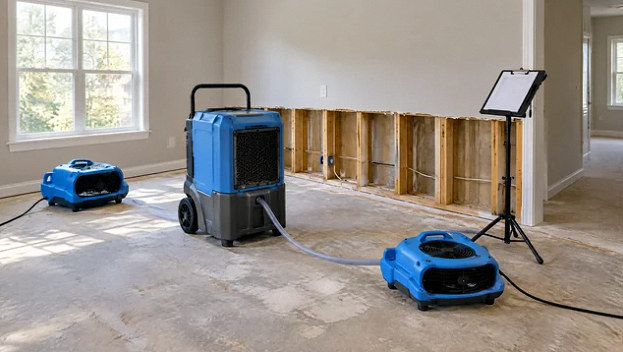
Drying and equipment · 5 min read
How Long Does Water Damage Drying Take?
Understand what controls drying time, what a useful progress report includes, and which questions to ask before equipment is removed.
Read the guide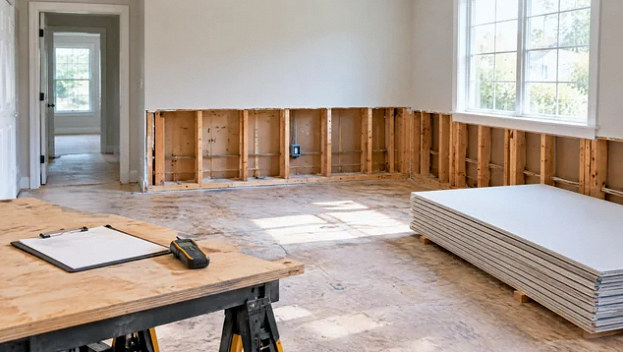
Materials and repairs · 5 min read
Before Rebuilding: How to Review the Drying Handoff
Ask for final material readings, remaining limitations, source-repair records, and a clear handoff before new finishes cover the work.
Read the guide