
Emergency response · 6 min read
A Leak Is Spreading and You Cannot Reach the Shutoff
Plan the right calls when the water shutoff is stuck, inaccessible or shared, without entering a hazardous space.
YKCA · References checked 2026-10-03
Start with the essentials
A practical decision sequence
At a glance
Three things to keep in view.
Identify the obstacle
State whether the valve is unsafe to reach, stuck, locked or unknown.
Coordinate isolation
Connect the provider, plumber and building access contact.
Assess the damage
Confirm source control, then inspect affected materials.
The key point
An inaccessible or uncertain shutoff is a reason to coordinate the serving water utility, property manager and plumber. Do not turn source control into an unsafe search through standing water.
Water is spreading from a utility closet, but the only valve you remember is behind stored items in a wet crawlspace. Another handle is near the meter, and you are unsure whether it belongs to the house or the water provider. The next useful step is to identify who can isolate the supply safely.
This is a response-coordination problem before it is a repair project. A photograph cannot reliably establish valve ownership, electrical conditions or which parts of a shared building will lose water.
Related service: Emergency response questions and planning
Stop the search when access is unsafe
A shutoff is not usefully accessible if reaching it requires entering standing water near electrical equipment or passing beneath damaged building materials. CDC warns against operating electrical equipment while standing in water. Keep people away from the affected route and tell responders exactly why the valve cannot be reached.
Do not recruit a neighbor or tenant to take the same risk because they know the building better. Explain what is visible from a safe place, which entrances remain usable and whether anyone is trapped or needs assistance. Immediate threats to people require emergency services. The restoration call should follow that safety response rather than delay it while someone searches for a plumbing diagram.
Sources for this section
Identify the responsible water provider
Use a recent water bill, the property's records or a verified provider website to identify the serving utility. Cal Water publishes emergency guidance for its customers, but a California address does not establish that Cal Water supplies the property. City departments, special districts and other providers may have different reporting and shutoff procedures.
Tell the utility that there is an active leak and the customer shutoff is inaccessible, stuck or unknown. Ask whether they can isolate service and what their staff need to access the meter. Avoid presenting an unverified valve as utility-owned or customer-owned. The useful information is where it is, what you can see safely and which parts of the property are currently affected.
Sources for this section
Give the plumber a source-control assignment
When booking a plumber, explain that stopping the supply may depend on utility access. A repair appointment and an emergency isolation request are different tasks. Ask whether the plumber needs the utility to attend first and whether the existing valve itself may require replacement after the water is isolated.
Share relevant history without diagnosing the component. Report that a handle has not moved, that it leaks when touched, or that it serves several units if that is established. Do not keep forcing an uncertain or damaged valve while waiting for a callback. Ask the professional responsible for the system to decide how isolation and repair should be coordinated, including any access or permit requirements.
Coordinate mitigation around an uncontrolled source
Tell the restoration company that the water is still entering and that isolation is pending. Ask what assessment or protection can proceed safely and what depends on source control. This avoids a crew assuming the leak is finished when it is still wetting rooms behind the visible puddle.
Keep the utility, plumber and restoration contact informed when the situation changes. Record the time supply was isolated, whether the leak stopped completely and whether another source remains possible. A pump or vacuum removing water does not establish that the leak has been repaired. Likewise, a closed valve does not show which materials became wet before the closure or whether another unit was affected.
Plan for the time without normal water service
Ask the responsible professional which fixtures or systems must remain unused until the repair is complete. Relay those instructions to everyone occupying the building. Where loss of water makes continued occupancy impractical, discuss temporary arrangements with the property manager and, if relevant, the insurer. Do not invent a reopening time before the repair has been assessed.
If the utility issues a water-quality notice, follow its specific directions before consuming water or using affected equipment. Keep those instructions with the repair record so another household member does not restore normal use too early. Temporary service restrictions and repair completion should be stated separately; an invoice showing that a valve was replaced may not answer every operational question for the property.
Turn the incident into an access improvement
After the emergency, ask the plumber to show the owner or manager the appropriate customer shutoff and document its location. If access is poor, request a proposal for a more usable arrangement rather than improvising one during the next leak. Labeling should identify the system accurately and remain understandable to someone who did not attend the repair.
Store a simple photograph, provider contact and access instructions in the property's emergency file. Review who can reach the valve when the usual keyholder is absent. This article cannot identify a safe valve from a remote description or authorize work on a utility component. The completed response should leave both a repaired system and a practical way to reach the right responsible person next time.
Common questions
Who should I call if the water shutoff is inaccessible?
Contact the serving water utility, the property manager if applicable and a qualified plumber. Explain that the leak is active and why the valve cannot be reached. Leave hazardous areas and call emergency services for immediate danger.
Sources for this section
Should I force a stuck shutoff or try another nearby valve?
Do not force a damaged or uncertain valve or guess which system another handle serves. Ask the utility or plumber to identify the appropriate isolation method and arrange access.
Sources and further reading
References checked 2026-10-03. Guidance depends on the loss, affected materials, scope of work and property conditions.
The homeowner question behind this guide
These public discussions informed the questions addressed here. Personal experiences and comments are not technical findings or proof of insurance coverage.
Discuss the next step for your property.
Share what happened, which areas are affected and the decisions you need help with.
Discuss emergency responseRelated decisions
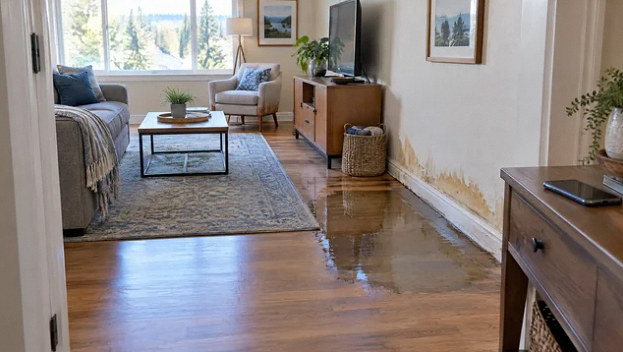
First decisions · 4 min read
Water Damage: What to Do First and Who to Call
A practical starting point after a leak: safe access, stopping the source, choosing help, photos, and questions before drying begins.
Read the guide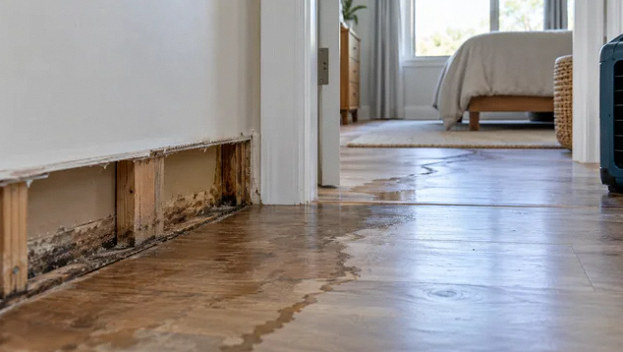
First decisions · 4 min read
How Water Travels Beyond the Visible Leak
Learn why walls, nearby rooms, and belongings can need assessment even when they never sat in a puddle.
Read the guide