
Drying and equipment · 3 min read
Why Water Extraction Comes Before Structural Drying
See what pumping, extraction, and drying each accomplish, and what to ask when standing water has disappeared.
YKCA · References checked 2026-10-03
Start with the essentials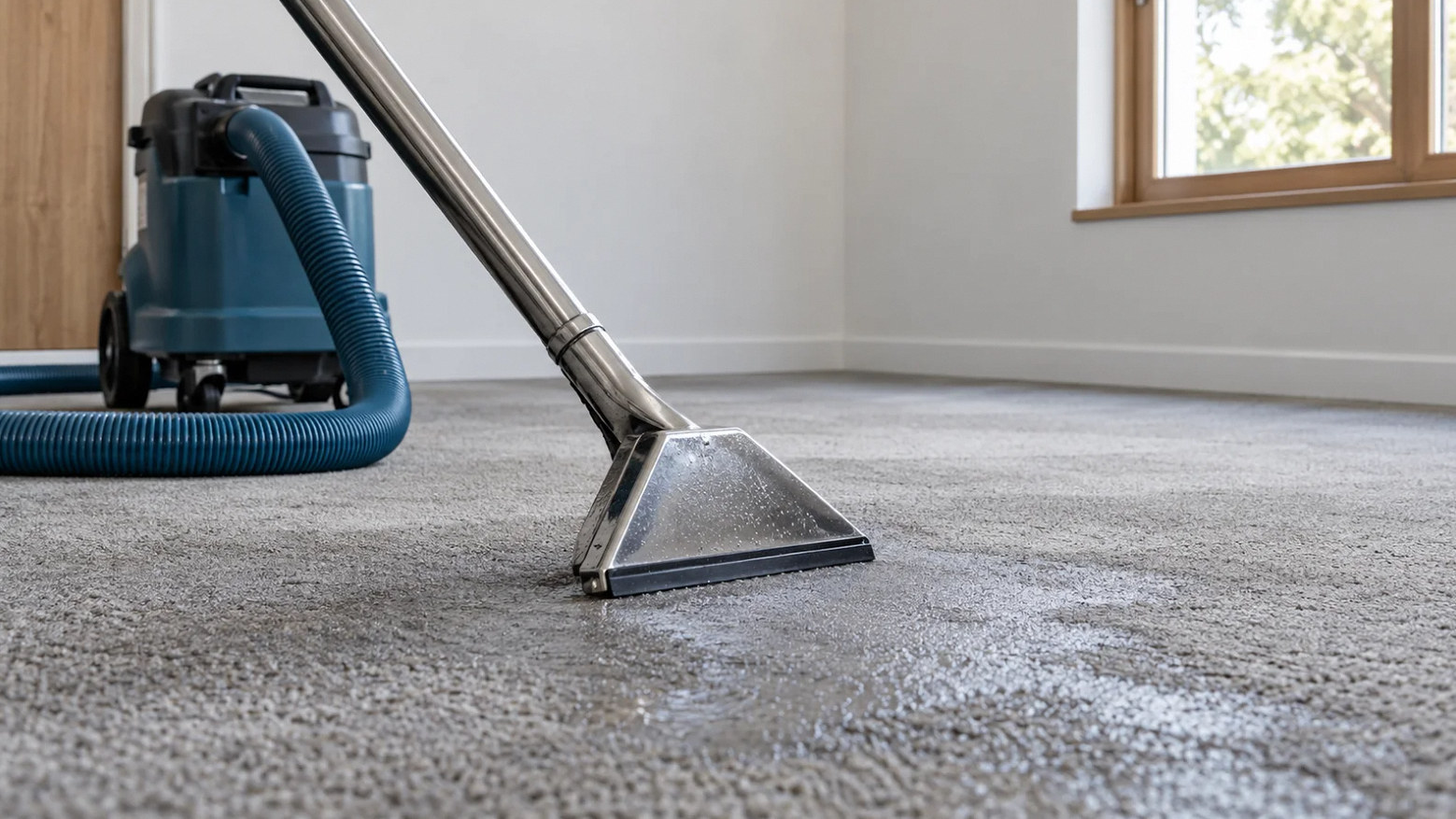
At a glance
Three things to keep in view.
Access
Establish electrical and contamination precautions.
Liquid
Identify what pumping and extraction will remove.
Remaining layers
Document the next drying and cleaning decisions.
The key point
Removing accessible liquid water reduces the load that later drying equipment must handle. A dry-looking surface after extraction does not show what remains in padding, a wall, or a subfloor.
“The water is gone” can mean the puddle has been pumped out, the carpet has been extracted, or the whole assembly has been dried and verified. These are different milestones. Ask which one a contractor is describing before arranging the next trade.
Establish safe access before equipment starts
CDC guidance puts electrical safety ahead of operating pumps or other equipment in a flooded home. EPA's water-damage table also distinguishes material-specific actions and limits its recommendations to clean-water damage. Unknown contamination changes the assessment before ordinary drying methods are selected.
Tell the responder about the water source, affected electrical equipment, and any restricted access. Do not enter water to reach a switch, retrieve a vacuum, or get a better photograph. The first useful decision is who can establish safe conditions for the work.
Separate pumping from extraction
Pumping addresses accumulated standing water. Extraction removes liquid from accessible surfaces or materials using equipment suited to the location. Later drying deals with moisture that remains after those steps. The appropriate tool depends on the material, available access, and conditions found on site.
Ask what is included in the initial visit. A pump-out may leave a separate cleaning and extraction task, while a carpet extraction visit may not include opening an affected wall. A written scope should make those boundaries clear enough for the next contractor to understand.
Ask what is beneath the visible layer
Carpet, padding, and the subfloor form a layered assembly. The surface may feel better while another layer remains unresolved. Built-in cabinets and floor coverings can similarly limit access. Ask which layers were evaluated and what evidence supports retaining them.
Contamination and physical damage also matter. Efficient extraction does not make an unsuitable material safe to keep, reverse delamination, or restore an electrical device. Keep the cleaning, salvage, drying, and repair decisions separate so that a successful first step does not obscure unfinished work.
Understand the transition to drying
Before extraction equipment leaves, ask how the crew will establish and track the remaining drying goals. The answer should identify affected materials and measurement points. A room sketch and initial readings help connect the equipment arrangement to the surfaces that need attention.
If additional water appears, document where and when it was found. The cause might be continuing entry, water draining from another layer, or an area missed initially. Request an assessment of that cause rather than assuming that more time with the same setup will resolve it.
Keep the invoice connected to the work
When a bill includes both extraction and dehumidification, ask what each service addressed. Record the affected areas and the timing of the transition. Distinct tasks can legitimately appear on the same invoice, but their purpose should be understandable.
Ask how removed water and affected materials will be handled under the requirements that apply to the site. Do not assume that a nearby street drain is an acceptable discharge point. A responsible work plan should identify the destination and any restrictions before removal begins.
Common questions
Will a rented dehumidifier remove standing water?
A dehumidifier removes moisture from air. It does not perform the same job as pumping or liquid extraction. The initial response must establish safe access, the water source, contamination concerns, and an appropriate sequence for the affected materials.
Sources and further reading
References checked 2026-10-03. Guidance depends on the loss, affected materials, scope of work and property conditions.
Discuss the next step for your property.
Share what happened, which areas are affected and the decisions you need help with.
Discuss water damage restorationRelated decisions
First decisions · 4 min read
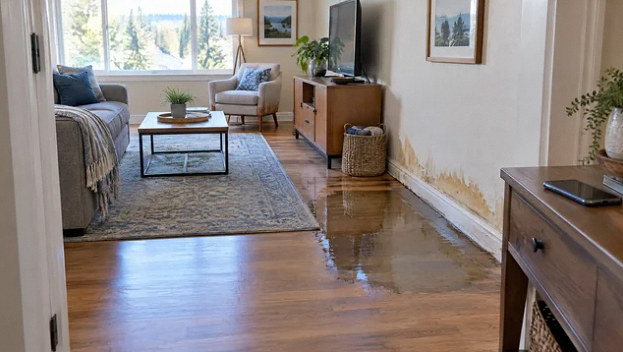
Water Damage: What to Do First and Who to Call
A practical starting point after a leak: safe access, stopping the source, choosing help, photos, and questions before drying begins.
Read the guide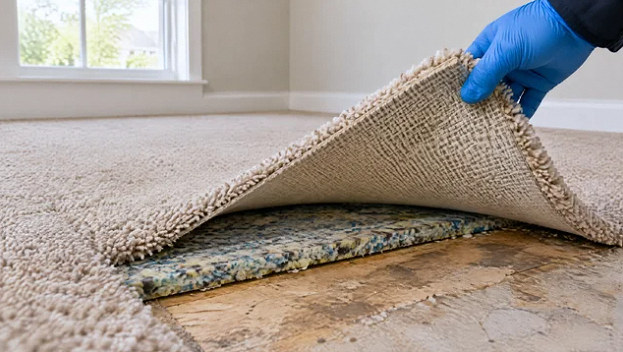
Materials and repairs · 5 min read
Wet Carpet and Padding: What Can Be Saved?
How to discuss carpet salvage after water damage, including the water source, padding, supporting floor, and repair expectations.
Read the guide