
First decisions · 4 min read
Water Damage Categories and Classes: What the Numbers Mean
Understand contamination categories, drying classes, and the evidence to request when a restoration scope changes.
YKCA · References checked 2026-10-03
Start with the essentials
At a glance
Three things to keep in view.
Category
What contamination is present or suspected?
Class
What must be dried, and how difficult is access?
Evidence
Which observations support a changed scope?
The key point
A water category describes contamination; a drying class describes the drying challenge. Ask for the observations behind both labels and how they change the work proposed for your property.
A proposal marked “Category 3, Class 2” contains two different assessments. Neither number, on its own, tells you the final price, how many days the job will take, or whether every material must be removed. Understanding the distinction helps you compare proposals and recognize when a contractor needs more information.
Separate contamination from drying difficulty
The course distinguishes three categories of water contamination from four drying classes. In everyday terms, Category 1 starts with a sanitary source, Category 2 involves significant contamination, and Category 3 involves gross contamination. These are assessment terms, not a reliable color chart. Clear-looking water can still require contaminated-water precautions.
IICRC's public S500 page identifies the current published edition as the fifth edition, 2021, and links its weather-event position statement. Its public summary is not the complete standard. A contractor citing a detailed classification rule should identify the applicable provision and the facts observed at your property.
Start with the water's route
Give the assessor a description of the source and every known surface the water crossed. A supply-line failure and sewage backup require very different questions. Discovery time, previous contamination, and inaccessible spaces also belong in the assessment. A photograph of the puddle cannot supply all that information.
Avoid converting uncertain history into certainty. Write “leak discovered Monday; start time unknown” if that is what you know. A category should not change automatically because a particular number of hours passed, nor should a clean source be treated as proof that all downstream materials remain sanitary.
Ask what the class changes
Drying class concerns affected materials and the amount or difficulty of evaporation. Classes 1 through 3 describe increasing evaporation load under the standard's definitions; Class 4 concerns significant moisture held in materials or assemblies that are difficult to dry. Classification is not simply the depth of the puddle.
Ask the contractor to connect the class to a room sketch, affected surfaces, and concealed layers. The useful result is an explanation of the drying arrangement and monitoring plan. A class label without a material list gives you little basis for comparing two equipment proposals.
Review a changed assessment
Opening a wall may reveal a different water route or condition from the initial inspection. A revised scope can be reasonable when the new information is documented. Request a dated explanation describing what was found, where it was found, and which work changes as a result.
Keep the earlier scope in the same file. This lets you distinguish a justified revision from a number that changed without explanation. Ask separately about material removal, cleaning, equipment, and repair; one classification change does not explain every line of a larger invoice.
Use classifications in a practical conversation
For each affected room, ask four questions: what is the source history, what materials are affected, what remains uninspected, and what decision follows from the classification? You do not need to reproduce an examiner's calculation to get an understandable answer.
If contractors disagree, first check whether they inspected the same areas and worked from the same facts. One may have seen beneath a floor that the other could not access. Resolve that evidence gap before treating the cheaper or more alarming label as the more accurate assessment.
Common questions
Is Class 4 the same as the most contaminated water?
No. Class and category answer different questions. A difficult-to-dry assembly can be affected by water from a sanitary source. Contaminated water can also involve a relatively small area. Ask how both assessments affect the plan.
Sources and further reading
References checked 2026-10-03. Guidance depends on the loss, affected materials, scope of work and property conditions.
Discuss the next step for your property.
Share what happened, which areas are affected and the decisions you need help with.
Discuss water damage restorationRelated decisions
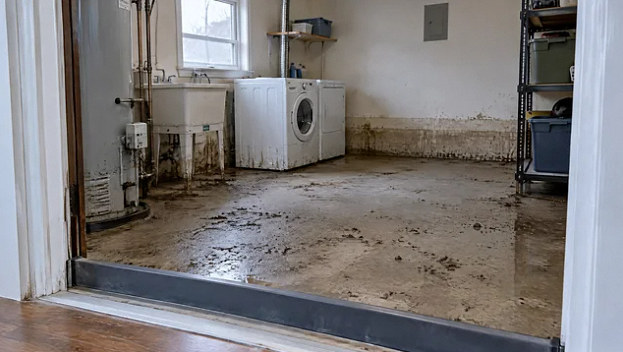
First decisions · 5 min read
Sewage and Floodwater: Questions Before Cleanup Begins
Understand why contaminated water changes cleanup decisions, what to ask about belongings, and how to document damage safely.
Read the guide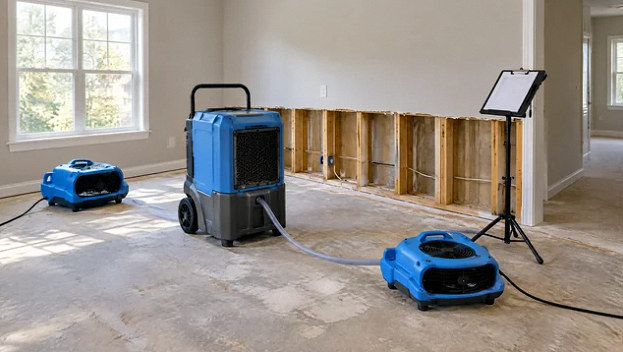
Drying and equipment · 5 min read
How Long Does Water Damage Drying Take?
Understand what controls drying time, what a useful progress report includes, and which questions to ask before equipment is removed.
Read the guide