
Emergency water extraction · 6 min read
Upstairs Washer Overflow: Plan Water Removal Across Both Floors
Connect upstairs water removal with electrical precautions, ceiling assessment, and a drying plan for the affected assemblies below.
YKCA · References checked 2026-10-03
Start with the essentials
Three decisions to document
At a glance
Three things to keep in view.
Control
Stop appliance use and identify hazards.
Connect
Map upstairs water to lower assemblies.
Assess
Coordinate access, drying, and repair milestones.
The key point
Control the washer source, keep clear of affected electrical and ceiling areas, and connect upstairs extraction with assessment below.
A washing-machine drain hose comes loose upstairs. The laundry-room puddle is removed quickly, but water has reached the hallway and a ceiling below. The owner sees only a few drips downstairs and wonders whether the response can stay upstairs. Plan around the water route, including safety and inaccessible assemblies, rather than the size of the original puddle.
Related service: Emergency water extraction questions and planning
Control the source without entering danger
Stop using the washer and arrange appropriate help for the supply or drain problem. If a control or shutoff cannot be reached safely, do not cross standing water or touch wet electrical equipment to operate it. Keep people away from the affected area while the immediate hazards are assessed.
Report whether water reached ceiling lights, outlets, or electrical equipment below. CDC warns against operating electrical devices while standing in water and recommends electrical assessment before restoring affected service. A stopped washing cycle does not establish that the electrical conditions throughout the water path are safe. Tell the responder about both floors at the first call.
Sources for this section
Describe the washer event accurately
Write what you know: supply hose, drain hose, overflow during a cycle, discovery time, and whether water was still entering when found. If the source is unconfirmed, say so. Water from a supply connection and used wash water should not automatically receive the same assessment simply because both originated near the washer.
The motivating Reddit post described a washer that moved enough to disturb its drain connection, with a ceiling below affected. That is a specific observation worth reporting, not evidence that your machine failed the same way. Avoid restarting the appliance to reproduce the problem until the appropriate professional has decided how to investigate it safely.
Map the route from room to room
Sketch the laundry area, adjoining hallway, wall penetrations, and the room below. Record where water first appeared and where it was later found. If an appliance pan or floor drain exists, describe it without assuming it contained the event or is connected correctly. A photograph of the laundry floor alone leaves the lower assembly out of view.
Ask the assessor to connect the upper floor observations with the lower ceiling and wall conditions. Water may take a concealed route before appearing somewhere unexpected. The purpose of the map is to guide assessment, not to prove every surface along a straight vertical line is damaged or that other areas are unaffected.
Keep clear of suspect ceilings
Do not stand under sagging, bulging, or visibly unstable ceiling material, and do not puncture it yourself to release water. Keep occupants away and ask the responding professional to determine the safe inspection and removal approach. Opening overhead assemblies also requires attention to concealed services and material hazards.
A wood-board ceiling can conceal a different assembly from ordinary drywall, so ask who understands its construction and how access can be gained. The desire to save a decorative surface is reasonable, but it cannot override safe assessment. A remote article cannot determine whether the ceiling is stable, whether it contains standing water, or which opening method is appropriate.
Define what upstairs extraction can accomplish
Removal from the laundry floor and hallway can reduce accessible liquid there, but it does not retrieve everything already within the floor-ceiling assembly. Ask the provider to describe the limits of the initial method and the next observation needed below. Keep the extraction boundary and the inspection boundary visible as separate items.
If carpet or a floating floor is affected upstairs, identify the layers and access constraints. If water passed beneath a washer or cabinet, ask whether that area was evaluated. Do not assume an appliance was inspected merely because water was removed around it. The work record should identify the rooms and surfaces actually addressed during the visit.
Coordinate access with drying and repair
Ask whether the ceiling, floor, wall edge, or another location provides the necessary access for assessment and drying. The least disruptive opening is not always the most effective one, and the largest opening is not automatically justified. Request the construction and moisture observations behind the recommendation.
EPA's flooded-home guidance emphasizes drying before replacement of walls and floors. Ask how that readiness will be established for retained layers in this particular assembly. Record any inaccessible area and the plan to address it. Drying equipment running in the downstairs room does not, by itself, demonstrate that airflow reaches a cavity above a closed ceiling.
Sources for this section
Create one connected record for both levels
Use consistent room names and reference points in photographs, moisture observations, removal records, and the proposed repair scope. If different people inspect upstairs and downstairs, ask that their findings be connected in the same summary. Otherwise, a small visible downstairs stain can be discussed separately from the event that created it.
Keep source-repair documentation with the restoration file and identify any appliance work that remains. If another wet area appears later, add its discovery date rather than silently expanding the original boundary. Accurate timing helps the professional consider continued leakage, migration, and previously concealed moisture without assigning a cause based solely on the latest photograph.
Ask what must be true before normal use resumes
Before using the washer again, obtain appropriate confirmation of the source repair and any required electrical or installation evaluation. Before closing the affected assembly, ask for the relevant drying and inspection records. These are different milestones and may involve different professionals.
For the illustrative overflow, the practical plan is source control, safe upstairs liquid removal, assessment of the ceiling route, access where justified, and monitored drying before repair. Ask who owns each step and when the next update is expected. A small amount of visible water downstairs should not be used either to dismiss the whole event or to justify a broad scope without evidence.
Common questions
If I removed the upstairs puddle, is the ceiling below resolved?
No. Water already inside the floor-ceiling assembly needs assessment. Describe the route, visible conditions, electrical exposure, and access limitations to the responding professionals.
Should I poke a hole in a water-filled ceiling?
Do not puncture a suspect ceiling yourself or stand beneath unstable material. Keep people clear and arrange a qualified assessment of safe access, concealed services, and necessary removal.
Sources and further reading
References checked 2026-10-03. Guidance depends on the loss, affected materials, scope of work and property conditions.
The homeowner question behind this guide
These public discussions informed the questions addressed here. Personal experiences and comments are not technical findings or proof of insurance coverage.
Discuss the next step for your property.
Share what happened, which areas are affected and the decisions you need help with.
Discuss emergency water extractionRelated decisions
First decisions · 4 min read
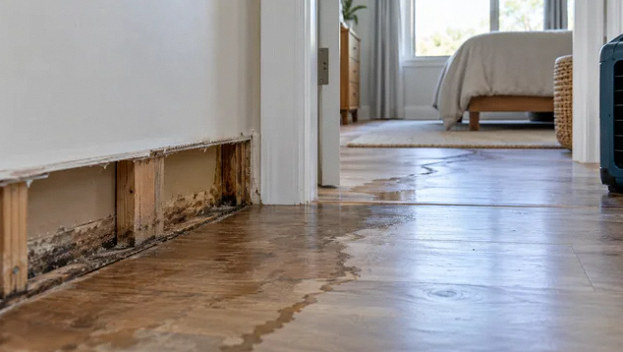
How Water Travels Beyond the Visible Leak
Learn why walls, nearby rooms, and belongings can need assessment even when they never sat in a puddle.
Read the guide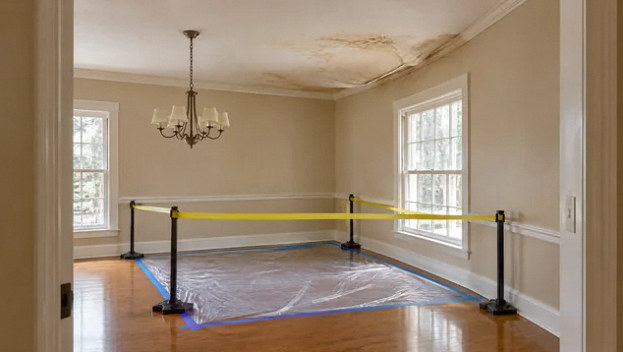
Materials and repairs · 5 min read
Wet Drywall and Ceilings: Dry, Open, or Replace?
Questions that help explain a drywall decision after a leak, including condition, concealed layers, access, and readiness for repairs.
Read the guide