
Emergency water extraction · 6 min read
The Sump Pump Stopped During an Outage: What to Plan Before Water Removal
Plan safe access, electrical assessment, ongoing inflow control, and water removal when a sump pump stops during an outage.
YKCA · References checked 2026-10-03
Start with the essentials
Three decisions to document
At a glance
Three things to keep in view.
Isolate
Establish safe access and electrical conditions.
Remove
Assess inflow, pumping, and discharge.
Follow
Inspect and dry after the level drops.
The key point
An outage does not make wet electrical equipment safe; establish access, power, inflow control, and an appropriate removal plan before pumping.
Heavy rain continues after the power fails, and a homeowner worries that the sump will overflow into a lower room. Once water appears, plugging a borrowed pump into an improvised power source may seem like the fastest answer. The safer plan separates electrical conditions, ongoing inflow, suitable pumping, and the work needed after the level drops.
Related service: Emergency water extraction questions and planning
Keep people out of standing water
Do not walk through water to reach the sump, breaker, extension cord, or another control. The power may return unexpectedly, and water may contact equipment outside your view. Keep children and pets away and report immediate danger through the appropriate emergency or utility contact.
CDC says not to operate electrical tools or switches while standing in water. If power isolation requires entering the water, ask an electrician or appropriate responder to handle it. A utility outage and an intentionally isolated, assessed electrical system are different conditions. Do not assume a dark room is safe merely because ordinary lights have stopped working.
Sources for this section
Describe inflow and system status from a safe location
Report the outage start, rainfall conditions, visible water changes, sump alarm status, and any known backup equipment. If you cannot inspect the pit safely, say that. Do not remove covers or reach into water to diagnose a switch while conditions remain uncertain.
Ask the responder to distinguish loss of power from a blocked discharge, mechanical fault, or another source of water. A sump not running during an outage may be expected, but restoring electricity alone may not solve a separate failure. Keep your observations factual. The Bay Area Reddit discussion illustrates concern about backup arrangements, not a technical diagnosis or an approved design for your home.
Do not improvise generator connections
If portable power is proposed, arrange a suitable setup with qualified help and follow the equipment instructions. Never run a fuel-powered generator or pump inside a house, garage, basement, or partially enclosed space. CDC advises keeping such engines at least 20 feet from doors, windows, and vents to reduce carbon-monoxide risk.
Do not connect a generator to household wiring through a makeshift cord or unapproved arrangement. Equipment starting demand, weather protection, electrical isolation, and the connection method need proper consideration. This article is not a generator-sizing or wiring guide. A fast improvised connection can create a serious hazard for occupants and people working on the electrical system.
Sources for this section
Ask whether the pumping sequence needs special assessment
The depth of water, condition of the building, outside water level, and ongoing inflow can affect the removal plan. Ask a qualified responder whether the space can be pumped normally or whether structural conditions require additional guidance. Do not treat a general article as authorization to empty a deeply flooded basement as quickly as possible.
Tell the provider about unusual wall movement, cracking, instability, or other concerns from a safe location. Keep away from suspected structural hazards. The plan should identify where water will be discharged and how re-entry or harm to neighboring areas will be prevented. Avoid creating an uncontrolled discharge route simply because it is close to the pump.
Recognize that extraction may need continuing source control
Ask whether water is still entering faster than it can be managed and what happens if the outage continues. A one-time removal visit can leave the room vulnerable when the source persists. Identify who is monitoring conditions and what observation triggers another response.
If a backup system already exists, have its actual capability and condition assessed rather than relying on a label or another homeowner's reported runtime. Future backup design is a separate project involving the property and equipment. During the event, focus on safe removal, reliable communication, and an understood contingency if the primary system cannot remain in operation.
Plan for contamination and affected materials
Outside water or a backed-up drainage system can carry contaminants. Describe the source history and affected surfaces to the restoration provider. Do not assume clear water is sanitary, and do not use a household cleaning routine for uncertain floodwater exposure. Ask which materials need assessment, cleaning, or removal after liquid recovery.
The falling water level exposes damage; it does not erase it. Photograph accessible affected items safely and keep an inventory where practical. Ask how contaminated waste and recovered water will be handled. The appropriate approach depends on the actual conditions, and an online guide cannot classify your water or decide that a particular porous item is safe to retain.
Start a separate drying assessment after removal
Once standing water is addressed and access is safe, ask which walls, flooring layers, contents, and cavities remain affected. EPA emphasizes drying before rebuilding. Request a monitoring plan and a record of inaccessible locations rather than equating an empty floor with a dry structure.
Keep equipment and work areas managed under the agreed safety plan. If utility power returns, do not automatically restart affected equipment or HVAC. Ask the relevant professionals about evaluation and safe operation. Water removal, electrical return to service, material cleaning, and construction readiness are different decisions even when the same emergency caused all of them.
Sources for this section
Review prevention after the emergency is controlled
Collect the event timeline, pump and backup information, service findings, and any observed discharge problem. Ask a qualified plumbing or drainage professional to explain why the system failed to manage this event and what options are appropriate for the property. Ask an electrical professional about any related power arrangement.
For the illustrative outage, the eventual improvement may concern maintenance, alarm notification, backup capacity, discharge, or another issue. No single product is automatically the answer. Keep that design discussion separate from an urgent water-removal authorization so you can evaluate it calmly after the immediate hazards and remaining wet materials have a documented response.
Keep backup testing and maintenance instructions with the equipment record. Assign a reminder and a responsible person after the selected system is installed, rather than assuming that an unused backup will remain ready indefinitely.
Common questions
Is it safe to enter a wet basement because neighborhood power is out?
Do not assume so. Stay out of standing water and arrange appropriate electrical and access assessment; power can return and concealed equipment may be affected.
Sources for this section
Will pumping the room empty finish the restoration?
No. Continued inflow, contamination, wet assemblies, equipment safety, and drying may still need attention. Ask what follows removal and who monitors the space if the source continues.
Sources and further reading
References checked 2026-10-03. Guidance depends on the loss, affected materials, scope of work and property conditions.
The homeowner question behind this guide
These public discussions informed the questions addressed here. Personal experiences and comments are not technical findings or proof of insurance coverage.
Discuss the next step for your property.
Share what happened, which areas are affected and the decisions you need help with.
Discuss emergency water extractionRelated decisions
Materials and repairs · 3 min read
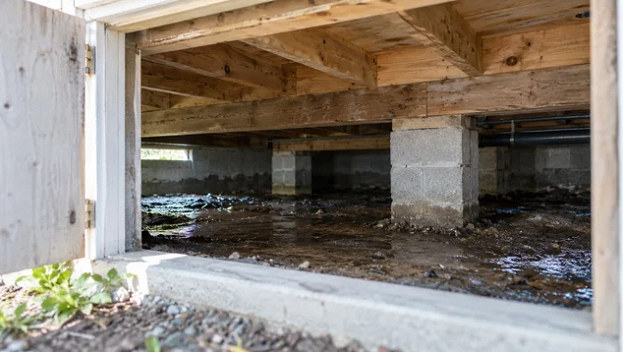
Water in Crawlspaces and Basements: Beyond Pumping It Out
Plan assessment of standing water, access, drainage, insulation, and framing beneath the occupied part of a building.
Read the guide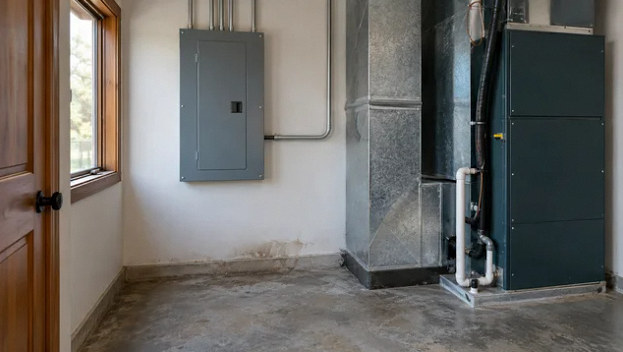
Materials and repairs · 3 min read
Wet HVAC and Electrical Equipment: Who Needs to Inspect It?
Separate building drying from the assessment of heating, cooling, wiring devices, and equipment exposed to water.
Read the guide