
Fire, smoke & soot damage · 5 min read
Smoke From a Neighbor’s Fire: Defining Your Condo Cleanup Scope
Document soot in a unit that did not burn and separate shared-building work, contents decisions and your own cleanup scope.
YKCA · References checked 2026-10-03
Start with the essentials
Decisions before approving work
At a glance
Three things to keep in view.
Map your unit
Record observations independently of the damage in the neighboring unit.
Separate assignments
Distinguish contents, private equipment and shared-building work.
Coordinate return
Check the unit and remaining common work before closing the scope.
The key point
Record observations independently of the damage in the neighboring unit.
Your unit did not burn, yet smoke entered through a hallway, open door or another building pathway. One company proposes moving every possession out; another suggests a surface clean. The right next step is a documented inspection that distinguishes your unit, your belongings and shared building systems. This guide organizes that conversation without assuming how the fire spread, who is legally responsible or what any insurance policy will pay.
Related service: Fire, smoke & soot damage questions and planning
Establish the building's access instructions
A unit without visible flame damage can still be inside a building with restricted access. Obtain current instructions from the responding authority and building management. Ask about permitted entry, utilities, elevators and routes through common areas. Keep these practical conditions separate from a cleaner's opinion that the furniture looks salvageable.
Make a contact list with the manager, association representative, your adjuster if applicable and the person controlling restoration access. Identify one place for written updates. When instructions change, note the date and source. This prevents an older message about access to one floor from being mistaken for clearance of your unit or the building as a whole.
Document your unit independently
Create a room map showing observed deposits, odor complaints and items moved during emergency response. Photograph the entry, return grilles, shelves, window areas and belongings where residue is visible. Do not disturb restricted areas or remove equipment covers to search for contamination. Note where an observation was impossible because access was limited.
Document apparently unaffected rooms too. A comparison can be useful when a contractor proposes a whole-unit scope. Keep descriptions factual: visible gray deposit on a shelf is an observation; a claim that every wall cavity is contaminated is a conclusion needing evidence. The purpose of the record is to support investigation and protect against assumptions in either direction.
Ask how far each finding applies
A deposit in the entry does not automatically establish the same condition in a closed bedroom. Conversely, a bedroom that looks clean does not prove all hidden surfaces are unaffected. Ask the assessor to explain the extent of the inspection, the relevant pathways and where uncertainty remains. Record areas that need follow-up rather than silently treating them as clean or damaged.
If sampling is proposed, ask which decision it would change and who interprets the result. A test needs a defined question, not simply an alarming name on a proposal. The assessment may require a building professional with a different specialty from the cleaning crew. A remote photo review cannot establish the full cleanup boundary for a multifamily building.
Treat shared equipment as a separate assignment
Find out whether your heating and cooling equipment serves only your unit or involves shared components. Ask management for available system information and have an appropriate technician inspect any affected equipment. Do not assume that a grille proves a direct air connection to the burned unit. System design and the actual event matter.
For any duct-cleaning proposal, request identified contamination and a description of the components included. EPA recommends as-needed decisions rather than routine duct cleaning. Ask who may authorize work on shared equipment and how that work will be coordinated with cleaning inside your unit. Otherwise, two contractors may make incompatible assumptions about where their responsibility ends.
Review pack-out as a specific service
A full pack-out may create access for cleaning, but it should have a stated reason. Ask which rooms require emptying, whether selected items can be moved within the unit and how clean and unreviewed property will be separated. Ask for the expected storage period and what happens if building repairs delay return.
Compare packing, transport, storage, specialty cleaning and delivery as separate lines. A low cleaning estimate can conceal a large storage commitment. The practical question is not whether pack-out is inherently good or bad; it is what it enables in your situation and whether the proposed extent is justified. Require an inventory and a return process before belongings leave.
Coordinate coverage without inventing responsibility
Different policies, association documents and ownership arrangements can affect who handles which expense. Ask each relevant party for its position in writing. Avoid letting the cleaner assign legal responsibility based on a general rule about condos. Keep the physical scope clear while the responsible parties resolve payment questions.
Use the same room map and item list in those conversations. If someone authorizes entry cleaning but not contents storage, record that distinction. Keep receipts and the chronology of protective actions. Seek qualified insurance or legal assistance for an actual coverage dispute. This article cannot determine whether a neighbor, association, landlord or insurer owes a particular charge.
Approve a coordinated closeout
Arrange the final review around both your unit's work and outstanding building work that could affect it. Record whether common-area cleaning, equipment inspection or access restoration remains unfinished. A contractor can complete its assigned task while the broader recovery is still underway. The closeout should state that limitation plainly.
Inspect returned belongings against the inventory and keep any unresolved issue open by item or location. Confirm which company receives a callback if an odor persists during system operation or after contents return. A well-defined handoff avoids starting from scratch with every new person. It also gives you a realistic account of what was checked, what was cleaned and what remains unverified.
Common questions
Does smoke from another condo require a full pack-out?
Not automatically. Ask the assessor to identify affected rooms and items, explain why they must move and show how packing, cleaning and storage support the scope. Shared-building conditions may also affect timing.
Who pays for cleanup when my unit did not burn?
That depends on the facts, policies and ownership documents. Obtain written coverage positions from the relevant parties; the restoration contractor should describe the physical work without promising payment.
Sources and further reading
References checked 2026-10-03. Guidance depends on the loss, affected materials, scope of work and property conditions.
The homeowner question behind this guide
These public discussions informed the questions addressed here. Personal experiences and comments are not technical findings or proof of insurance coverage.
Discuss the next step for your property.
Share what happened, which areas are affected and the decisions you need help with.
Discuss fire, smoke & soot damageRelated decisions

Materials and repairs · 3 min read
Furniture and Belongings After Water Damage: A Salvage Plan
Organize assessment, cleaning, storage, and replacement decisions for furniture and personal belongings after a leak.
Read the guide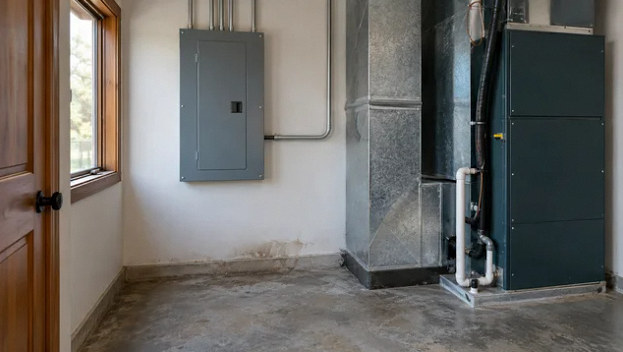
Materials and repairs · 3 min read
Wet HVAC and Electrical Equipment: Who Needs to Inspect It?
Separate building drying from the assessment of heating, cooling, wiring devices, and equipment exposed to water.
Read the guide